
 Ha Giang
Ma Pi Leng Pass: Panorama, Skywalk and How to Visit
Ma Pi Leng Pass in Ha Giang: panorama viewpoints, the Ha Giang Skywalk, the Nho Que River view, how to get there, road safety and when to go.
The Nho Que River in Ha Giang flows from China through Dong Van and Meo Vac, cutting through Tu San Canyon below Ma Pi Leng Pass. A shared boat ticket costs 150,000 VND for passengers taller than 1.2 meters, and the ride lasts about 60 to 80 minutes. The boat trip is a common stop on a Ha Giang Loop tour.
With the parking area, shuttle and boarding queue, the visit takes about 2 to 3 hours in total. On the Ha Giang Loop map, the river is located between Dong Van and Meo Vac, so most travelers visit it on the same day as the pass. Boats can stop after heavy rain, which makes a backup plan useful.
| Detail | Planning information |
|---|---|
| Location | Below Ma Pi Leng Pass, between Dong Van and Meo Vac |
| Main attraction | Tu San Canyon, inside the Dong Van Karst Plateau UNESCO Global Geopark |
| Boat fare (from April 13, 2026) | 150,000 VND over 1.2 m; 80,000 VND at or below 1.2 m |
| Time on the water | About 60 to 80 minutes |
| Total visit time | About 2 to 3 hours with shuttle and boarding |
| Access | Parking area near Trang Huong Bridge, then a shuttle to the dock |
| Best months | October to April, with drier weather |
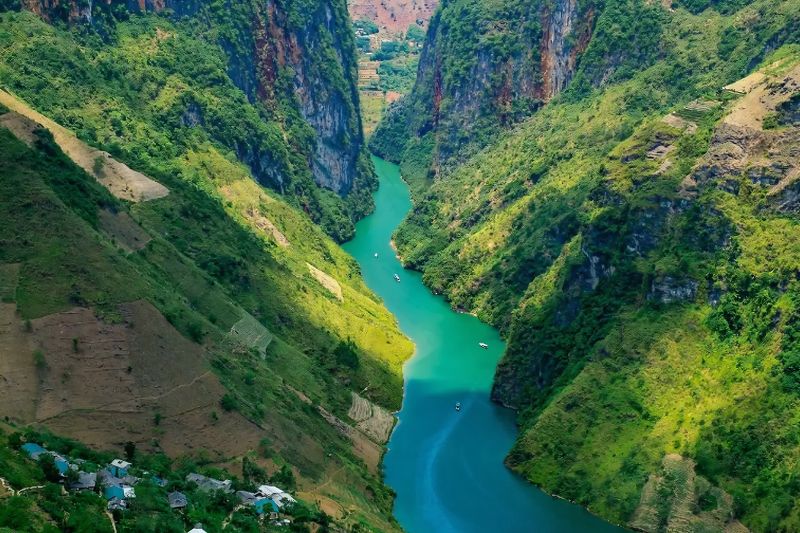
The Nho Que River begins in Yunnan, China, enters Vietnam near Lung Cu and runs through the Dong Van and Meo Vac area before joining the Gam River in Cao Bang. The section below Ma Pi Leng is the stretch seen in most photos of the green river. This sightseeing area is part of the Nho Que 1 hydropower reservoir, so both weather and reservoir operations affect boat trips.
The water is usually green in the dry season. Sunlight and recent rain change the shade, and floodwater after storms can turn the river brown. The color on the day of a visit can therefore differ from dry-season photos, even when the road is open and the sky is clear.
Since July 1, 2025, the former Ha Giang Province has been part of the merged Tuyen Quang Province. Ha Giang remains the common travel name for the region. Bookings and official notices may use either name for the same destination.
Tu San Canyon is the narrow section below Ma Pi Leng, where limestone walls rise hundreds of meters above the river. UNESCO describes the canyon as about 700 to 800 meters deep. This figure measures the canyon from the cliff tops, not the water depth below the boat. From the pass, the river looks like a thin green line; from the boat, the rock walls fill most of the view.
The boat trip suits travelers who want a close view of the canyon without a mountain hike. Reaching the dock still involves a shuttle ride and steps down to the boat. Travelers with limited mobility can ask about the steps and boarding help before the visit.
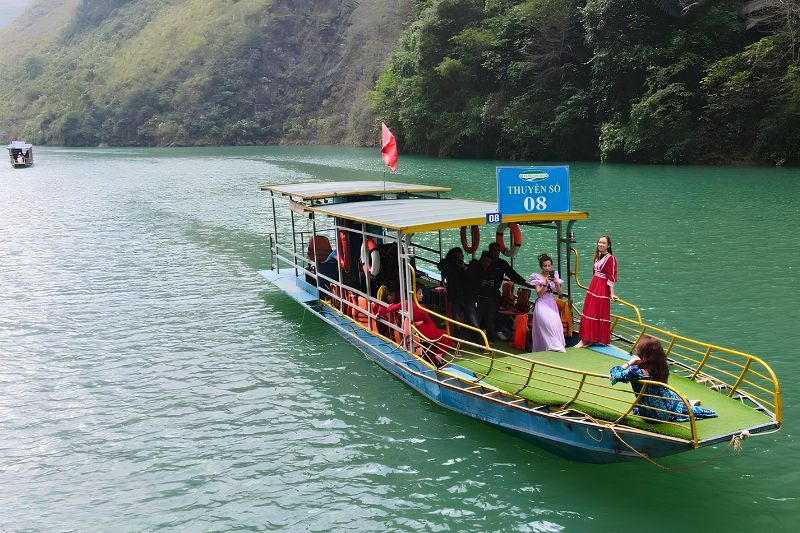
A Nho Que River boat trip starts at the parking area, where visitors buy tickets and take a shuttle to the dock. Vietnam's tourism authority describes 60 to 80 minutes on the water, while some recent visits have run longer. The full visit, including the shuttle and boarding queue, usually takes 2 to 3 hours.
Nho Que 1 Hydropower JSC set the current fares on April 13, 2026. The price depends on height, not age, and includes the return shuttle, passenger insurance and VAT.
| Passenger height | Fare per person |
|---|---|
| Over 1.2 meters | 150,000 VND |
| 1.2 meters or below | 80,000 VND |
Parking, meals and private services are paid separately. Ticket-office hours in older travel listings may not match the last boat departure, so the guide or homestay is the best source for the first and last boat times on the day. Groups interested in a private boat can request a quote for the group size, route and duration.
After collecting tickets and taking the shuttle, passengers wait for boarding and receive safety instructions. The route heads into Tu San Canyon, bringing the boat between the rock walls. Photo stops depend on the crew and conditions. Shared boats follow the operator's schedule, and Loop guides can help explain the crew's instructions. Life jackets stay fastened for the whole ride, including photo stops.
Tu San Agricultural and Tourism Service Cooperative runs the sightseeing boats on the hydropower reservoir. Services have stopped before: for five days in September 2023, and again from September 30, 2025, after Storm Bualoi caused flooding and landslides. Boat trips were running again by January 2026, but closures after heavy rain remain possible.
In July 2026, Tuyen Quang Province called for stronger checks on tourist boats, docks, life jackets and weather warnings. Before boarding, check that your life jacket fits and is fastened. Follow crew instructions, avoid crowding one side of the boat for photos and accept a cancellation when the service is suspended.
From National Highway 4C, a side road toward Xin Cai leads about 5 kilometers to the parking area near Trang Huong Bridge. The ticket includes the shuttle between the parking area and the dock, so the parking area is the correct arrival point. Older maps may also show boarding points at Ta Lang or Xin Cai, and the guide or homestay can share the current parking pin.
The access road has steep bends and wet surfaces, which makes the descent harder than the main Loop road. Travelers without mountain riding experience can hire a local driver. Those planning to ride themselves can compare the options for Ha Giang motorcycle rental before taking the access road.
Foreign travelers on the wider border route also need to check the rules for a Ha Giang Loop permit. The boat ticket and the travel paperwork are separate matters. Allow time to return to the main road before continuing to the next overnight stop.
The viewpoints on Ma Pi Leng Pass show the whole river curve, while the boat brings the canyon walls close. Both fit into one visit with enough time and clear weather. When the schedule is tight, the road view avoids the shuttle and boarding queue and still shows the canyon from above.
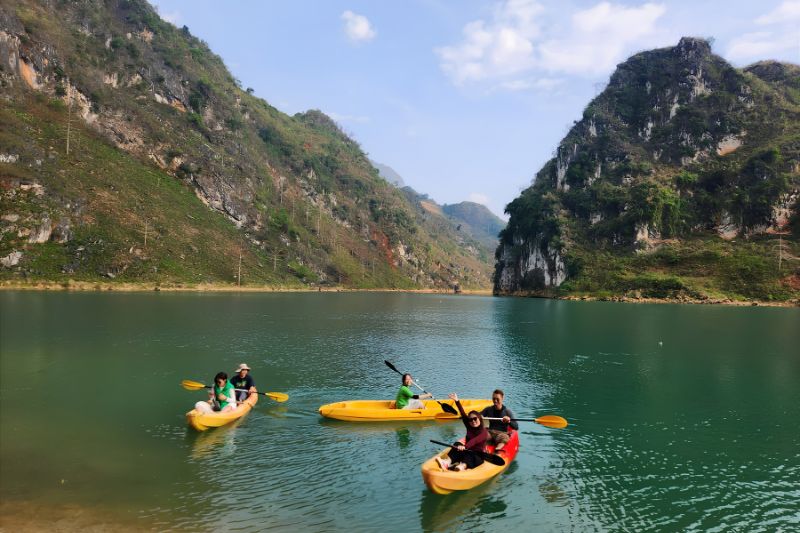
Kayaking and stand-up paddleboarding appear in some travel listings for the river, but they run separately from the shared boat service and are not always available. Hmong villages near the river route offer a different experience from the canyon cruise. Both are booked as separate activities, with the host, safety support and timing agreed before the day.
October to April usually brings drier weather for a river stop. Cooler days make the shuttle and walking more comfortable, although winter fog can hide the view from the pass. November also matches the buckwheat flower season. Month by month, Ha Giang weather follows the same pattern, with the heaviest rain in summer.
Summer rain can change the water color, and heavy rain can close both the boats and the access road. The September 2025 closure showed that a dry morning alone does not mean the river is safe for boats. Recent rain upstream and local operating advice matter too.
Crowds also affect the visit. On January 2 and 3, 2026, during the New Year holiday, the dock received more than 5,000 visitors per day, with long boarding queues. That was a holiday peak, not a normal day. Weekdays outside public holidays are usually quieter.
The shuttle and waiting time take longer than the boat ride itself. A few small choices make the stop easier to fit into a day on the Loop.
The Ha Giang Loop packing list covers the wider trip. For the river visit, a small day bag keeps essentials close during the shuttle and boarding.
Beka Travel arranges Ha Giang Loop trips with local partners. The river visit is part of the Ma Pi Leng section of the route. The river day and whether the boat ticket is included vary by package.
| Loop option | Starting price per person |
|---|---|
| 2 days | From $135 |
| 3 days | From $175 |
| 4 days | From $205 |
These starting prices were shown on the Beka Ha Giang tour page on October 9, 2026, and some departure dates cost more. Each booking confirms the package, room type, bus nights and boat ticket. A Ha Giang easy rider tour pairs the road journey with a local driver, which suits travelers who prefer not to ride the steep access road.
Travelers choosing a 3 day Ha Giang loop tour can ask Beka which day includes the river and what replaces the boat if services stop. The same check applies to the shorter and longer options. This keeps the canyon visit part of a workable mountain itinerary.
The fare in effect since April 13, 2026 is 150,000 VND per person for passengers taller than 1.2 meters and 80,000 VND for those 1.2 meters or shorter. The price includes the return shuttle, passenger insurance and VAT. Parking and meals are paid separately.
The boat ride lasts about 60 to 80 minutes, and some services run longer. With the shuttle and boarding queue, the full visit takes about 2 to 3 hours. During public holidays, waiting times can be much longer.
Yes, when the boats are running and passengers follow the rules. Every passenger wears a life jacket for the whole ride, and trips are cancelled after heavy rain or flooding. Avoid crowding one side of the boat for photos, and accept closures even when the water looks calm.
No. Swimming is not part of the sightseeing trip, and passengers stay on board for the whole ride. The river here is a hydropower reservoir with boat traffic and changing water levels. Kayaking or paddleboarding needs a separate booking with its own safety arrangements.
The Lo River flows through the former Ha Giang city area, where it meets the Mien River. Travelers searching for a Ha Giang river may mean this town river. The Nho Que River and Tu San Canyon are in the far north-east of the region, near Ma Pi Leng Pass.
Yes, for travelers who want a close view of the canyon walls from the water. The visit takes 2 to 3 hours, so it fits best on a day with time to spare. When time or weather is limited, the Ma Pi Leng viewpoint shows the canyon from above without the boat queue.
Ha Giang
Ma Pi Leng Pass in Ha Giang: panorama viewpoints, the Ha Giang Skywalk, the Nho Que River view, how to get there, road safety and when to go.
 Ha Giang
Ha Giang loop packing list: what to pack, how to pack, riding gear, rain protection, documents and what to do with luggage.
 Ha Giang
Compare the Ha Giang loop and the Cao Bang loop by scenery, main stops, road difficulty, crowds and best season, with transport between the two and suggested routes for 2 to 8 days.
 Ha Giang
Plan your Ha Giang to Ninh Binh trip with bus options, travel time, distance, Hanoi connections, private car prices and practical tips.
 Ha Giang
Compare travel time and price for the bus, motorbike and private car routes from Ha Giang to Sapa, plus the exact distance and FAQs on the Ha Giang loop.
 Ha Giang
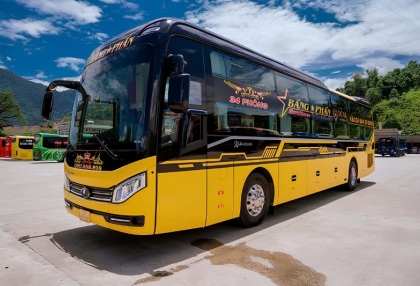
Hanoi to Ha Giang is about 300 to 320 km and takes 5 to 8 hours by road. The overnight sleeper bus costs about 250,000 to 300,000 VND and arrives before dawn.
 Ha Giang
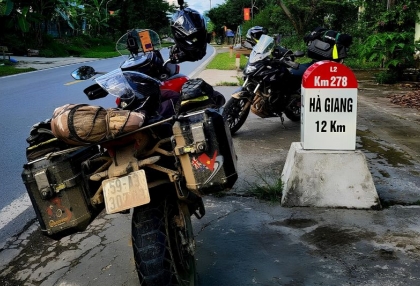
Ha Giang motorcycle rental guide: which bike to choose, daily prices, license and IDP rules, pre-ride checks and safety tips for riding the loop yourself.
 Ha Giang
Ha Giang loop permit 2026: official 10 USD fee, where to apply, who needs it, plus road safety, flood risks and travel insurance for the Ha Giang loop.
 Ha Giang
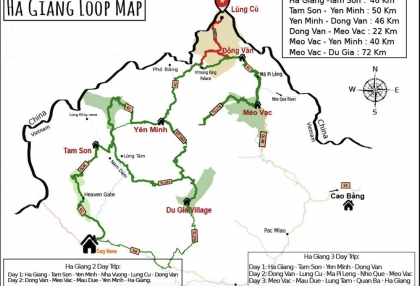
Discover the best Ha Giang attractions along the Loop, from Quan Ba and Yen Minh to Dong Van, Ma Pi Leng, Nho Que River and Du Gia.