



 Ha Giang
Ha Giang Food: Local Dishes, Sunday Markets and Prices
Ha Giang food from egg rice rolls to thang co, with market days, places to eat, vegetarian options, meal price references and food safety advice.
Ha Giang weather changes considerably throughout the year. The mountains are cool and often misty in winter, fresh and colorful in spring, hot and rainy in summer, and cooler and drier in autumn.
For most travelers, the best time to do Ha Giang Loop is March to April or September to November. Spring brings peach, plum and mustard flowers, while autumn is known for golden rice terraces and buckwheat flowers. June to August is the wettest period, while December to February can be cold and foggy at high elevations.
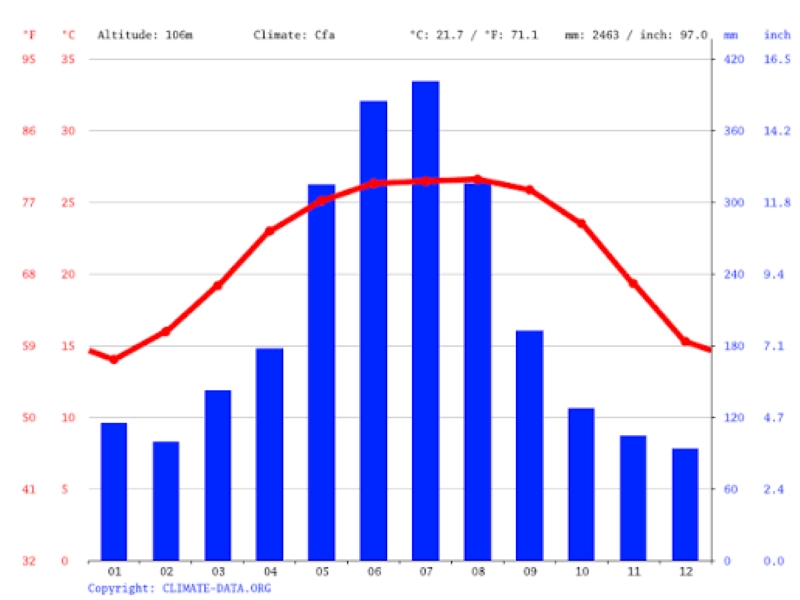
Because Ha Giang is mountainous, temperatures vary between Ha Giang City, valleys and high passes. The figures below are useful planning ranges rather than guaranteed daily temperatures.
The Ha Giang Loop weather follows four broad seasonal patterns:
| Season | Months | Average temperature range | Main characteristics |
|---|---|---|---|
| Winter | December to February | 5 to 18°C | Cold, dry, misty and quiet |
| Spring | March to April | 11 to 27°C | Mild, clearer skies and flowers |
| Early summer | May to June | 18 to 32°C | Warm, green and increasingly rainy |
| Rainy season | July to August | 20 to 33°C | Hot, humid and heavy rain |
| Autumn | September to November | 10 to 28°C | Cooler, drier and excellent visibility |
Recent climate data for the wider Loop shows average highs rising from about 16°C in January to around 28°C in May, with rainfall highest from June to August.
The weather Ha Giang experience also depends strongly on altitude. Dong Van and the mountain passes can feel much colder than lower valleys. Ma Pi Leng, for example, reaches roughly 1,500 to 1,700m in elevation, so travelers should expect cooler and more changeable conditions there.
Average temperature: about 5 to 16°C
Best for: quiet roads, cultural experiences and misty mountain scenery.
Ha Giang in January is cold, particularly in Dong Van, Meo Vac and on high mountain passes. Mornings can be foggy, while clear days may offer beautiful winter views.
The landscape has a quiet, dramatic appearance. Bare limestone mountains, stone houses and mist-covered valleys create a very different atmosphere from the colorful spring and autumn seasons.
January is also part of the traditional festival period. Hmong villages may hold Gau Tao celebrations, while Tay communities prepare for agricultural festivals such as Long Tong. Dates vary according to the lunar calendar.
Average temperature: about 8 to 19°C
Best for: spring flowers, ethnic culture and a quieter Loop.
Ha Giang weather in February begins to warm gradually, although mornings and nights remain cold. Fog and light drizzle are possible in the mountains.
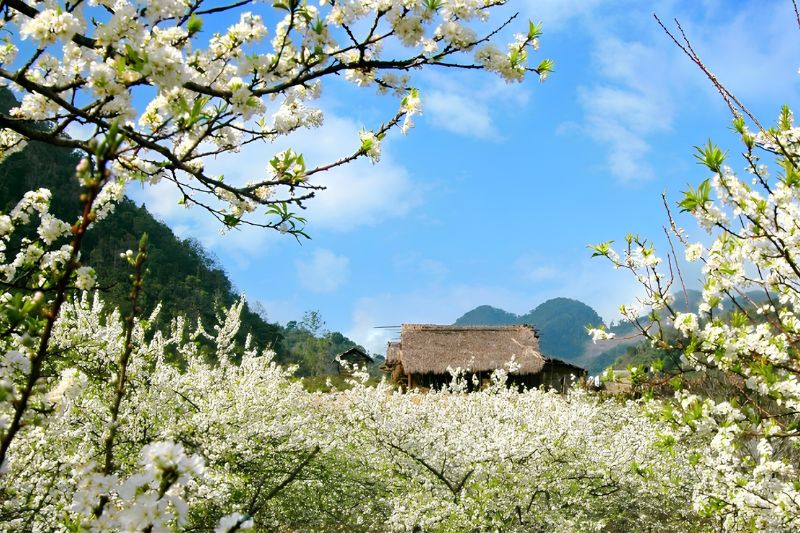
Peach and plum trees begin to bloom, adding pink and white colors to villages and valleys. This is also an important period for Tet, the Vietnamese Lunar New Year, as well as traditional Hmong and Tay festivals.
Travelers visiting around Tet should remember that some family-run businesses and local services may close for several days.
Average temperature: about 11 to 23°C
Best for: spring flowers, comfortable riding and cultural experiences.
Ha Giang weather March is one of the most comfortable periods for riding. Days are generally mild, rainfall is still relatively low and mountain views can be clear.
Peach, plum and other spring flowers brighten the valleys, while rice fields begin their new growing cycle. Yellow mustard flowers can also appear around villages and lower valleys.
March is an important month for local cultural events. The Gau Tao Festival and Long Tong Festival may take place around this period, while the famous Khau Vai Love Market approaches later in spring. Festival dates depend on the lunar calendar.
Average temperature: about 15 to 27°C
Best for: comfortable riding, green landscapes and the Khau Vai cultural season.
Ha Giang weather April is warm but generally comfortable for outdoor activities. Rainfall begins to increase, but many days remain suitable for riding.
The spring landscape is fresh and green, with flowering trees gradually giving way to young rice fields. Mountain passes such as Ma Pi Leng can have excellent visibility on clear days.
One of the region's most distinctive cultural events, the Khau Vai Love Market, takes place on the 27th day of the third lunar month in Meo Vac. The event brings together local ethnic communities for traditional music, food, games and social gatherings.
Average temperature: about 18 to 28°C
Best for: green landscapes, rice terraces and fewer travelers.
May marks the transition from spring into the warmer and wetter part of the year. Ha Giang weather becomes more humid, with occasional rain and increasingly warm afternoons.
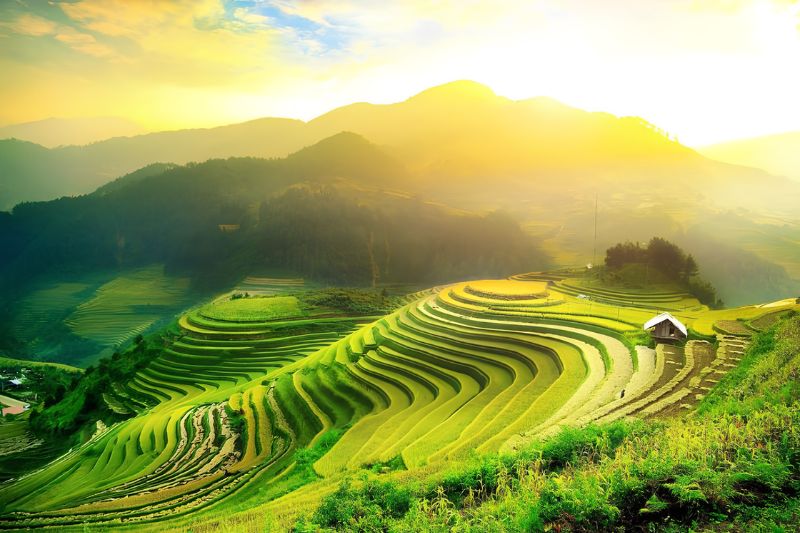
One of the most interesting seasonal sights is the transformation of rice terraces. Water fills many terraces before planting, creating reflective surfaces that can make the mountains look like natural mirrors.
The countryside becomes intensely green, particularly around valleys and farming communities.
Average temperature: about 20 to 28°C
Best for: lush landscapes, waterfalls and experienced riders who can adapt their itinerary.
June is warm, humid and increasingly wet. Afternoon thunderstorms are common, and rain can make mountain roads slippery.
The reward is exceptionally green scenery. Forests, rice terraces and valleys become lush, while waterfalls and streams have more water than during the dry season.
For a motorcycle Loop, flexibility is important because heavy rain can affect road conditions. Check the local forecast before setting out each morning.
Average temperature: about 21 to 28°C
Best for: lush scenery and travelers comfortable with wet-season conditions.
Ha Giang in July is hot, humid and frequently rainy. Heavy downpours can reduce visibility and make mountain roads slippery.
The scenery is intensely green, but rain is the main factor to consider. Landslides and temporary road problems are more likely during periods of heavy rainfall, particularly on remote mountain roads.
There are fewer international travelers at this time, which can mean quieter homestays and viewpoints.
Average temperature: about 20 to 27°C
Best for: dramatic green scenery and travelers who prioritize landscapes over predictable weather.
Ha Giang in August remains hot, humid and wet. It is one of the rainiest periods of the year, so weather conditions can change quickly.
The mountains are at their greenest, with thick vegetation, full waterfalls and vibrant rice fields. However, heavy rain can cause poor visibility, slippery roads and landslide risks.
If you travel during August, allow extra time in your itinerary and avoid planning every day around a fixed riding distance.
Average temperature: about 18 to 26°C
Best for: rice terraces, comfortable riding and avoiding the busiest October period.
Ha Giang in September marks the beginning of the highly popular autumn season. Rain generally decreases and temperatures become more comfortable.
Rice terraces begin changing from green to golden before the main harvest. Hoang Su Phi is particularly famous for its terraced rice landscapes, although it is outside the classic core Ha Giang loop route.
September can also coincide with Vietnam National Day on September 2, when flags and local celebrations create a lively atmosphere.
Average temperature: about 15 to 23°C
Best for: photography, rice terraces, flowers and clear mountain views.
Ha Giang weather October is generally cool and relatively dry. Roads are usually in better condition after the summer rainy season, while mountain visibility can be excellent.
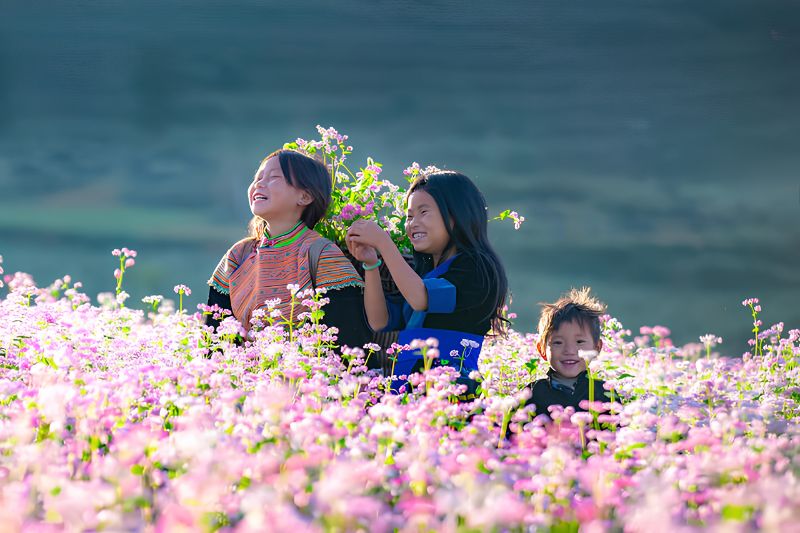
This is one of the most spectacular months for scenery. Golden rice terraces are still visible in some areas, while buckwheat flowers begin appearing across the Dong Van Karst Plateau.
The combination of limestone mountains, golden fields and pink or white buckwheat flowers makes October especially popular with photographers. The Buckwheat Flower Festival is generally held during the October to November flowering season, although the exact program and dates vary each year.
Average temperature: about 10 to 20°C
Best for: buckwheat flowers, cultural festivals and cool riding weather.
Ha Giang weather November is cool and relatively dry. Morning temperatures can be chilly, especially around Dong Van and Meo Vac, but daytime conditions are generally comfortable.
Buckwheat flowers are one of the main attractions. Valleys and hills around the Dong Van Karst Plateau can be covered with pink, white and purple flowers. Vietnam Tourism highlights areas such as Lung Cam and Thach Son Than as places to see the bloom.
November is also associated with the Buckwheat Flower Festival, one of Ha Giang's best-known seasonal cultural events.
Average temperature: about 6 to 16°C
Best for: solitude, winter landscapes and cultural exploration.
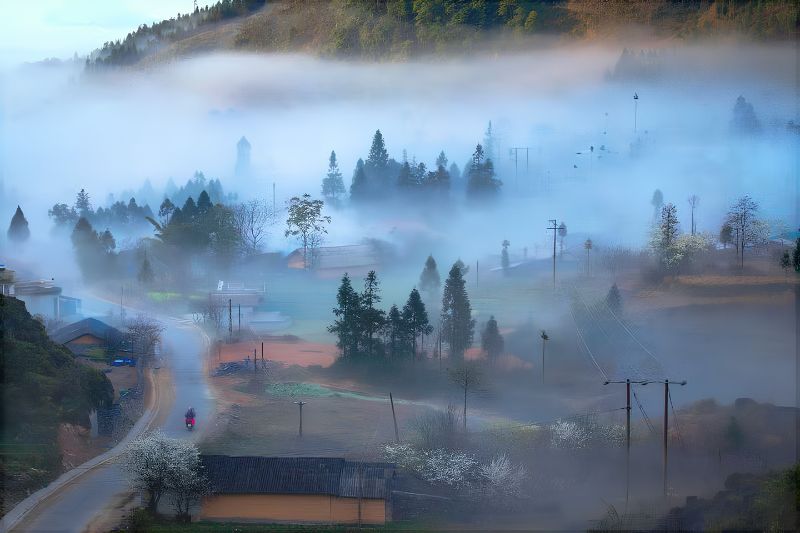
Ha Giang in December is cooler and generally dry. High mountain areas can feel very cold in the early morning, with fog sometimes covering the passes.
The scenery becomes quieter and more atmospheric. Mist drifting through limestone peaks, stone villages and empty mountain roads creates a peaceful winter landscape.
Some local Dao communities may hold traditional Cap Sac coming-of-age ceremonies during the broader winter period, although these are community rituals and dates are not fixed for tourists.
The Ha Giang Loop tour best time of year depends on what you want to see.
| Month | Weather | Main scenery | Cultural highlight | Riding conditions |
|---|---|---|---|---|
| January | Cold, misty | Winter mountains | Gau Tao season | Fair |
| February | Cool, foggy | Peach and plum flowers | Tet, Long Tong | Good |
| March | Mild, clearer | Spring flowers, green valleys | Gau Tao, Long Tong | Excellent |
| April | Warm, relatively dry | Green terraces | Khau Vai Love Market | Excellent |
| May | Warm, humid | Water-filled terraces | Local village events | Good |
| June | Warm, rainy | Lush mountains, waterfalls | Local markets | Variable |
| July | Hot, very wet | Deep green landscapes | Local markets | Challenging |
| August | Warm, very wet | Green mountains, waterfalls | Local markets | Challenging |
| September | Cool, improving | Golden rice terraces | National Day | Excellent |
| October | Cool, dry | Golden rice, buckwheat | Buckwheat Flower Festival | Excellent |
| November | Cool, dry | Peak buckwheat flowers | Buckwheat Flower Festival | Excellent |
| December | Cold, dry and foggy | Misty mountains | Winter rituals | Fair |
For the best time to visit Ha Giang Loop, choose March to April if you prefer spring flowers, mild weather and fewer peak-season crowds. Choose late September to November for golden rice terraces, buckwheat flowers and some of the clearest mountain views.
If your priority is cultural festivals, spring and autumn offer the most significant events. Festival dates can change because many celebrations follow the lunar calendar, so confirm the exact date before planning your route around one event.
Ha Giang weather today can be different from conditions on the mountain passes, so travelers should check both Ha Giang City and the main destinations along the Loop before setting off.
| Location | Typical daytime range | What to expect |
|---|---|---|
| Ha Giang City | Warmest point on the route | Lower elevation, milder mornings |
| Dong Van and Meo Vac | Several degrees cooler | Higher elevation, cold mornings in winter |
| Mountain passes | Coolest point on the route | Wind and fog, conditions change quickly |
For the latest Ha Giang weather forecast, check the forecast shortly before your ride. If you are planning a motorcycle trip, do not rely only on the Ha Giang city weather forecast. Conditions around Dong Van, Meo Vac and Ma Pi Leng Pass can be significantly cooler because of elevation. Heavy rain, fog or strong winds can also develop locally even when the weather in the city looks suitable for riding.
For a longer planning period, a Ha Giang weather forecast 14 days can help you choose your travel dates, but short-term forecasts are generally more useful for deciding daily riding conditions.
Check the forecast close to your departure. Search for Ha Giang weather forecast, Ha Giang weather today or Ha Giang forecast before leaving. A Ha Giang weather forecast 14 days ahead is useful for planning, but mountain conditions can change quickly.
Check each destination, not just Ha Giang City. Ha Giang city weather can be quite different from conditions in Dong Van, Meo Vac or on Ma Pi Leng Pass.
Pack layers. Temperatures can change considerably between valleys and high passes. A light jacket is useful even during warmer months.
Prepare for rain from May to August. Waterproof clothing, dry bags and shoes with good grip are particularly useful.
Avoid riding after heavy rain. If roads are wet or visibility is poor, consider delaying departure or using an experienced Easy Rider or private vehicle. Road conditions, flood warnings and border paperwork are covered in our travel permit Ha Giang loop guide.
Book early for October and November. Autumn is one of the busiest periods, especially around the buckwheat flower season.
Check the UV index in Ha Giang. Even when mountain temperatures feel cool, sun exposure can be strong. Sunscreen, sunglasses and long sleeves are useful for long days outdoors.
The best time to do Ha Giang Loop is generally March to April or September to November. Spring offers flowers and green landscapes, while autumn brings golden rice terraces and buckwheat flowers.
The best time to visit Ha Giang depends on your interests. March and April are ideal for spring scenery, while September to November is better for autumn landscapes and buckwheat flowers.
The wetter period is generally May to September, with June, July and August among the rainiest months. Heavy rainfall can make mountain roads slippery and increase the risk of landslides.
Yes. Winter can be cold, especially at high elevations. December to February can have temperatures around 5 to 18°C, with colder conditions possible on mountain passes.
Yes, if you enjoy cold weather, quiet roads and misty mountain scenery. However, fog can reduce visibility, so December is not the best choice if clear mountain views are your main priority.
January is suitable for travelers who prefer a quieter experience and winter atmosphere. Pack warm clothing and allow flexibility for foggy conditions.
Temperatures vary by month and elevation. Average conditions can range from around 5°C in winter mornings to more than 30°C during summer afternoons in lower areas. Mountain passes are usually cooler.
Ha Giang has large elevation differences. Ha Giang City is relatively low, while Dong Van and Meo Vac are much higher, and major passes such as Ma Pi Leng rise to around 1,500 to 1,700m.
Check the forecast when planning your trip, then check again a few days before departure and every morning during the Loop. Search terms such as AccuWeather Ha Giang, Ha Giang weather now, Ha Giang weather today and forecast Ha Giang can help you compare current conditions.
Ha Giang
Ha Giang food from egg rice rolls to thang co, with market days, places to eat, vegetarian options, meal price references and food safety advice.
 Ha Giang
Ha Giang waterfall guide to five stops on and off the Loop, with Du Gia swimming advice, western detours, seasonal conditions and practical travel tips.
 Ha Giang
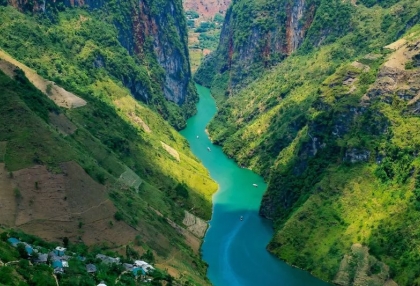
Plan a Nho Que River Ha Giang boat trip through Tu San Canyon with ticket prices, dock access, safety advice and the best months to see the green water.
 Ha Giang
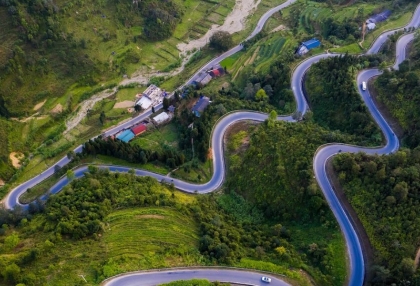
Ma Pi Leng Pass in Ha Giang: panorama viewpoints, the Ha Giang Skywalk, the Nho Que River view, how to get there, road safety and when to go.
 Ha Giang
Ha Giang loop packing list: what to pack, how to pack, riding gear, rain protection, documents and what to do with luggage.
 Ha Giang
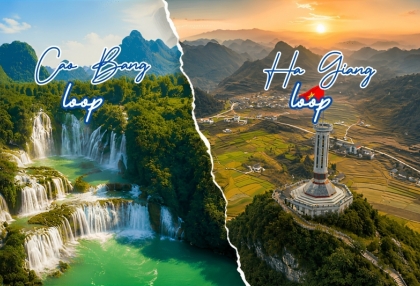
Compare the Ha Giang loop and the Cao Bang loop by scenery, main stops, road difficulty, crowds and best season, with transport between the two and suggested routes for 2 to 8 days.
 Ha Giang
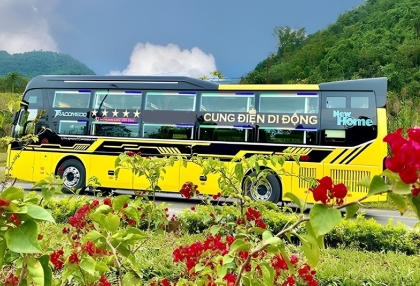
Plan your Ha Giang to Ninh Binh trip with bus options, travel time, distance, Hanoi connections, private car prices and practical tips.
 Ha Giang
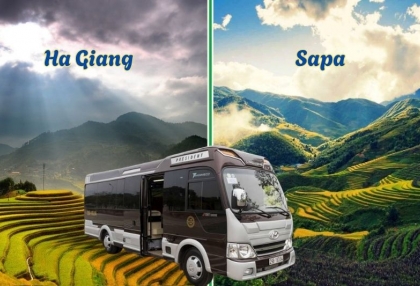
Compare travel time and price for the bus, motorbike and private car routes from Ha Giang to Sapa, plus the exact distance and FAQs on the Ha Giang loop.
 Ha Giang
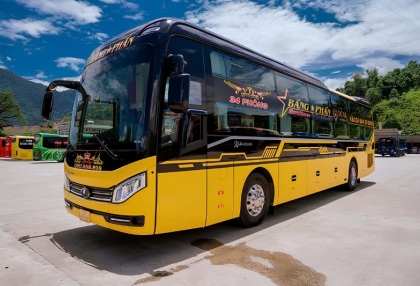
Hanoi to Ha Giang is about 300 to 320 km and takes 5 to 8 hours by road. The overnight sleeper bus costs about 250,000 to 300,000 VND and arrives before dawn.
 Ha Giang
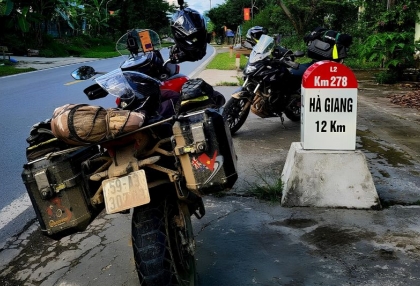
Ha Giang motorcycle rental guide: which bike to choose, daily prices, license and IDP rules, pre-ride checks and safety tips for riding the loop yourself.
