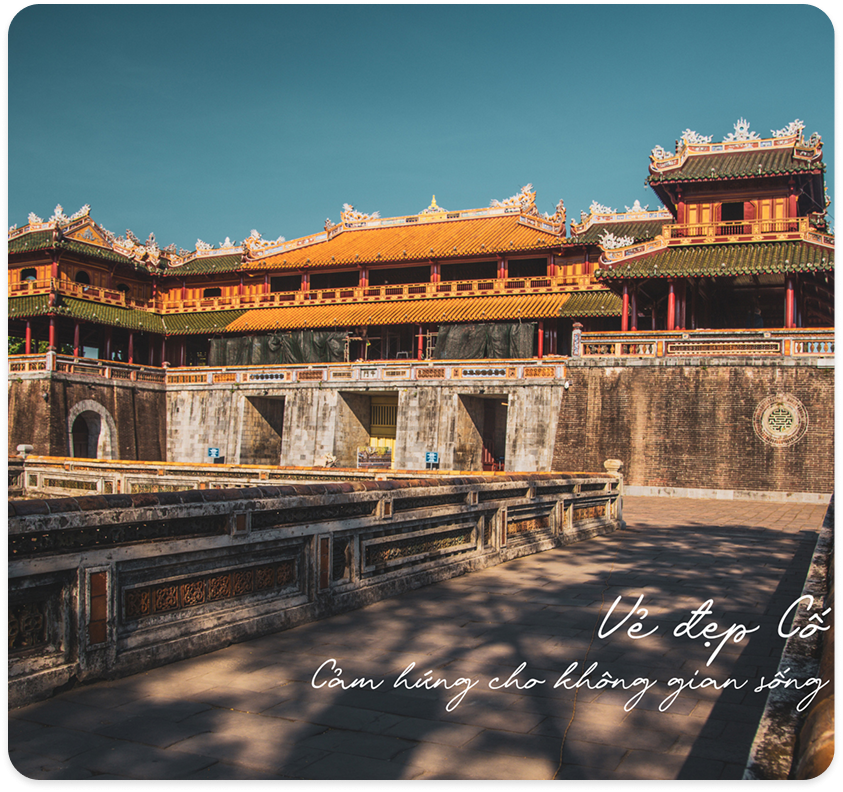

Lo Lo Chai Village is a Lo Lo community of about 120 households at the foot of Lung Cu Flag Tower, near the northernmost point of Vietnam. UN Tourism named it one of the Best Tourism Villages 2025 for its earthen houses, Lo Lo culture and homestays run by local families.
Beka's Ha Giang Loop tour routes of 2 and 3 days stop at the village on the afternoon of the first riding day, before the night in Dong Van. Travelers who want more time can stay overnight in a family homestay and walk the lanes after the day visitors leave.
| Quick fact | Detail |
|---|---|
| Location | Lung Cu Commune, Tuyen Quang Province, on the Ha Giang Loop |
| Elevation | About 1,470 meters |
| Community | About 120 households, mostly Lo Lo with some Mong families |
| Homestays | 63 family homestays with about 630 rooms |
| Distance | About 154 km from Ha Giang Ward and 35 km from Dong Van |
| Time needed | 2 to 3 hours for a walk, or 1 night in a homestay |
| Recognition | UN Tourism Best Tourism Village 2025 |
Where is Lo Lo Chai Village?
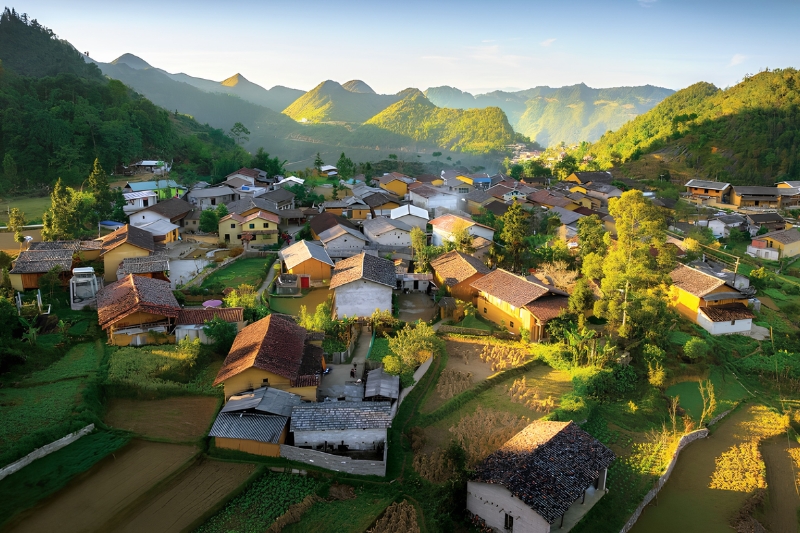
Lo Lo Chai is in Lung Cu Commune, at the foot of Rong Mountain and just below Lung Cu Flag Tower on the Dong Van Karst Plateau. Since Ha Giang Province merged into Tuyen Quang in 2025, the commune has been part of Tuyen Quang Province. The Ha Giang Loop map still marks the village as the northernmost stop on the route, just below the flag tower.
The village has about 120 households and more than 550 residents, with over 100 Lo Lo households living alongside Mong families. It is located at about 1,470 meters above sea level, which explains the cold winters and the thick walls of the local houses. (doingoai.tuyenquang.gov.vn)
Why was Lo Lo Chai named a Best Tourism Village?
UN Tourism selected Lo Lo Chai as one of the Best Tourism Villages 2025 from more than 270 entries across 65 countries. The program looks at how a village protects its cultural and natural heritage, manages tourism in a sustainable way and uses tourism to improve local incomes. (vietnamtourism.vn)
Tourism in the village began in 2011 and is run by local households rather than by outside companies. Between 2023 and 2025, homestay households rose from 29 to 63, and the share of families working in tourism grew from 26 to 52 percent. (baotuyenquang.com.vn)
Who are the Lo Lo people of Lo Lo Chai?
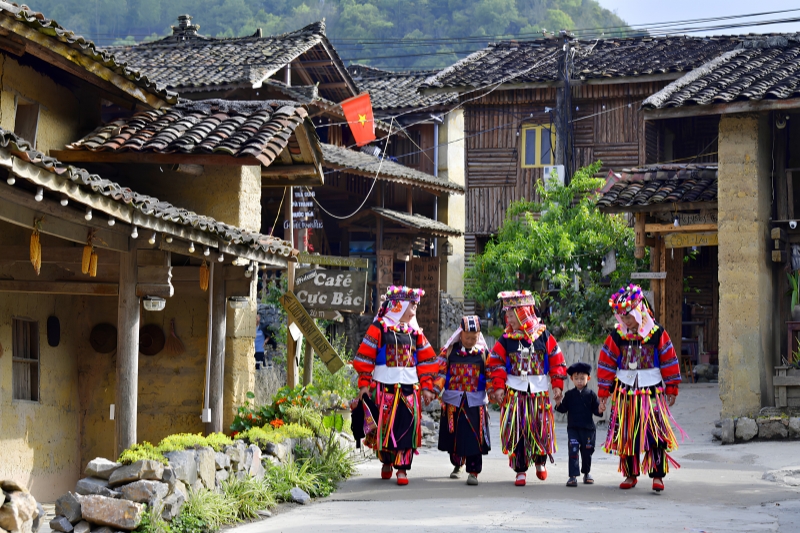
The village is home to the Black Lo Lo, one of the smallest ethnic communities in Vietnam, with its own language, costumes and ancestral rituals. Women's costumes are made from dark fabric covered with bright patchwork and embroidery, and are often worn together with silver jewelry. (tuyengiao.hagiang.gov.vn)
Village customs include ancestor worship, rites for the forest spirits and harvest celebrations, while weaving and embroidery remain part of daily life for many women. During traditional festivals, residents hold folk games such as a stick-pushing contest, and some homestays host music and cultural exchanges for overnight guests.
What do the earthen houses of Lo Lo Chai look like?
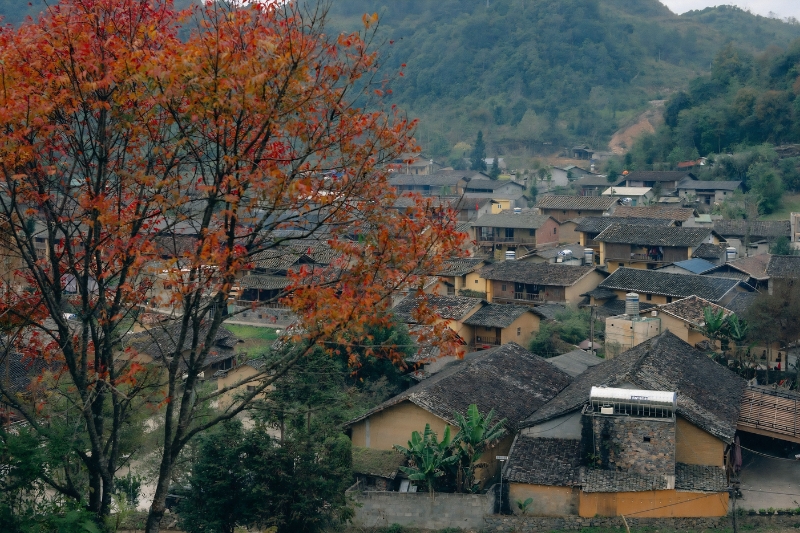
Most homes have earthen walls 40 to 60 centimeters thick, curved yin-yang roof tiles and low stone fences covered in moss, and some have stood for more than a century. The thick walls keep rooms warmer in winter and cooler in summer, which suits the cold nights on the plateau.
Many houses have been restored as homestays while keeping their original layout, exterior walls and the wider village landscape. Bilingual signs in Vietnamese and English mark homestays and directions along the main lanes, which makes the village easy to explore on foot.
How do travelers get to Lo Lo Chai?
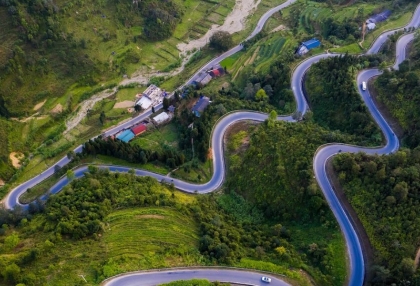
Lo Lo Chai is about 154 kilometers from Ha Giang Ward by road, through Quan Ba and Yen Minh before the route turns north toward Lung Cu. Loop routes usually pass Sung La Valley and the Hmong King's Palace, then take the Lung Cu road at the Ma Le junction.
A walk around the village takes 2 to 3 hours, and early morning or late afternoon brings softer light on the houses and fewer day visitors. Lung Cu Flag Tower can be reached on foot, by electric cart or by motorbike taxi. Many travelers pair it with other northern Ha Giang attractions on the same afternoon.
Is Lo Lo Chai worth an overnight stay?
An overnight stay suits travelers who want a homestay dinner, a quiet evening in the village and a morning walk before the tour groups arrive. A short stop of 2 to 3 hours fits Loop itineraries that continue to Dong Van, where most tours spend the night in the old quarter.
| Visit style | Time | Works well for |
|---|---|---|
| Short stop | 2 to 3 hours | Loop routes ending the day in Dong Van |
| Overnight stay | 1 night | Homestay dinner, quiet evening and an early walk |
| Lo Lo Chai and Then Pa | Half a day | Two villages beneath the same flag tower |
What is near Lo Lo Chai Village?
Lung Cu Flag Tower and Then Pa village are the two closest stops, and both can be reached from the village lanes on foot within a short time.
Lung Cu Flag Tower
Lung Cu Flag Tower stands on Rong Mountain about 1 kilometer from Lo Lo Chai, close to the northernmost point of Vietnam. A national flag of 54 square meters flies at the top to represent the 54 ethnic groups of Vietnam. From the tower, visitors look down over the earthen roofs of the village and its terraced corn fields. (nongthon.vietnamtourism.gov.vn)
Then Pa village
Then Pa is a Mong village beneath the same flag tower, with earthen houses and families who still weave flax into cloth. Homestays, parking, local food and horseback riding are available there, which makes Then Pa a quieter second stop for travelers staying overnight in the area.
What food can travelers try in Lo Lo Chai?
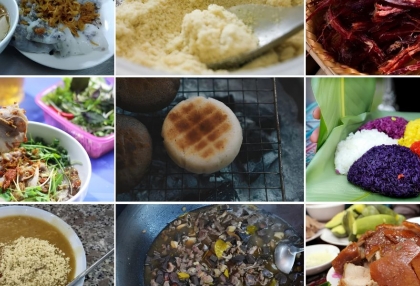
Homestay dinners are the main way to taste local food in Lo Lo Chai, and hosts often share stories about Lo Lo culture over the meal. Dishes common across the region include thang co, a meat stew, men men, made from steamed cornmeal, and smoked buffalo, which is sold dried as a snack.
Corn is the main crop on the plateau, so cornmeal and corn wine appear on many local tables around Lung Cu. Markets and small restaurants along the Loop add more variety, and egg rice rolls in Ha Giang Ward are among the best-known examples of Ha Giang food.
When is the best time to visit Lo Lo Chai?
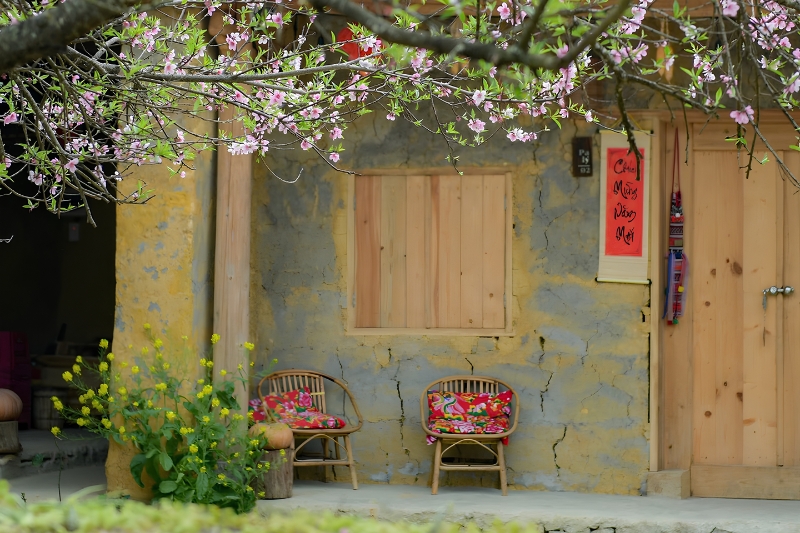
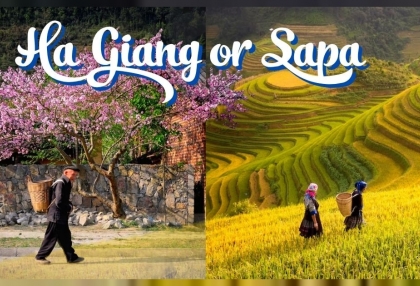
September to December is the busiest period, when buckwheat flowers cover the hills around Lung Cu and the weather stays mostly dry. Peach, plum and pear trees blossom in January and February, followed by green corn fields across the plateau from March to June.
June to September brings more rain and fewer visitors, with summer temperatures of around 25 to 26°C in the village. Winter nights can fall below 0°C with frost on the rooftops, and the monthly Ha Giang weather helps with planning warm layers for a homestay night.
How much does a stay in Lo Lo Chai cost?
Homestay rooms usually cost about VND 300,000 to 1,000,000 per night, depending on the house, the room type and the number of guests. Prices rise over Tet, when all 63 homestays with about 630 rooms were fully booked in 2026.
| Item | Price |
|---|---|
| Homestay room | About VND 300,000 to 1,000,000 per night |
| Ha Giang Loop of 2 days with Lo Lo Chai | From $135 per person |
| Ha Giang Loop of 3 days with Lo Lo Chai | From $175 per person |
Beka's Loop prices include the guide, meals on the route and overnight stays, including the sleeper bus from Hanoi, while drinks and optional activities are paid separately.
How can visitors respect daily life in Lo Lo Chai?
Lo Lo Chai is a living village where most families still farm, so asking before photographing people and keeping to the public lanes help protect their privacy. Entering a home or joining household work depends on an invitation from the family, which homestay guests usually receive as part of their stay.
Riders who plan to drive themselves should check license rules and the Ha Giang Loop permit before reaching the border area around Lung Cu. Travelers who prefer not to ride can join with a local driver or a private car, although both options still involve long hours on mountain roads.
How do Beka's Ha Giang Loop tours include Lo Lo Chai?
Beka arranges Ha Giang Loop tours with local partners, and the routes of 2 and 3 days visit Lo Lo Chai on the afternoon of the first riding day. After lunch in Yen Minh, the group passes Tham Ma Pass, Sung La Valley, the Hmong King's Palace and Lung Cu Flag Tower before reaching the village.
The group then checks in at a hotel or homestay in Dong Van at around 16:30, followed by dinner in the old quarter. The Ha Giang Loop 2 Days 2 Nights Adventure Tour starts from $135 per person, with a jeep option for up to 4 passengers per vehicle.
Each easy rider Ha Giang Loop tour also has a self-driving option, and private car or jeep arrangements are available on request for travelers who prefer not to ride.
Frequently asked questions
Is Lo Lo Chai in Ha Giang or Tuyen Quang?
Both names refer to the same place, because Lung Cu Commune joined Tuyen Quang Province when Ha Giang Province merged into it in 2025. Travel maps, bus companies and tour listings still use the name Ha Giang for the region, and the village remains a stop on Ha Giang Loop routes.
Do I need to book a Lo Lo Chai homestay in advance?
Yes, especially during the buckwheat season and around Tet, when every homestay in the village was fully booked in 2026. Most homestays are run by individual families and take bookings directly, so reserving ahead secures a specific room, dinner and arrival time instead of searching for a bed after dark.
How far is Lo Lo Chai from Dong Van?
Lo Lo Chai is about 35 kilometers from the center of Dong Van, just below Lung Cu Flag Tower. Most tours visit the village in the afternoon and drive back to Dong Van for the night. Independent travelers can also stay in a village homestay and continue to Dong Van the next morning.
Can I visit Lo Lo Chai without riding a motorbike?
Yes. Beka's Loop tours of 2 and 3 days offer an easy rider, a local driver who handles the motorbike, and selected routes add a jeep for up to 4 passengers. Private car arrangements are also available on request, although the trip still involves several hours a day on winding mountain roads.
Can visitors join cultural activities in Lo Lo Chai?
Yes, mainly through homestays that host dinners, music and cultural exchanges for their guests. A local embroidery cooperative of about 30 Lo Lo women has tested hands-on embroidery sessions for visitors with university researchers. Festival days add folk games such as the stick-pushing contest. Activities depend on the host family and the date of the visit.
Is Lo Lo Chai crowded?
The village gets busy on weekends, during the buckwheat season and over Tet, mainly in the middle of the day when Loop groups arrive. Early morning and late afternoon are much quieter, and the rainy months from June to September bring the fewest visitors, which suits travelers who prefer a calm stay.