



 Ha Giang
Lo Lo Chai Village: Culture, Homestays and How to Visit
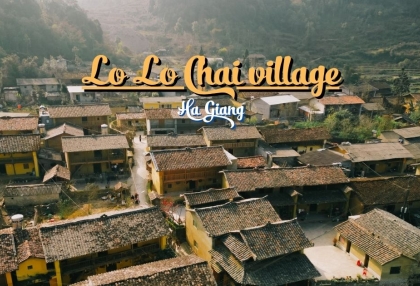
Lo Lo Chai Village near Lung Cu Flag Tower, a UN Tourism Best Tourism Village 2025, with Lo Lo culture, earthen homestays and Ha Giang Loop access.
Planning the Ha Giang loop means dealing with three practical questions before the scenery: which documents foreign travelers need, how safe the mountain roads are, and whether travel insurance covers a motorbike trip in Vietnam. This guide answers all three and explains how Beka Travel handles them on every Ha Giang loop tour.
Foreign travelers entering the border areas of northern Ha Giang need a Ha Giang border permit, issued by the Immigration Division of the provincial police. The official fee is 10 USD per person and processing takes up to 5 working days. The classic loop passes through Quan Ba, Yen Minh, Dong Van and Meo Vac, so most itineraries are affected, and the simplest option is a tour that arranges the permit before departure.
The permit does not replace a visa, a driving license or travel insurance. The real risks on the loop come from mountain roads, rain and rider inexperience rather than crime, and most travel policies exclude motorbike accidents unless the rider is properly licensed and the policy names motorbike riding.
| Item | Details |
|---|---|
| Document | Permit to enter restricted and border areas for foreigners |
| Issued by | Immigration Division, Tuyen Quang Provincial Police |
| Official fee | 10 USD per person |
| Processing time | Up to 5 working days |
| How to submit | In person, usually through a sponsoring organization such as a tour operator |
| With a Beka Travel tour | Arranged by our team before departure, 10 USD fee paid separately |
The Ha Giang loop permit, also called a travel permit for the Ha Giang loop, is the permission foreign visitors need to enter restricted and border areas in the far north of Vietnam. Ha Giang shares a long border with China, and the districts along that border are subject to extra controls.
The procedure is set by the Ministry of Public Security. Its public service portal lists the provincial Immigration Division as the issuing office, a fee of 10 USD per person and a processing time of no more than 5 working days from the date a complete file is received.
Since the administrative reorganization of 1 July 2025, the former Ha Giang Province is part of Tuyen Quang Province. Applications are therefore handled by the Tuyen Quang Provincial Police, even though the destination is still known as Ha Giang for travel.
Tour operators working on the route report stricter document checks on northern Ha Giang roads in 2026. Forum posts from earlier years, which describe the permit as optional or rarely checked, no longer reflect the situation on the ground.
The border area permit applies to regulated border and restricted zones. It is not a general tourist pass for the whole region. On the classic loop, the areas most often involved are:
Rules and checks can change, so the exact itinerary decides what is required. A reliable operator confirms this for each route before departure.
No. A Vietnamese visa or visa exemption allows a traveler to enter and stay in Vietnam. The border permit is an additional document for access to regulated areas, and it does not replace a visa, a driving license or insurance.
The requirement applies to foreign passport holders entering regulated border areas in northern Ha Giang. Anyone following the classic loop through Dong Van and Meo Vac should plan on needing one.
Itineraries that stay south of the border districts may not be affected in the same way. Because of this, the permit question should be answered route by route rather than from old travel forums.
Vietnamese citizens follow different rules. In a mixed group, the tour operator confirms the documents needed for each traveler.
There are two practical ways to arrange a Ha Giang loop travel permit.
For most international travelers, this is the simplest choice. The official procedure is built around a sponsoring organization submitting the request, and a licensed tour operator fills that role.
Before booking any tour, ask these questions:
On a Beka Travel tour, our team checks the route, collects passport details at booking and arranges the permit before the group leaves Ha Giang City. The 10 USD official fee is not included in the tour price and is paid separately. Travelers arriving on the overnight bus do not lose part of their trip to paperwork.
The application is submitted in person at the Immigration Division of the Tuyen Quang Provincial Police. The portal lists this procedure as not fully available online.
The official file consists of a request letter from the sponsoring organization on form NA14, or a personal application on form NA15 in the case of relatives. Independent travelers usually need a sponsor such as a hotel or a local operator, so it is worth confirming the current process with the office before arriving.
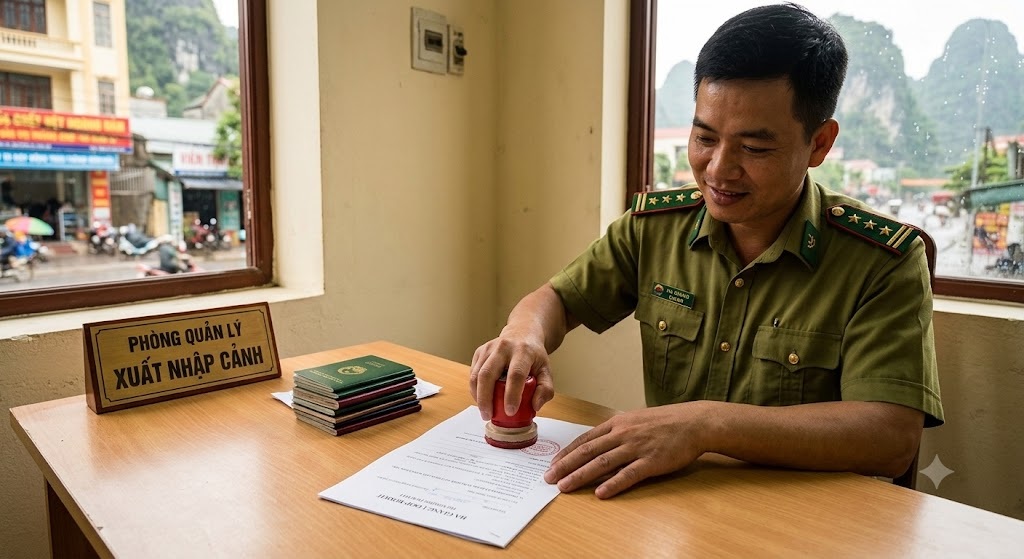
Prepare the following documents:
Older travel guides quote a lower fee in Vietnamese dong and different office details. For a 2026 trip, use the 10 USD figure published on the Ministry portal and allow up to 5 working days.
The Ha Giang loop is safe for travelers who respect the roads, but it is not risk-free. The main dangers are not crime. They come from mountain roads, riding experience, weather, fatigue and poor visibility.
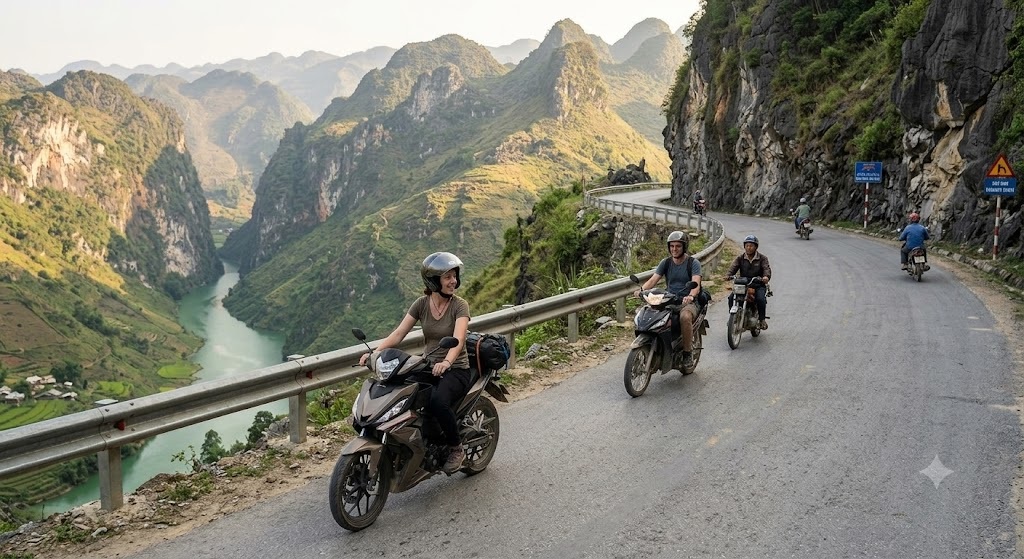
Most accidents on the route involve travelers riding themselves, often with little experience on steep, winding roads. Choosing an easy rider tour removes most of that risk, because a local driver who rides the route every week handles the motorbike. Riders planning to self-drive instead can check our Ha Giang motorcycle rental guide first.
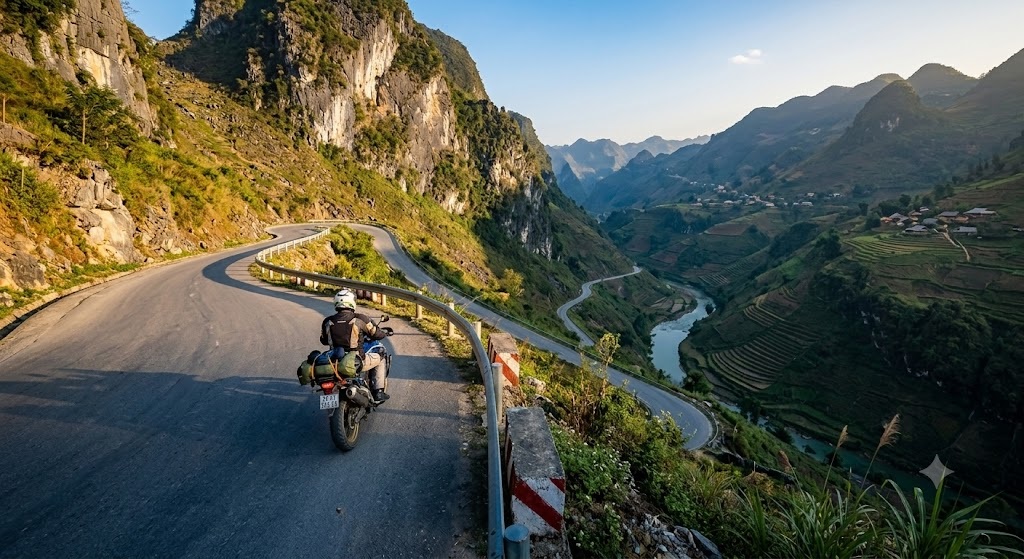
The most common risk factors are:
Treating the trip as a mountain road journey rather than an ordinary motorbike ride addresses most of these points.
An easy rider Ha Giang tour is the safest way for first-time visitors to ride the loop. The traveler sits as a passenger, the driver knows every pass and bend, and the group moves at a pace planned around daylight and weather.
Beka Travel riders are local drivers with years of experience on the route. Each departure is planned so riding days finish before dark, and guides change the schedule when rain affects the road.
Weather has a strong effect on travel in Ha Giang, especially during the rainy season from July to August. Heavy rain can cause flooding, landslides, falling rocks and temporary road closures.
Anyone searching for a Ha Giang flood update or for Ha Giang flooding today should rely on current sources rather than a fixed map or an old social media post:
A road can stay dangerous after the rain stops, because soaked soil and rocks can keep moving for several hours. When severe weather affects the route, Beka Travel adjusts the itinerary instead of following the original schedule. Month by month conditions are covered in our Ha Giang weather guide.
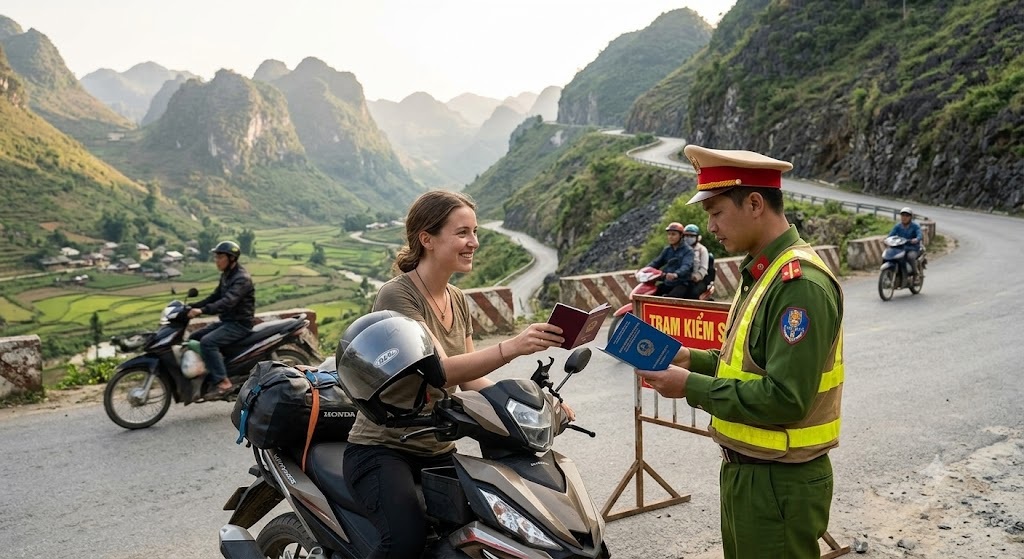
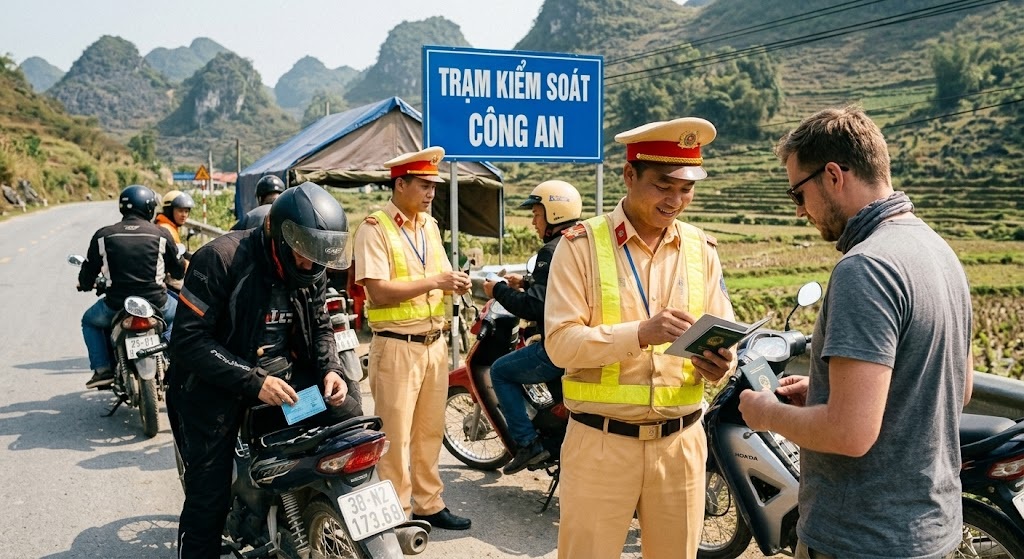
Police and local authorities can check travel documents in regulated areas. There is no reliable, permanent Ha Giang loop police checkpoints map, because locations and enforcement change.
Instead of planning a route around checkpoints, carry the documents required by law:
On a guided tour, the guide carries the group permit and handles any document check.
Travel insurance is a key part of planning a motorbike trip in the mountains. A suitable policy helps cover:
This matters most for self-drive travelers. Many policies exclude motorbike accidents if the rider does not hold a valid license, rides outside the policy conditions or takes part in activities listed as high risk.
Before departure, check whether the policy covers:
Easy rider passengers are in a different position from self-drive riders, since they are not operating the motorbike. Selected Beka Travel packages also include motorbike insurance. Read both sets of terms before the trip.

| Option | Best for | Permit and safety |
|---|---|---|
| Easy rider tour | First-time visitors, couples, solo travelers | Local driver, permit arranged |
| Group motorbike tour | Travelers who enjoy meeting others | Guided pace, permit arranged |
| Private jeep or car | Families and travelers who do not want to ride | Lowest road risk, permit arranged |
| Self-drive | Experienced riders with a valid license | Rider manages documents, route and safety |
A Ha Giang trip should be exciting without the paperwork and road risks getting in the way. Every Beka Travel Ha Giang loop tour includes a route check, help with the border area permit (official fee paid separately), experienced local riders and itineraries planned around daylight and weather.
Tours run for 2 days 2 nights, a 3 days Ha Giang loop tour with easy rider, and 4 days 4 nights, with round-trip transport from Hanoi. Browse our Ha Giang loop tours and choose the itinerary that fits your time in Vietnam.
Yes, if your route enters the border areas of northern Ha Giang, which the classic loop does. Operators report stricter checks on these roads in 2026.
The official fee published by the Ministry of Public Security is 10 USD per person, with processing of up to 5 working days.
At the Immigration Division of the Tuyen Quang Provincial Police, in person. Applications are normally submitted through a sponsoring organization such as a tour operator.
Yes. Beka Travel arranges the permit for every Ha Giang loop tour. The 10 USD official fee is not included in the tour price and is paid separately.
It can be for inexperienced self-drive riders, mainly because of steep bends, rain and fatigue. With an experienced easy rider and daylight riding, the risk is much lower.
First-time riders are safer on an easy rider tour than riding themselves. The local driver handles the bends, the weather and the road surface.
Rain makes roads slippery and raises the risk of landslides and falling rocks. Follow local warnings and change or delay the itinerary when heavy rain is forecast.
Do not cross flooded roads or landslide areas. Check official weather forecasts, ask your operator or homestay for road updates and follow instructions from local authorities.
It depends on the policy. Check the motorbike, license, medical treatment and evacuation conditions, because standard policies often exclude self-drive riding without a valid license.
No. The permit covers regulated border and restricted areas, not the whole region. The exact itinerary decides whether one is required.
Ha Giang
Lo Lo Chai Village near Lung Cu Flag Tower, a UN Tourism Best Tourism Village 2025, with Lo Lo culture, earthen homestays and Ha Giang Loop access.
 Ha Giang
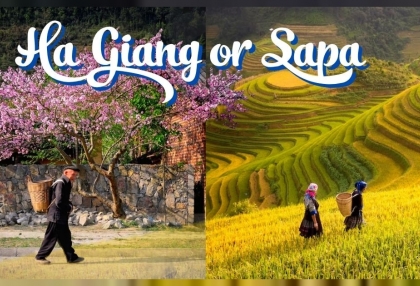
Ha Giang vs Sapa compares Hanoi transfers, itineraries of 2 to 4 days, landscapes, seasonal highlights and Beka's listed tour choices.
 Ha Giang
Ha Giang food from egg rice rolls to thang co, with market days, places to eat, vegetarian options, meal price references and food safety advice.
 Ha Giang
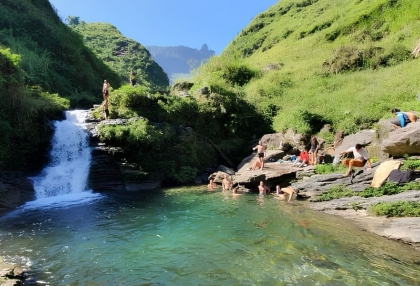
Ha Giang waterfall guide to five stops on and off the Loop, with Du Gia swimming advice, western detours, seasonal conditions and practical travel tips.
 Ha Giang
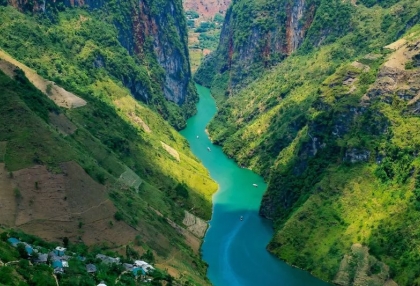
Plan a Nho Que River Ha Giang boat trip through Tu San Canyon with ticket prices, dock access, safety advice and the best months to see the green water.
 Ha Giang
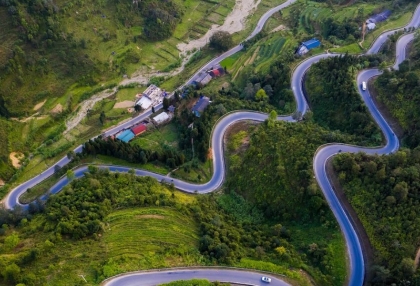
Ma Pi Leng Pass in Ha Giang: panorama viewpoints, the Ha Giang Skywalk, the Nho Que River view, how to get there, road safety and when to go.
 Ha Giang
Ha Giang loop packing list: what to pack, how to pack, riding gear, rain protection, documents and what to do with luggage.
 Ha Giang
Compare the Ha Giang loop and the Cao Bang loop by scenery, main stops, road difficulty, crowds and best season, with transport between the two and suggested routes for 2 to 8 days.
 Ha Giang
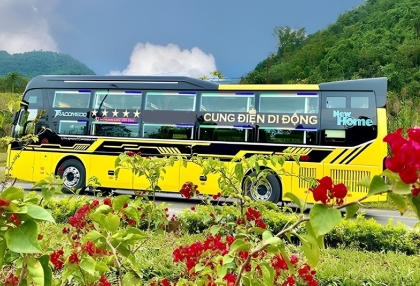
Plan your Ha Giang to Ninh Binh trip with bus options, travel time, distance, Hanoi connections, private car prices and practical tips.
 Ha Giang
Compare travel time and price for the bus, motorbike and private car routes from Ha Giang to Sapa, plus the exact distance and FAQs on the Ha Giang loop.
