



 Ha Giang
Lo Lo Chai Village: Culture, Homestays and How to Visit
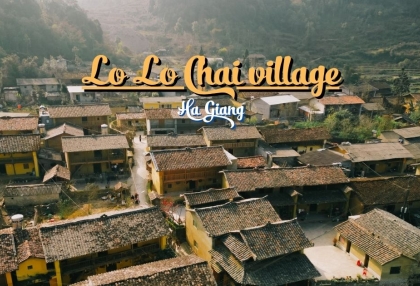
Lo Lo Chai Village near Lung Cu Flag Tower, a UN Tourism Best Tourism Village 2025, with Lo Lo culture, earthen homestays and Ha Giang Loop access.
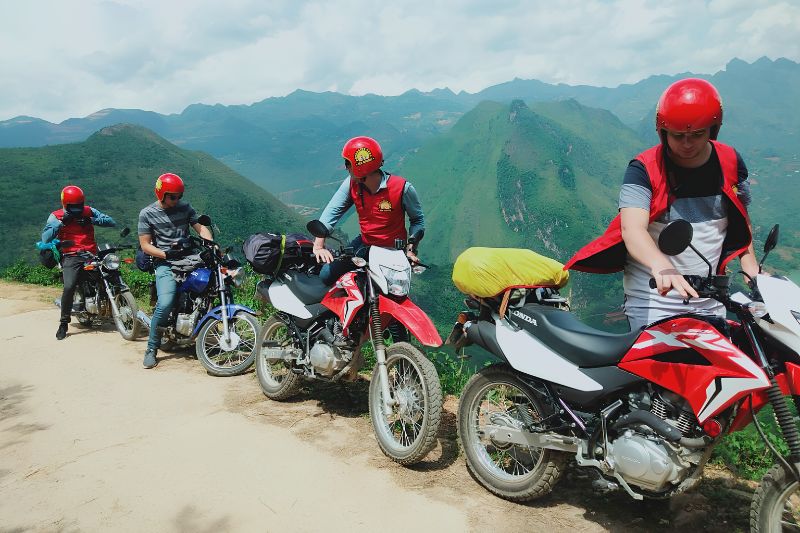
Renting a motorbike and riding the Ha Giang loop yourself gives you the freedom to stop wherever you want. It also puts the license paperwork, the bike and the mountain roads entirely in your hands.
A Ha Giang motorcycle rental costs about 180,000 to 250,000 VND a day for a semi-automatic 110cc to 125cc bike. That size suits most riders on the loop. Check the brakes, tires, lights and chain before you leave the shop. Agree the deposit and the insurance terms in writing.
You can ride the loop yourself if you hold a motorcycle license at home and an International Driving Permit issued under the 1968 Vienna Convention. Vietnam does not accept the older 1949 permits. The United States, Canada and Australia issue that older version, so riders from those countries are not licensed here. Most travel policies also refuse to pay when the rider has no valid license. An easy rider tour is the practical alternative.
Yes, but two things have to be true. You need the correct documents, and you need enough riding experience for mountain roads.
The loop is not a city ride. The road climbs steeply, turns sharply and narrows in places. Fog arrives quickly. Rain changes the surface within minutes.
Ask yourself these questions before you decide:
If you answer no to several of these questions, choose an easy rider tour instead. You travel the same roads as a passenger, and a local driver handles the motorbike.
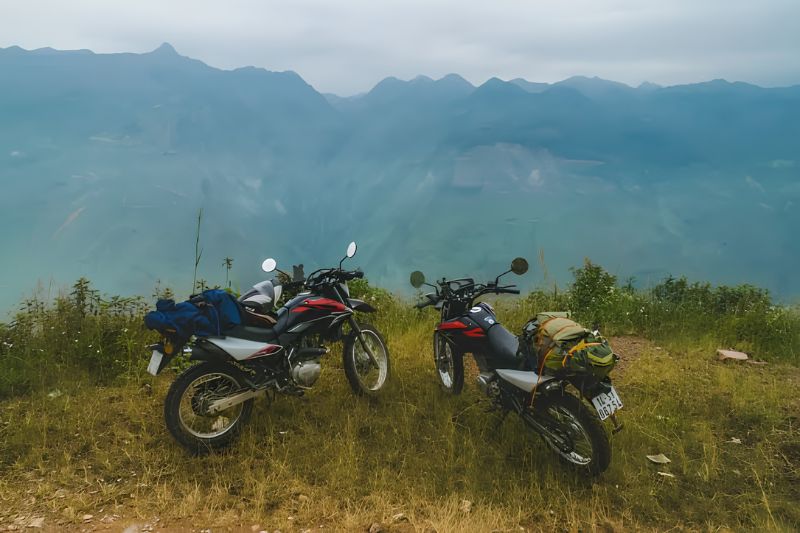
Most travelers arrange a Ha Giang bike rental in Ha Giang City before they start the route. The shops there stock semi-automatic bikes, manual motorbikes, automatic scooters and a few larger adventure models.
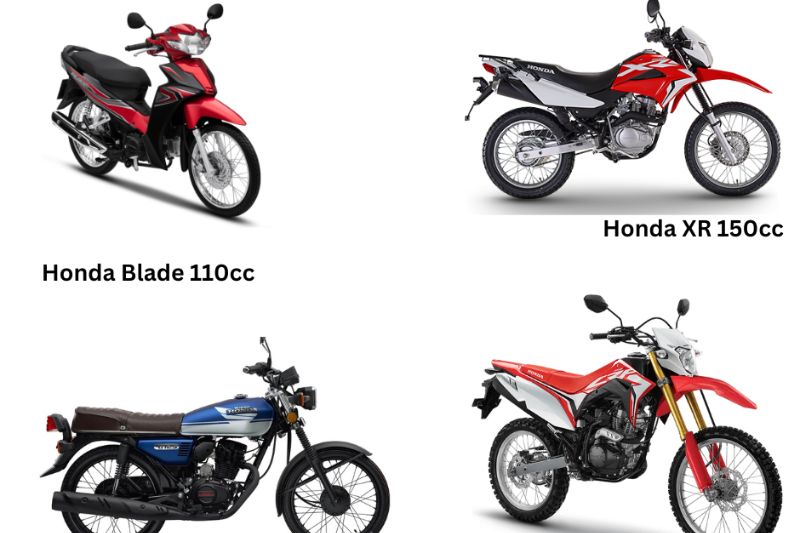
A semi-automatic bike of 110cc to 125cc suits most riders. You change gears with your foot, and there is no hand clutch. The bike is easier to learn than a manual, and you can still drop into a lower gear on climbs and descents. Honda Wave, Blade and Future are the common models.
Manual motorbikes such as the Honda Winner or the XR150 give more power on steep sections. They also ask more of the rider, because you control the clutch, the throttle and the gears at the same time. Choose a manual bike only if you ride one regularly at home.
Automatic scooters are available, and they are not unsafe in themselves. The problem on this route is engine braking. A scooter gives you very little of it, so you use the brakes for the whole descent and the brakes can overheat.
The table below shows daily rates listed by rental shops in Ha Giang City in September 2026. Use them as a reference and confirm the current price with the shop.
| Bike type | Rate per day | Suited to |
|---|---|---|
| Semi-automatic 110cc to 125cc | About 180,000 to 250,000 VND | Most riders on the classic loop |
| Manual 150cc | About 350,000 to 450,000 VND | Riders who use a clutch bike at home |
| Adventure or trail bike | From about 550,000 VND | Experienced off-road riders |
| Automatic scooter | About 150,000 to 200,000 VND | Short flat rides rather than mountain passes |
Ask what the rate includes before you pay. The helmet, the luggage straps, a phone holder, roadside support, rental insurance, the deposit and the amount you would owe after a crash should all be clear in writing.
A low price is not a good deal if the brakes are worn. Check the bike at the shop, before you start the route.
A shop that refuses a test ride is a reason to walk away.
Vietnam accepts International Driving Permits issued under the 1968 Vienna Convention on Road Traffic. It does not accept permits issued under the older 1949 Geneva Convention.
This rule affects several large travel markets. Vietnam Tourism reports that the United States and Canada did not sign the 1968 convention, and Australia issues its permits under the 1949 convention. A traveler from those countries can hold a valid permit at home and still have no right to ride in Vietnam.
Travelers from the United Kingdom, France and Germany are in a different position. Those countries issue 1968 permits.
Carry all of these documents when you ride:
A car license does not qualify you to ride a motorbike. An International Driving Permit without the motorcycle category does not qualify you either. Some rental shops hand over the keys without checking any of this, but that does not change the law.
The insurance side matters just as much. Most travel policies do not pay out when the rider was not legally licensed. An unlicensed rider who crashes can face a fine and the full medical bill. Rules also change over time, so check the current position with your own licensing authority before you travel.
The license and the border permit are two different documents. Foreign travelers who enter the regulated border areas of northern Ha Giang need a permit from the provincial Immigration Division. The official fee is 10 USD per person. The classic loop passes through those areas, so the rule applies to most riders. Our Ha Giang loop permit guide explains who needs one and how to apply.
Most incidents on the route involve inexperienced riders who travel too fast, or who ride in rain and fading light. These habits prevent most of them.
Slow down before the bend. Braking hard inside a blind corner is how riders lose control, especially on loose gravel.
Stay on your side of the road. Trucks and buses swing wide through tight corners, so leave them space.
Tap the horn before a blind bend. A short sound tells oncoming drivers that you are there. Local riders do this all the time, and it is not considered rude.
Use a lower gear downhill. Engine braking controls your speed, so the brakes do not overheat on a long descent.
Finish each riding day before dark. Mountain roads are much harder to read at night. Animals and potholes appear with no warning.
Stop when the rain is heavy. Pull over somewhere safe and wait for the weather to pass.
Keep your luggage light. A heavy backpack changes the balance of the bike. Most shops and hotels in Ha Giang City store large bags for free while you ride.
Many travelers arrive in Ha Giang City, look at the first mountain pass and decide not to ride. That is a reasonable choice. It is also the only choice for travelers whose International Driving Permit is not accepted here.
Beka Travel runs easy rider itineraries of 2 days 2 nights, 3 days 3 nights and 4 days 4 nights. Each tour includes a local driver, round-trip transport from Hanoi and the border permit arranged before departure. You see the same roads and the same viewpoints, and an experienced rider leads the way.
Rates listed in September 2026 start at about 180,000 VND a day for a semi-automatic 110cc bike and reach 550,000 VND or more for an adventure model. Confirm the deposit and the insurance terms with the shop.
A well maintained semi-automatic bike of 110cc to 125cc works for most riders. It is simple to ride, and it still gives you gear control on climbs and descents.
Not with an International Driving Permit issued at home. Those countries issue permits under the 1949 Geneva Convention, and Vietnam accepts only 1968 permits. An easy rider tour is the practical alternative.
Yes, by bicycle, but the route is demanding. The circuit covers about 350 km and includes several high passes. Cyclists usually take a week or travel with a support vehicle.
Ask the shop about roadside support before you leave. Mechanics in the villages along the route repair punctures and chains cheaply, but help does not arrive quickly everywhere.
Ha Giang
Lo Lo Chai Village near Lung Cu Flag Tower, a UN Tourism Best Tourism Village 2025, with Lo Lo culture, earthen homestays and Ha Giang Loop access.
 Ha Giang
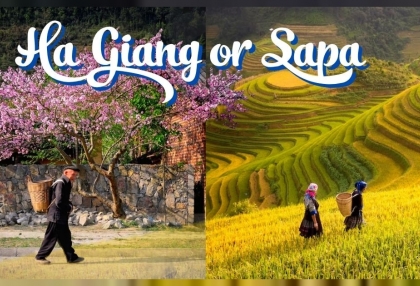
Ha Giang vs Sapa compares Hanoi transfers, itineraries of 2 to 4 days, landscapes, seasonal highlights and Beka's listed tour choices.
 Ha Giang
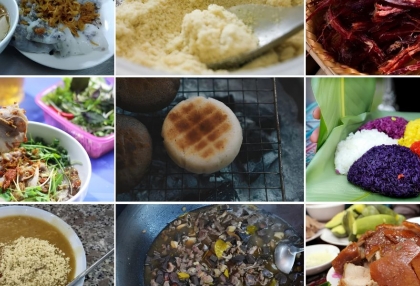
Ha Giang food from egg rice rolls to thang co, with market days, places to eat, vegetarian options, meal price references and food safety advice.
 Ha Giang
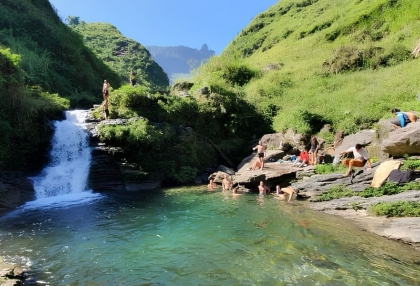
Ha Giang waterfall guide to five stops on and off the Loop, with Du Gia swimming advice, western detours, seasonal conditions and practical travel tips.
 Ha Giang
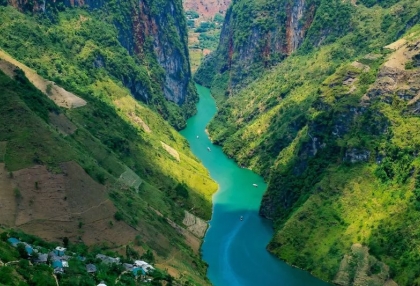
Plan a Nho Que River Ha Giang boat trip through Tu San Canyon with ticket prices, dock access, safety advice and the best months to see the green water.
 Ha Giang
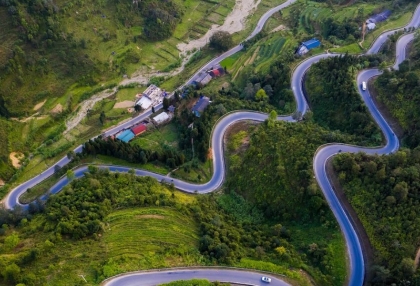
Ma Pi Leng Pass in Ha Giang: panorama viewpoints, the Ha Giang Skywalk, the Nho Que River view, how to get there, road safety and when to go.
 Ha Giang
Ha Giang loop packing list: what to pack, how to pack, riding gear, rain protection, documents and what to do with luggage.
 Ha Giang
Compare the Ha Giang loop and the Cao Bang loop by scenery, main stops, road difficulty, crowds and best season, with transport between the two and suggested routes for 2 to 8 days.
 Ha Giang
Plan your Ha Giang to Ninh Binh trip with bus options, travel time, distance, Hanoi connections, private car prices and practical tips.
 Ha Giang
Compare travel time and price for the bus, motorbike and private car routes from Ha Giang to Sapa, plus the exact distance and FAQs on the Ha Giang loop.
