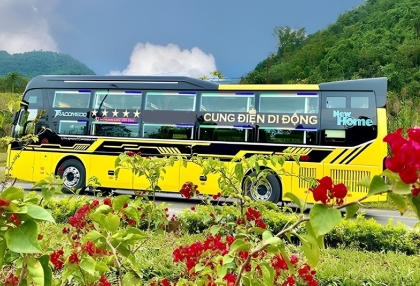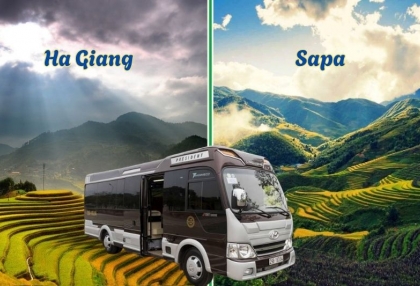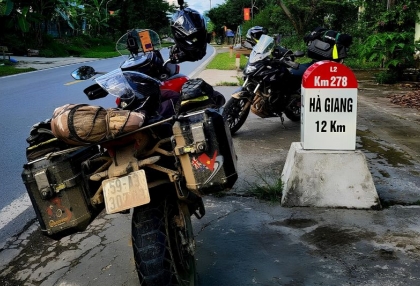

Ha Giang vs Sapa is a choice between village walks and a mountain road trip. Sapa suits a stay of 2 or 3 days built around trekking through rice terraces. A Ha Giang Loop tour follows limestone passes and river canyons for 3 or 4 days, with overnight stops in different towns.
Sapa tours run from village walks of half a day to stays of 2 days 1 night, which makes Sapa the easier choice for a short northern trip from Hanoi.
| Factor | Sapa | Ha Giang |
|---|---|---|
| From Hanoi | Bus 5.5-6 hours; train to Lao Cai, then road | Sleeper bus 6-8 hours; no passenger train |
| Travel style | Village walks from one base | Road loop with a new town each night |
| Landscape | Rice terraces, Muong Hoa Valley, Fansipan | Limestone plateau, passes, Nho Que River |
| Time needed | 2-3 days | 3-4 days |
| Beka tours from | $30-$99 across five tours | $135 (2 days), $175 (3 days), $205 (4 days) |
| Best months | March-May, September-November | March-April, September-November |
What is the main difference between Ha Giang and Sapa?
Sapa is a walking destination, while Ha Giang is a road journey. Most Sapa activities start and finish near the same town, so travelers can keep one hotel or homestay for the whole stay. On the Ha Giang Loop, each day ends in a different town, such as Yen Minh, Dong Van or Meo Vac.
Sapa's scenery centers on the rice terraces of Muong Hoa Valley and on Fansipan, the highest mountain in Vietnam at 3,143 meters. Ha Giang crosses the Dong Van Karst Plateau UNESCO Global Geopark, where limestone mountains, deep canyons and passes such as Ma Pi Leng shape the route.
Which is easier to reach from Hanoi?
Sapa is easier to reach, with buses, private cars and an overnight train to choose from. A bus from Hanoi to Sapa takes about 5.5 to 6 hours, while a private car takes about 5 hours. The train stops in Lao Cai, so travelers continue to Sapa by road, which brings the trip to 8 or 9 hours door to door.
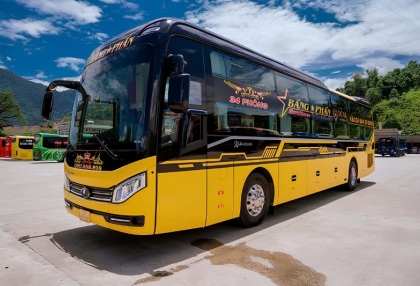
Ha Giang has no passenger train, leaving buses and private cars as the only options. A sleeper bus from Hanoi takes 6 to 8 hours, and a private car takes 5 to 6 hours. Combining both regions adds a full travel day, as the Ha Giang to Sapa transfer takes 5 to 7 hours by direct bus or private car.
What can travelers do in Sapa and Ha Giang?
Travelers in Sapa spend most of their time on foot, walking between villages and rice terraces. In Ha Giang, most of the day is spent on the road, with stops at viewpoints, markets and small towns along the Loop.
What are the main things to do in Sapa?
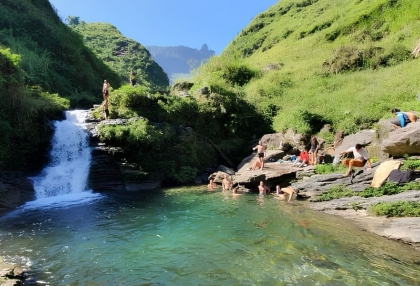
Village trekking is the main activity in Sapa, with routes through Y Linh Ho, Lao Chai and Ta Van following the Muong Hoa Valley past rice terraces. The villages along the way are home to Hmong, Dao and Giay communities. Cat Cat village, about 2 kilometers from town, offers a shorter walk for travelers with half a day.
The Fansipan cable car covers 6 kilometers in about 15 minutes, which turns the summit of Vietnam's highest mountain into a trip of half a day. Bac Ha Market, held on Sundays about 2 hours by road from Sapa, adds a separate day trip for travelers whose stay includes a weekend.
What are the main things to do in Ha Giang?
The Ha Giang Loop links Quan Ba, Yen Minh, Dong Van and Meo Vac over 2 to 4 days. Common stops include the Heaven's Gate viewpoint at Quan Ba, the Hmong King's Palace and the old quarter of Dong Van. The order of stops depends on the route length and the overnight towns.
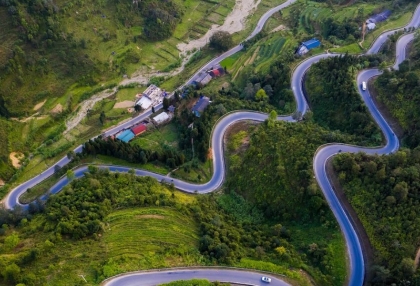
Ma Pi Leng Pass is the best-known section of the route, running about 20 kilometers between Dong Van and Meo Vac at 1,200 to 1,500 meters. A narrow walking path above the road, known as the Ha Giang Skywalk, gives a closer view of the canyon below.
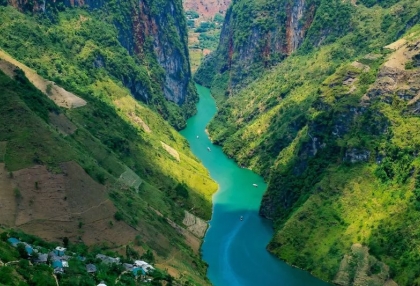
A boat trip on the Nho Que River Ha Giang runs for about 60 to 80 minutes through Tu San Canyon, showing the cliffs from water level. Hoang Su Phi, in the west of the region, has rice terraces similar to Sapa's, although reaching them needs extra time beyond the main Loop.
How many days should travelers allow?
Two or three days in Sapa give enough time for a village walk, an overnight stay in the valley and the Fansipan cable car. Ha Giang needs 3 or 4 days for a full Loop, since each day includes several hours of riding between overnight towns. A trip of 2 days covers the main highlights but leaves little time at each stop.
A week is enough to see both regions when the travel days are counted separately from the activity days. One example plan of 7 days for both regions follows this order:
- Day 1: Bus from Hanoi to Sapa and a short walk to Cat Cat village
- Day 2: Trekking through Muong Hoa Valley with a homestay night
- Day 3: Transfer from Sapa to Ha Giang
- Day 4 to Day 6: Ha Giang Loop of 3 days
- Day 7: Return to Hanoi by bus
How do crowds, comfort and safety compare?
Crowds gather at the best-known sites in both regions, mostly at weekends and on public holidays. In Sapa, the town center, Cat Cat village and the Fansipan cable car are the busiest areas. In Ha Giang, the Ma Pi Leng viewpoints and the Nho Que River boat dock draw the most visitors. During the 2026 New Year holiday, the boat dock received more than 5,000 visitors a day.
Sapa trekking routes include steep slopes, steps and muddy paths after rain, so walking ability matters more than age. A Ha Giang Loop means several hours a day on winding mountain roads. An easy rider is a local driver who rides the motorbike while the traveler sits behind. Some of Beka's Ha Giang tours also offer a jeep option for up to 4 passengers, which suits travelers who prefer not to ride. Travelers who want to drive themselves can compare bikes and documents for Ha Giang motorcycle rental.
Self-driving in Vietnam requires an International Driving Permit under the 1968 Vienna Convention, carried together with a national license for the same vehicle class. A permit alone does not allow a traveler to ride a motorbike legally. (xaydungchinhsach.chinhphu.vn)
Is Ha Giang or Sapa cheaper?
Sapa costs less for a short trip, with Beka's Sapa tours starting from $30 per person for a walk of half a day. Ha Giang tours start from $135, but they cover 2 to 4 days with a guide, meals on the route and overnight stays, including the sleeper bus from Hanoi. Comparing the same number of days, including transfers from Hanoi, gives a fairer picture of the total cost.
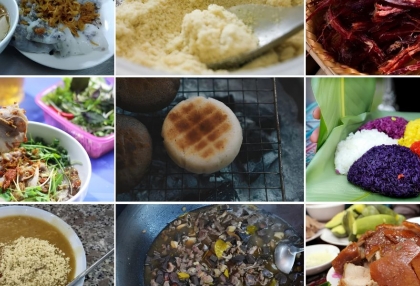
Most meals on the Loop are taken at homestays and small local restaurants, where Ha Giang food such as egg rice rolls, thang co and smoked buffalo is served. Drinks, extra nights and optional activities such as the Nho Que River boat trip are usually paid separately on both trips.
When should travelers visit Sapa and Ha Giang?
Spring and autumn bring the most comfortable weather in both regions. Vietnam Tourism highlights March to May and September to November for Sapa, when the weather is mild and the rice terraces turn green and then gold. Ha Giang weather is most comfortable from March to April and from September to November, with peach, plum and mustard flowers in spring.
Buckwheat flowers cover the Ha Giang hills from October to December, and the annual buckwheat flower festival usually takes place in mid to late November. Summer rain from June to August makes Sapa trails muddy and can affect mountain roads in Ha Giang, while winter brings cold nights and frost at altitude in both regions.
Which one fits each travel style, Ha Giang or Sapa?
Sapa fits travelers who want walking, village homestays and a short trip with one base. Ha Giang fits travelers who want a road journey through mountain towns and are comfortable with long days on the road. For many travelers, the choice between Ha Giang or Sapa comes down to the number of days available and the preferred way to travel.
Families and older travelers often find Sapa easier, since the walks can be shortened and the hotel stays the same. Ha Giang by jeep works for groups who prefer a car, while the Ha Giang Loop map shows how the overnight towns connect along the route.
What Beka tours are listed for Sapa and Ha Giang?
Beka lists five Sapa tours, starting from $30 for walks of half a day to Cat Cat or to Y Linh Ho, Lao Chai and Ta Van. Trekking with a bungalow night starts from $45, and the Fansipan cable car tour from $59. A Sapa trekking tour of 2 days 1 night with a hotel stay and transfers from Hanoi starts from $99.
Beka arranges Ha Giang Loop tours with local partners in small groups, with starting prices of $135, $175 and $205 per person for 2, 3 and 4 days. Each easy rider Ha Giang Loop tour also has a self-driving option, some routes add a jeep option, and the night count includes the sleeper bus from Hanoi.
Frequently asked questions
Is Ha Giang better than Sapa?
Neither is better for every traveler, because the two regions offer different trips. Sapa suits travelers who want village walks and rice terraces from one base in 2 or 3 days. Ha Giang suits travelers who want a road journey of 3 or 4 days through limestone passes, canyons and mountain towns.
Can I do Sapa and Ha Giang in one week?
Yes, a week can cover both regions with about 2 days in Sapa, 1 transfer day and a Ha Giang Loop of 3 days. The plan still needs time for the bus from Hanoi and the return journey, leaving little room for extra stops or bad weather days.
Can I visit Ha Giang without riding a motorbike?
Yes. Travelers can join the Loop with an easy rider, a local driver who handles the motorbike, or choose a jeep that carries up to 4 passengers on selected routes. Both options remove the need to drive, although the trip still involves several hours a day on winding mountain roads.
Is there a train to Ha Giang?
No. Ha Giang has no passenger railway, so travelers from Hanoi go by sleeper bus, limousine van or private car in about 5 to 8 hours. Trains to the north stop in Lao Cai, which serves Sapa, and a road transfer of about one hour continues from there to Sapa town.
Which is better for families, Ha Giang or Sapa?
Sapa is usually easier for families, since walks can be shortened and the group can keep the same hotel for the whole stay. Ha Giang involves long road days and a new homestay each night. Families who choose Ha Giang can travel by jeep on selected routes instead of by motorbike.
Is Sapa too touristy?
Parts of Sapa get busy, mainly the town center, Cat Cat village and the Fansipan cable car at weekends and on public holidays. Trekking routes further into the Muong Hoa Valley and homestay nights in villages such as Ta Van are quieter, giving a different experience from the town itself.