



 Ha Giang
Lo Lo Chai Village: Culture, Homestays and How to Visit
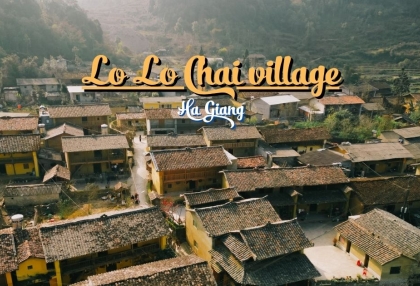
Lo Lo Chai Village near Lung Cu Flag Tower, a UN Tourism Best Tourism Village 2025, with Lo Lo culture, earthen homestays and Ha Giang Loop access.
The right Ha Giang loop packing list is short and practical: light layers, rain gear, riding protection, documents, cash and a few small essentials. If you are wondering what to pack for Ha Giang loop, bring enough for the road and not your whole Vietnam trip. Mountain weather changes fast, and every extra kilogram makes the motorbike harder to handle.
Quick answer: Pack one soft bag of 20 to 30 liters with quick-dry clothes, a warm layer, a two-piece rain suit, closed shoes, gloves, sunscreen, a power bank, some cash and your documents. Leave the suitcase in Ha Giang City.
Use this table as a checklist before leaving Ha Giang City. Each item is explained in the sections below.
| Category | What to pack |
|---|---|
| Clothing | 2-3 quick-dry T-shirts, 1-2 long-sleeve tops, 1-2 pairs of long pants, fleece, underwear, socks |
| Rain protection | Two-piece rain suit, bag cover, dry bag |
| Riding gear | Helmet, gloves, closed shoes, sunglasses |
| Sun and dust | Sunscreen, lip balm, neck buff |
| Documents | Passport, home driver's license, valid IDP if riding |
| Money | Vietnamese dong in small notes |
| Electronics | Phone, charging cable, power bank |
| Navigation | Offline map, translation app, local SIM |
| Health | Personal medicine, bandages, motion-sickness tablets, mosquito repellent |
| Personal items | Toiletries, swimsuit, microfiber towel, earplugs, toilet paper |
The loop crosses high passes, deep valleys and remote villages, so conditions can change within a single day. Packing light is the easiest way to stay comfortable on the road.
A soft bag of 20 to 30 liters is enough for a 3 day Ha Giang loop tour or a longer 4 days 3 nights trip. A backpack or duffel works better than a rigid suitcase because it can be strapped behind the rider or carried on your back. On an easy rider tour, the bag usually rides on the back of the motorbike, so a lighter bag is still better.
Pack in layers instead of full outfits. Roll the clothes tightly and put them in one or two waterproof bags, with the items needed on the road, such as rain gear and sunscreen, on top. Food, large toiletry bottles and extra shoes are not needed, because towns and villages along the main route have basic shops, restaurants and pharmacies.
See more: Ha Giang Travel Guide: Ha Giang Loop, Map and Tips
Layering is the easiest way to handle the climate. A morning can be cold and foggy on a high pass, while the afternoon turns warm in a lower valley.
For a 3 days 2 nights trip, bring 2 to 3 quick-dry T-shirts, 1 to 2 long-sleeve tops, a fleece or light sweater, a windproof jacket and 1 to 2 pairs of long pants. Add 3 to 4 pairs of socks and underwear. Quick-dry fabric washes and dries faster than cotton, and long sleeves protect against sun, wind and small stones on the road.
Skip jeans, thick jackets and anything bulky. Heavy clothes take up space and stay wet for a long time after rain.
Evenings do not need a separate wardrobe. A clean T-shirt, light pants and a warm layer are enough. Add a swimsuit and a small microfiber towel if the route includes a swim near Du Gia, and light sandals for walking around homestays.
Rain can arrive within minutes, even after a clear morning on a Ha Giang motorbike tour. A two-piece rain suit works much better on a motorbike than a thin poncho, which flaps and tears at speed. A rain cover or waterproof liner for the bag completes the set.
Keep one complete dry outfit in a dry bag. Put the passport, phone and power bank in a waterproof pouch as well, because a cover on the outside of the bag does not always stop water from getting in.
Self-riders should treat protection as the most important part of any Ha Giang packing list. A good helmet, gloves, long pants and closed shoes with a firm grip are the basics. Sunglasses or riding glasses and a neck buff are useful additions, and so are knee and elbow guards if available. Many rental shops provide a basic helmet, but a helmet of your own gives a better fit.
Passengers on a Ha Giang easy rider tour need less equipment. Check what the tour provides, and bring gloves and closed shoes if they are not included.
See more: Ha Giang Motorcycle Rental and Self-Drive Guide
Carry your passport, home driver's license, rental papers and travel insurance details. Vietnam only recognizes International Driving Permits issued under the 1968 Vienna Convention, and the permit must cover motorcycles. Permits issued under the 1949 Geneva Convention are not accepted, which affects riders from countries such as the US and Canada.
Travel insurance often rejects motorbike claims when the license is not valid in Vietnam. Traffic rules and fines changed on January 1, 2025, so check the current requirements before riding.
See more: Ha Giang Loop Permit, Safety and Travel Insurance Guide
ATMs are mostly in larger towns, so withdraw Vietnamese dong in small notes before leaving Ha Giang City. Cash covers parking, snacks, entrance fees and small shops.
Mobile signal can drop in remote valleys. Download an offline map and a Vietnamese language pack before the trip, and consider a local SIM, since Viettel usually has the strongest coverage in the mountains. Navigation and photos drain a battery quickly, so a power bank of 10,000 mAh or more is worth carrying.
Dust is common on dry, unpaved or repaired sections. A neck buff protects the face from dust and wind, and sunglasses keep dust out of the eyes. The sun is stronger at altitude, so sunscreen and lip balm are worth packing.
A small health kit is enough: personal medicine, bandages, stomach tablets, motion-sickness tablets and mosquito repellent. Wet wipes and hand sanitizer help at lunch stops, and roadside toilets often have no paper, so carry a little. Earplugs help in villages where roosters start before sunrise.
The core list stays the same all year. Only the layers change, so check the forecast before each day of riding.
Temperatures often stay between 5 and 15°C, and high passes can get close to freezing. Add thermal base layers, warm socks, gloves, a beanie and a thicker jacket.
The weather is mild and mostly dry, at roughly 12 to 28°C. Light layers, a warm layer for mornings and a rain jacket are enough.
This is the hot, humid and wettest part of the year, and July is often the rainiest month. Choose breathable quick-dry clothing, strong rain protection and dry bags. Heavy rain can cause landslides on mountain roads.
Mornings are cool and afternoons are warmer, at roughly 10 to 25°C. Pack layers and a rain jacket. This is the most popular period, with golden rice fields in October and buckwheat flowers in November.
See more: Ha Giang Weather by Month: Best Time to Do Ha Giang Loop
Many travelers search for "Ha Giang loop what to do with luggage" before the trip, and the answer is simple: do not take the suitcase. Large bags are hard to strap onto a motorbike and make the bike heavy in tight bends. The usual solution is to leave the main luggage in Ha Giang City and take only the soft bag.
Ask your hotel, hostel, tour operator or motorbike rental shop whether they can store luggage during the loop. Many do, but conditions differ, so confirm the arrangement and the storage period before leaving.
Keep the passport, cash and phone with you, because these are needed on the road.
See more: Bus Hanoi to Ha Giang: Sleeper Bus, Price and Departure Time
Pack quick-dry layers, a warm layer, a two-piece rain suit, closed shoes, gloves, sunscreen, cash, documents, a phone and a power bank in one soft bag.
A soft bag of 20 to 30 liters is enough for 3 to 4 days. A rigid suitcase is too bulky for a motorbike.
Yes. High passes feel much colder than the valleys, and mornings can be cold in any month. A fleece and a windproof jacket are useful all year.
Yes. Mountain showers can start without warning, and wet clothes make the ride cold. A two-piece rain suit and a waterproof pouch for documents are the safest choice.
Usually yes. Many hotels, hostels and tour operators offer luggage storage, but conditions differ, so confirm before leaving.
Most rental shops offer a basic helmet. Quality and fit vary, so bring your own helmet and gloves if possible.
If you ride yourself, you need a license that is valid in Vietnam. Check that your IDP follows the 1968 convention and covers motorcycles.
A light bag makes the ride easier, and so does a local expert on the road. Beka Travel runs the Ha Giang loop tour in versions of 2, 3 and 4 days with local easy riders, so you can enjoy the views from the back seat while an experienced driver handles the bends. Send us your travel dates and group size, and our team will suggest the right route and answer your packing questions.
See more: Ha Giang Loop vs Cao Bang Loop: Which Route Should You Ride?
See more: Ha Giang loop tour with easy rider
Ha Giang
Lo Lo Chai Village near Lung Cu Flag Tower, a UN Tourism Best Tourism Village 2025, with Lo Lo culture, earthen homestays and Ha Giang Loop access.
 Ha Giang
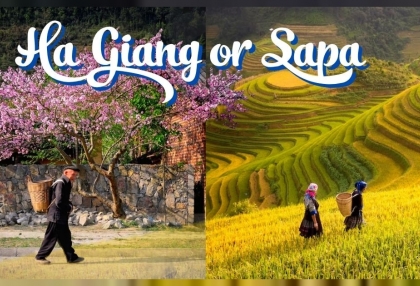
Ha Giang vs Sapa compares Hanoi transfers, itineraries of 2 to 4 days, landscapes, seasonal highlights and Beka's listed tour choices.
 Ha Giang
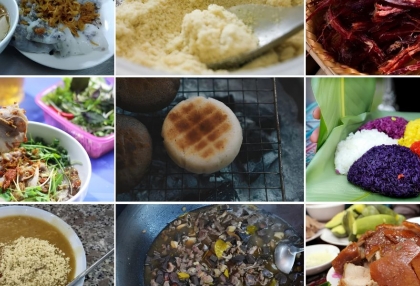
Ha Giang food from egg rice rolls to thang co, with market days, places to eat, vegetarian options, meal price references and food safety advice.
 Ha Giang
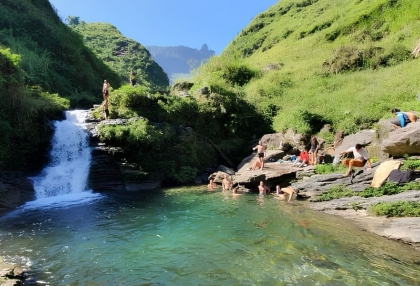
Ha Giang waterfall guide to five stops on and off the Loop, with Du Gia swimming advice, western detours, seasonal conditions and practical travel tips.
 Ha Giang
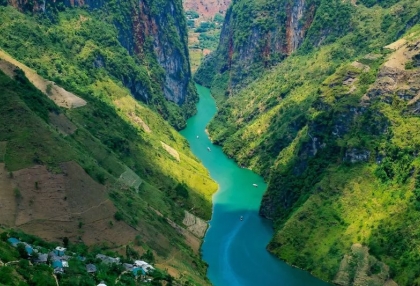
Plan a Nho Que River Ha Giang boat trip through Tu San Canyon with ticket prices, dock access, safety advice and the best months to see the green water.
 Ha Giang
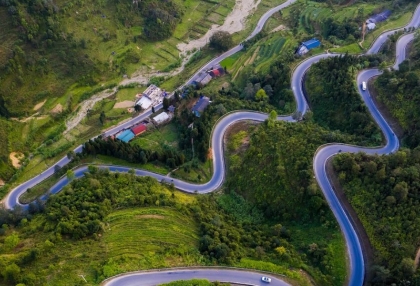
Ma Pi Leng Pass in Ha Giang: panorama viewpoints, the Ha Giang Skywalk, the Nho Que River view, how to get there, road safety and when to go.
 Ha Giang
Compare the Ha Giang loop and the Cao Bang loop by scenery, main stops, road difficulty, crowds and best season, with transport between the two and suggested routes for 2 to 8 days.
 Ha Giang
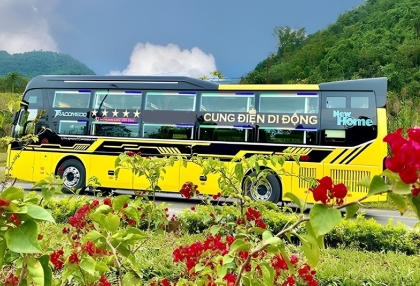
Plan your Ha Giang to Ninh Binh trip with bus options, travel time, distance, Hanoi connections, private car prices and practical tips.
 Ha Giang
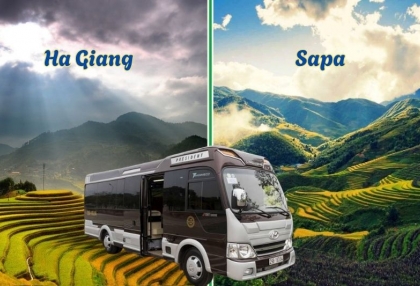
Compare travel time and price for the bus, motorbike and private car routes from Ha Giang to Sapa, plus the exact distance and FAQs on the Ha Giang loop.
 Ha Giang
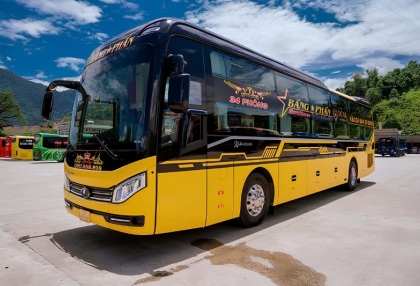
Hanoi to Ha Giang is about 300 to 320 km and takes 5 to 8 hours by road. The overnight sleeper bus costs about 250,000 to 300,000 VND and arrives before dawn.
