



 Ha Giang
Lo Lo Chai Village: Culture, Homestays and How to Visit
Lo Lo Chai Village near Lung Cu Flag Tower, a UN Tourism Best Tourism Village 2025, with Lo Lo culture, earthen homestays and Ha Giang Loop access.
Traveling Ha Giang to Sapa takes around 5-8 hours, depending on your transport and route. Direct buses, motorbikes and private cars connect the two destinations, so you do not need to return to Hanoi. Keep reading to compare the routes, current travel times, prices and the easiest way to plan your journey.
The road distance from Ha Giang to Sapa is approximately 206-250 km, depending on your exact starting point in Ha Giang and final destination in Sapa.
By direct bus or private car, the journey usually takes around 5-7 hours. A motorbike trip can take longer because most travelers stop at viewpoints, villages and scenic areas along the way.
If you are planning the Sapa to Ha Giang journey, the distance and travel time are similar, although the route and road conditions can affect the actual journey.
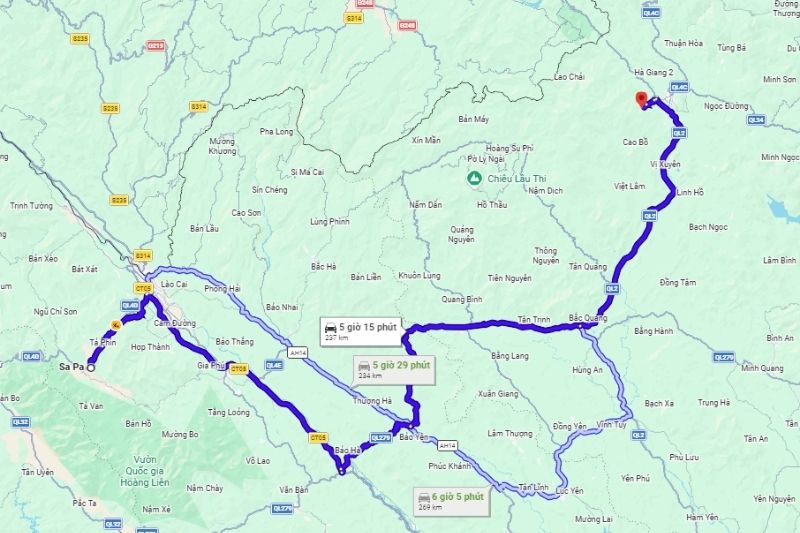
The Ha Giang Sapa route has three practical transport options: bus or limousine, motorbike, and private car. Each one has a different balance of cost, comfort and flexibility.
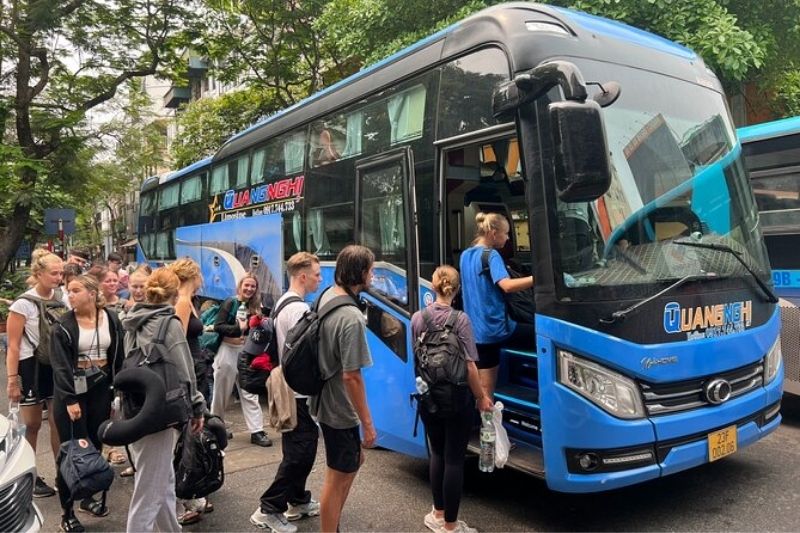
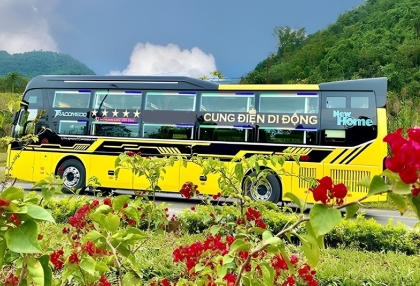
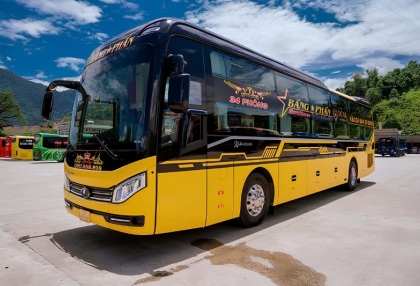
A direct Ha Giang to Sapa sleeper bus or limousine is the easiest way to cover the route. Sleeper buses have reclining berths for resting during the ride, while limousine vans use individual seats for a smaller group experience.
Typical journey:
A Sapa to Ha Giang bus runs on a similar schedule in the opposite direction, so the same operators cover both legs without a transfer in Hanoi.
Pickup points vary between operators. Some collect passengers from hotels, while others use a central bus office, so confirming the pickup location before booking avoids confusion.
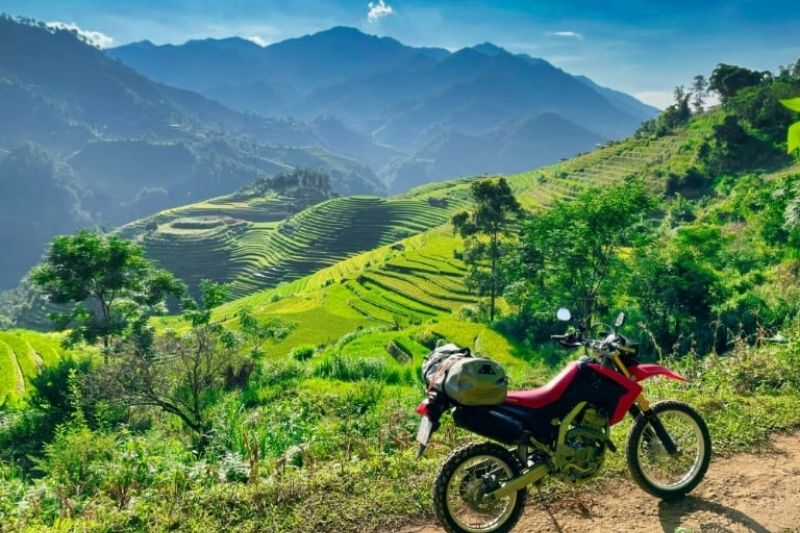
Riding a motorbike turns the Ha Giang to Sapa transfer into a scenic trip rather than a simple transfer. Riders can stop at viewpoints, villages and roadside cafes along the way, which suits travelers who already know the mountain roads from the Ha Giang loop tour.
Typical journey:
Mountain roads between Ha Giang and Sapa include steep sections, sharp bends and changing weather. A valid motorcycle license, an accepted International Driving Permit and the Ha Giang loop permit are required documents for this border region.
Riders who do not want to arrange these documents themselves can rent through a Ha Giang motorcycle rental shop instead of self-organizing the paperwork.
Riders should avoid night travel and allow extra time for mountain weather, since fog and rain reduce visibility quickly.
A private car suits families, couples and small groups who want a direct transfer without a shared schedule. The driver can collect passengers from a hotel or homestay in Ha Giang and drop them directly at a hotel in Sapa.
Typical journey:
A private car costs more than a shared bus, but the price covers the whole vehicle rather than a single seat. The total price per car is often reasonable for a group of three or four.
| Option | Travel time | Typical cost | Best for |
|---|---|---|---|
| Sleeper bus | 6-7 hours | 300k-400k/person | Budget travelers |
| Limousine | 6-7 hours | 300k-400k/person | Comfortable shared travel |
| Motorbike | 6-8+ hours | 150k-300k/day + fuel | Experienced riders |
| Private car | 5-6 hours | From 3m VND/car | Families and small groups |
The right option depends mainly on budget, comfort and how much time travelers want to spend on the road.
A bus or limousine fits a simple, affordable transfer for travelers who do not want to ride a motorbike.
A motorbike fits experienced riders who want to explore the scenery rather than just reach the next town, especially after finishing a Ha Giang tour by motorbike.
A private car fits travelers who value flexibility, hotel pickup and comfort, particularly when traveling with several people.
Ha Giang and Sapa offer different experiences in northern Vietnam.
Sapa is known for mountain scenery, rice terraces, trekking and Fansipan, along with a wide range of established tourist services.
Ha Giang is known for dramatic mountain roads, deep valleys, ethnic villages and the Ha Giang loop. Our guide to Ha Giang covers the main attractions and routes in more detail.
Visiting both destinations is common. A typical route starts with a bus from Hanoi to Ha Giang, explores Ha Giang first and then continues directly to Sapa. Others travel the same route in the opposite direction.
The road distance is about 206 to 250 km, depending on the exact starting and finishing points.
A direct bus or private car usually takes 5 to 7 hours. A motorbike trip takes about 6 to 8 hours or longer with stops.
Yes. Sleeper buses, VIP cabins and limousine services run directly between Ha Giang City and Sapa.
A sleeper bus or limousine fare is about 300,000 to 400,000 VND per person, though prices vary by operator.
Most direct services take 6 to 7 hours, though traffic, weather and pickup stops can extend the journey.
No. The Ha Giang loop starts and finishes around Ha Giang City, so a Sapa to Ha Giang loop combination needs a separate transfer between the two towns.
Sleeper bus, VIP cabin, limousine, private car and motorbike all connect Sapa and Ha Giang directly. A direct bus usually takes 6 to 7 hours.
A bus suits travelers who prefer not to ride mountain roads. A motorbike suits experienced riders who want to stop and explore along the way.
Yes. After finishing the loop, a direct bus, limousine, private car or motorbike can continue to Sapa instead of returning to Hanoi.
No direct train connects Ha Giang and Sapa. Overland transport is the only practical option.
Ha Giang and Sapa combine two sides of northern Vietnam in one trip. Riders finishing an easy rider Ha Giang loop can continue straight to Sapa without a stop in Hanoi.
Ha Giang
Lo Lo Chai Village near Lung Cu Flag Tower, a UN Tourism Best Tourism Village 2025, with Lo Lo culture, earthen homestays and Ha Giang Loop access.
 Ha Giang
Ha Giang vs Sapa compares Hanoi transfers, itineraries of 2 to 4 days, landscapes, seasonal highlights and Beka's listed tour choices.
 Ha Giang
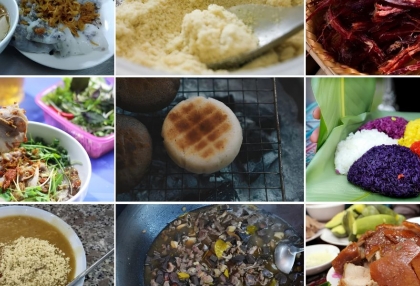
Ha Giang food from egg rice rolls to thang co, with market days, places to eat, vegetarian options, meal price references and food safety advice.
 Ha Giang
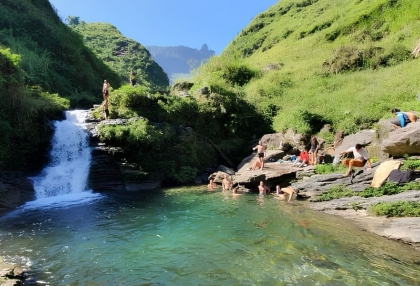
Ha Giang waterfall guide to five stops on and off the Loop, with Du Gia swimming advice, western detours, seasonal conditions and practical travel tips.
 Ha Giang
Plan a Nho Que River Ha Giang boat trip through Tu San Canyon with ticket prices, dock access, safety advice and the best months to see the green water.
 Ha Giang
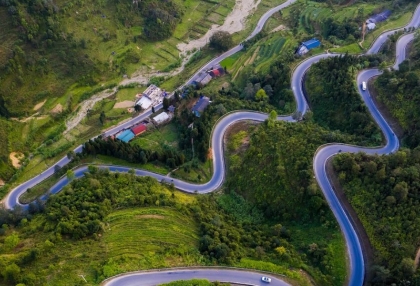
Ma Pi Leng Pass in Ha Giang: panorama viewpoints, the Ha Giang Skywalk, the Nho Que River view, how to get there, road safety and when to go.
 Ha Giang
Ha Giang loop packing list: what to pack, how to pack, riding gear, rain protection, documents and what to do with luggage.
 Ha Giang
Compare the Ha Giang loop and the Cao Bang loop by scenery, main stops, road difficulty, crowds and best season, with transport between the two and suggested routes for 2 to 8 days.
 Ha Giang
Plan your Ha Giang to Ninh Binh trip with bus options, travel time, distance, Hanoi connections, private car prices and practical tips.
 Ha Giang
Hanoi to Ha Giang is about 300 to 320 km and takes 5 to 8 hours by road. The overnight sleeper bus costs about 250,000 to 300,000 VND and arrives before dawn.
