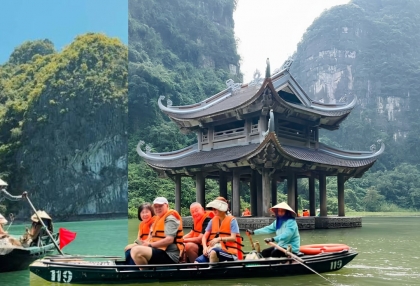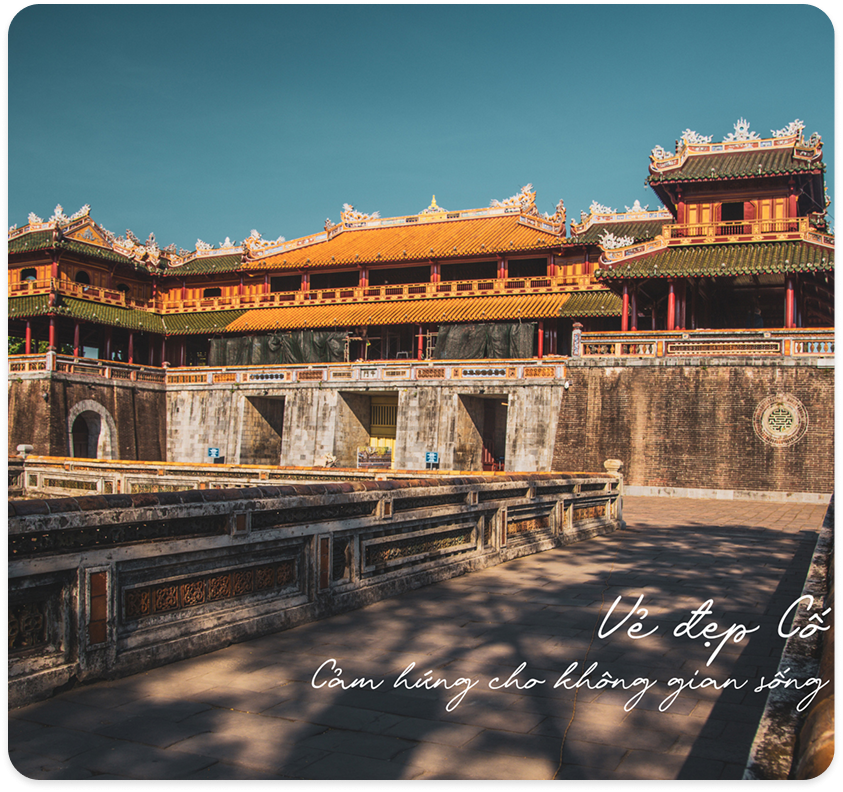

Halong Bay is a spectacular limestone seascape in northeastern Vietnam, in Quang Ninh Province on the Gulf of Tonkin. Famous for its thousands of limestone islands, caves and emerald waters, it has been a UNESCO World Heritage site since 1994. For a broader planning overview, see our Halong Bay travel guide.

Halong Bay overview
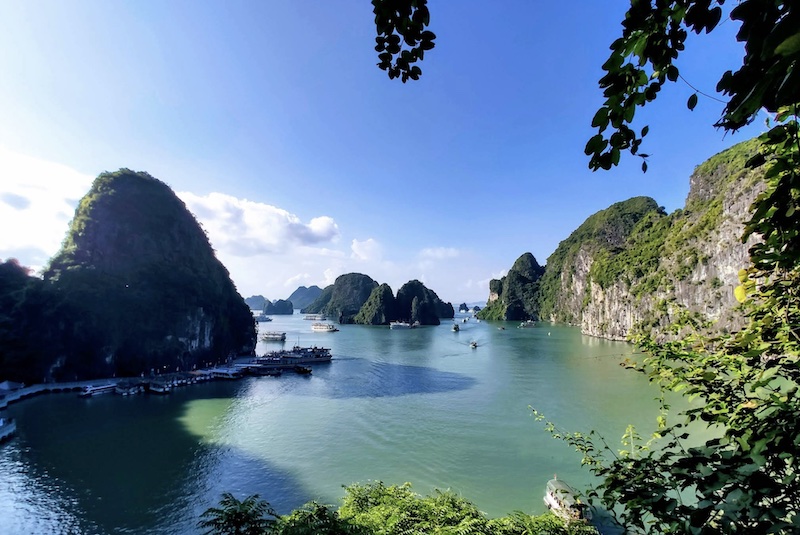
What is Halong Bay? It is a UNESCO World Heritage site in northeastern Vietnam, in Quang Ninh Province, and the name translates as the bay of descending dragons. Nearly 2,000 limestone karsts and islets rise sharply from calm, emerald-green water, hollowed here and there into caves and grottoes.
Vietnam Halong Bay covers roughly 1,553 square kilometers and receives millions of visitors a year, most of them for overnight cruises, kayaking and cave exploration. It is also part of a larger World Heritage property, and since 2023 the official UNESCO Halong Bay listing has been called Ha Long Bay and Cat Ba Archipelago. That boundary is tighter than the bay as a geographic area, which is why published facts about Halong Bay differ between sources.
| Halong Bay facts | Quick information |
|---|---|
| Location | Quang Ninh Province and Hai Phong City |
| Landscape | Limestone karst islands, caves and sea |
| Distance from Hanoi | About 160 to 170 km by road |
| Total bay area | About 1,553 square kilometers |
| Islands and islets | 1,969 in the wider bay, 1,133 inside the heritage boundary |
| Heritage property | 65,650 ha |
Where Halong Bay is and how it was formed?
If you are asking where is Halong Bay in Vietnam, the answer is northeastern Vietnam, on the Gulf of Tonkin. The traditional Ha Long Bay Quang Ninh Vietnam area sits on the mainland side of the water, with Bai Tu Long Bay continuing to the northeast and the Cat Ba Archipelago, which holds Lan Ha Bay, lying to the southwest.
On a Halong Bay Vietnam map, look for Ha Long City and the coastal waters around it, at approximately 20.83 degrees north and 107.16 degrees east. How deep is Halong Bay? Mostly under 10 meters, with the deepest channels around 30 meters.
How was Halong Bay formed? The bay took over 500 million years to form under changing environmental conditions, followed by roughly 20 million years of tropical karst evolution, with wind and water hollowing out the caves along the way. Most of the islands are uninhabited pillars of rock topped with thick jungle, and Halong Bay history as a settled place runs back thousands of years, with archaeological evidence found in several caves.
What the name Halong Bay means in Vietnamese and Chinese
In Vietnamese, Ha Long means descending dragon, and the name comes from a legend told all along this coast. When Vietnam was defending itself against invaders, the gods sent a mother dragon and her children down to protect the land, and the dragons spat out pearls that turned into jade stone islands, forming a wall that smashed the invading ships.
As the dragons swept their tails they carved out the valleys and gorges, then chose to stay on earth, and the water flooded in around them to leave the landscape seen today. Halong Bay in Chinese is commonly written Xia Long Wan, carrying the same descending dragon meaning, and the Halong Bay English translation is usually given as Descending Dragon Bay.
The best time to visit Halong Bay
The best time depends on what you want from your trip. September to November generally offers pleasant temperatures and clearer conditions for cruising, while March to May is another good period for outdoor activities.
For the month by month figures, including sea temperature and rainy days, see the Halong Bay weather guide.
June to August is hot and humid, with a higher chance of tropical storms that can affect cruises. Winter from December to February is cooler and often hazier, but can still be a good choice for sightseeing and photography.
Top attractions in Halong Bay
The main attractions are distributed across different sightseeing routes, so choosing the right route is more important than simply looking at an attraction list. Current routes include caves, islands, floating cultural sites and viewpoints, and the route your boat is licensed for is the real answer to where to go in Halong Bay.
| Route | Main attractions | Best for |
|---|---|---|
| VHL1 | Thien Cung - Dau Go - Hon Cho Da - Ba Hang - Dinh Huong | Caves and classic landscapes |
| VHL2 | Soi Sim - Ti Top - Sung Sot - Me Cung | First-time visitors |
| VHL3 | Cua Van - Tien Ong - Ba Ham Lake | Culture and quieter scenery |
| VHL4 | Thien Canh Son - Hang Thay - Cap La - Vung Vieng | Bai Tu Long scenery |
Ti Top island
Ti Top is one of the most famous Halong Bay islands, known for its small sandy beach and panoramic viewpoint. The summit requires a climb of roughly 400 steps, but the view over the surrounding karst landscape is one of the classic Halong Bay experiences. Ti Top is also currently the only beach in the core bay licensed for swimming.
Sung Sot cave
Sung Sot, or Surprise Cave, is one of the largest and most visited caves in Halong Bay. Its two enormous chambers contain extensive stalactite and stalagmite formations and are reached by a short but steep walk from the boat landing.
Thien Cung cave
Thien Cung, or Heavenly Palace Cave, is famous for its large chambers, dramatic limestone formations and colorful lighting. Local legends connect the cave with the Dragon King and a mythical wedding.
Dau Go cave
Dau Go, or Wooden Stakes Cave, has large chambers filled with stalactites and stalagmites. It is located close to Thien Cung on Bo Hon Island and is included in Route VHL1.
Luon cave
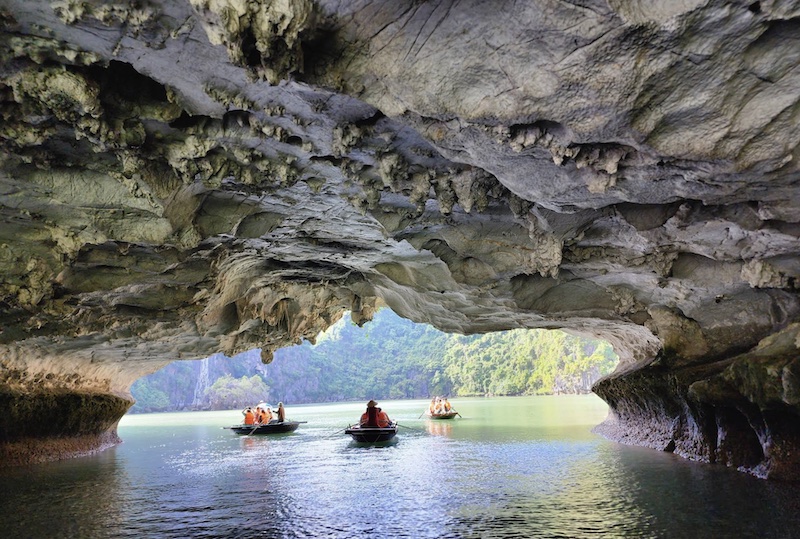
Luon Cave is a tidal tunnel beneath a limestone island leading into a quiet lagoon. Visitors normally explore it by kayak or bamboo boat rather than walking through the cave, and the route can depend on tide levels.
Thien Canh Son cave
Thien Canh Son is a smaller cave on the eastern side of the wider Halong Bay area and appears on Route VHL4. It is suitable for travelers who prefer a less concentrated sightseeing route.
Me Cung cave
Me Cung is known for its narrow entrance, multiple chambers and archaeological evidence. It is located on Route VHL2 together with Sung Sot and Ti Top.
Cua Van floating village
Cua Van was historically one of the best-known floating fishing villages in the bay, and it remains the Halong Bay floating village most itineraries include. Today, visitors can see the floating cultural center and learn about traditional fishing life. It belongs to Route VHL3.
Trong Mai islet
Trong Mai, or Fighting Cocks Islet, consists of two limestone formations facing each other and appearing to touch at the base. It is one of the most recognizable photographic symbols of Halong Bay Vietnam.
Tuan Chau island
Tuan Chau is the main tourism and cruise gateway for many Halong Bay trips. The island has a large marina, accommodation, restaurants and entertainment facilities.
Bai Tho mountain
Bai Tho Mountain rises above Ha Long City and has traditionally been one of the best viewpoints over the bay. Access conditions can change, so travelers should check whether the hiking route is officially open before attempting the climb.
Bai Chay beach and night market
Bai Chay is the main tourist district of Ha Long City, with a long beach, hotels, restaurants and entertainment. The Halong Bay night market is an easy addition to an evening in the city, and for another elevated experience, the Queen Cable Car Halong Bay line crosses Cua Luc Bay and connects to the Sun World complex.
Things to do in Halong Bay
The best things to do in Halong Bay combine natural sightseeing with activities on the water. Your exact options depend on the route and cruise itinerary, so what to do in Halong Bay is decided partly before you board.
Halong Bay excursions draw on the same short list of activities described below, which means the trip length and the route matter more than the activity menu itself.
Kayaking in Halong Bay
Halong Bay kayaking is one of the best ways to get close to the limestone formations. Approved kayaking areas include Luon Cave, Ba Hang, Cua Van and several other sites, and sessions commonly last around 45 to 60 minutes.
For a Halong Bay kayaking tour, check whether kayak rental is included in your cruise price because it is separate from the sightseeing entrance fee. Kayaking in Halong Bay price varies by operator and by whether a guide paddles with the group.
Taking a bamboo boat in Halong Bay
A bamboo boat Halong Bay experience is ideal if you prefer to sit back while a local rower takes you through a lagoon, cave entrance or floating village. It is particularly common at Luon Cave and village sites.
Visiting a pearl farm in Halong Bay
A pearl farm Halong Bay visit introduces travelers to oyster cultivation, pearl extraction and traditional marine farming. Some eastern routes include pearl-farming experiences, particularly around Vung Vieng, where Halong Bay pearls are also sold on site.
Swimming in Halong Bay
Can you swim in Halong Bay? Yes, but only at designated locations. Ti Top is currently the only beach in the core bay licensed for swimming from shore, while Halong Bay swimming directly from a cruise may be allowed at specific anchorages according to the itinerary.
Snorkeling and scuba diving in Halong Bay
Can you snorkel in Halong Bay? Yes, at selected sites, although the bay is not primarily known as a coral-reef destination. Marine life includes fish and other coastal species, but visibility varies with weather and water conditions, so treat Halong Bay snorkeling as a pleasant extra rather than a main reason to visit.
For Halong Bay scuba diving, check with operators before booking because diving is much less developed here than in Vietnam's dedicated dive destinations.
Hiking to the viewpoints in Halong Bay
A Halong Bay hike usually means climbing Ti Top or visiting viewpoints connected with caves and islands. Comfortable shoes are strongly recommended because many routes involve steep steps.
Jet ski and other water sports
Halong Bay jet ski and similar motorized activities are generally associated with designated beach and coastal recreation areas rather than the protected sightseeing routes themselves. Follow local operator and safety regulations.
For travelers searching Halong Bay bioluminescent experiences, note that current Halong Bay tours do not routinely offer organized night tours specifically for viewing bioluminescent plankton. If glowing water is a priority, consider a Lan Ha Bay itinerary instead, where some operators may arrange suitable night activities depending on conditions.
Get to Halong Bay from Hanoi
Halong Bay is approximately 160 to 170 km from Hanoi. The main options are shuttle bus, limousine, private car and organized tour transfer, and most road journeys now take around 2.5 to 3 hours depending on traffic and departure point. For detailed transport options, see our Hanoi to Halong Bay guide.

How many days to spend in Halong Bay?
| Trip length | Time on the bay | What you can see | Best for |
|---|---|---|---|
| 1 day | About 6 to 8 hours | Main caves, Ti Top, kayaking | Short trips |
| 2 days 1 night | About 24 to 30 hours | Caves, island, kayaking, swimming, onboard activities | First-time visitors |
| 3 days 2 nights | About 48 hours | More caves, villages and quieter routes | Slow travel |
A one-day trip covers the classic highlights, but 2 days 1 night gives you a much better balance between sightseeing and relaxation. For travelers who want more time on the water, compare the available Halong Bay cruises and choose an itinerary based on its route rather than cabin alone.
What to eat in Halong
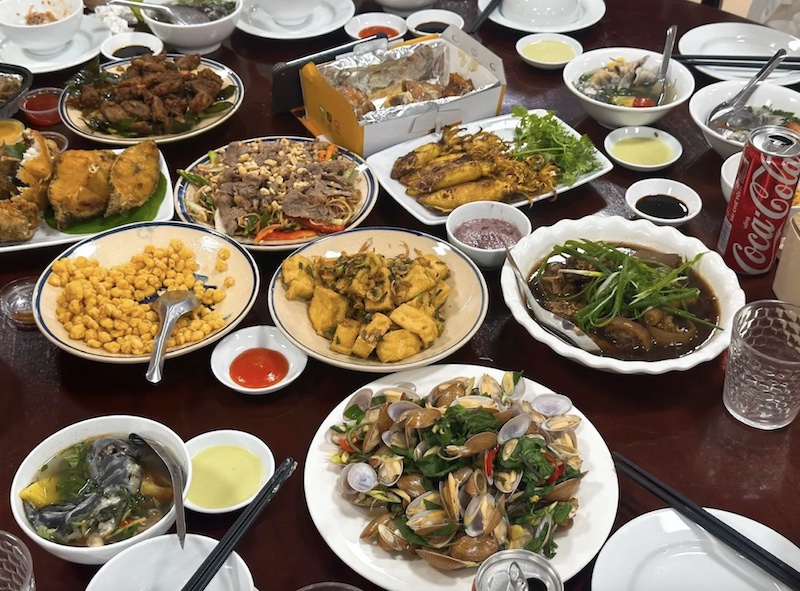
Halong is famous for fresh seafood and specialties from the Gulf of Tonkin. Try:
- Cha muc Ha Long: grilled squid paste, the city's signature dish
- Sa sung: dried or stir-fried sipunculus worms
- Sam bien: horseshoe crab prepared in local styles
- Oysters and clams: commonly grilled or steamed
- Seafood hotpot: popular for groups
- Gat gu cake: a local specialty found around Quang Ninh
Travel tips for visiting Halong Bay
What to pack for a day on the bay
Bring comfortable shoes, quick-dry clothing, sunscreen, sunglasses, a hat, swimwear, a waterproof phone pouch and a reusable water bottle. Plastic bottles are restricted on the bay, so a refillable bottle is the better choice.
Halong Bay entrance fee and what it covers
The Halong Bay entrance fee is charged according to the sightseeing route rather than simply being one universal ticket. Current 2026 rates include 250,000 VND for VHL1 and VHL2, 200,000 VND for VHL3 and VHL4, and 600,000 VND for the combined route covering all four. Overnight cruise rates are calculated separately and generally include sightseeing fees.
The sightseeing fee covers the attractions on the selected route. Activities such as kayaking or bamboo rowboats may be included in your cruise package but are not part of the basic sightseeing ticket.
Is Halong Bay safe for travelers?
Yes. Halong Bay is a well-established tourist destination, but weather conditions can affect boat operations. Always follow crew instructions, wear a life jacket during water activities and avoid swimming or kayaking outside designated areas.
Halong Bay solo travel is also common and straightforward, since shared cruises group solo travelers with others for the day without any difficulty.
Responsible travel in Halong Bay
Choose licensed operators, avoid single-use plastic, never throw waste into the water and do not touch or remove marine life. Visitor pressure and tourism development are the two challenges identified in the World Heritage management reports, which makes responsible travel especially important in this landscape.
Frequently asked questions
Is Halong Bay worth visiting?
Yes. Halong Bay is worth visiting for its exceptional limestone karst landscape, caves, islands and cruise experiences, and it is particularly worthwhile for first-time visitors to northern Vietnam. On a second visit, is Halong Bay worth it? That depends mainly on how much crowding you are willing to accept.
Is Halong Bay in Hanoi?
No. Halong Bay is not in Hanoi. It is in northeastern Vietnam, primarily associated with Quang Ninh Province. Hanoi is simply the main departure point for most travelers heading east to the coast.
Is Halong Bay a wonder of the world?
Halong Bay is a UNESCO World Heritage site, not one of the official New Seven Wonders of the World, although you will often see it listed among the 7 wonders of the world Halong Bay results online. The bay was first inscribed in 1994, recognized again for its geological value in 2000, and extended to include Cat Ba in 2023.
Anyone asking is Halong Bay one of the 7 wonders is usually thinking of the 2011 New7Wonders of Nature campaign, a public vote run by a private foundation that carries no official heritage standing.
What is Halong Bay famous for?
What is special about Halong Bay is its sea-invaded limestone karst landscape: thousands of limestone towers and islets, caves, lagoons and calm emerald waters shaped over geological time.
Is Halong Bay cruise worth it?
Yes, especially for a first visit. A cruise lets you experience the landscape from the water and combine caves, kayaking, islands and onboard activities without changing hotels every day.
Is Halong Bay crowded in peak season?
Yes. Summer weekends, public holidays and popular daytime periods can be busy, particularly around Sung Sot Cave and Ti Top. Choosing an overnight itinerary or traveling outside peak periods can provide a more relaxed experience.
Is one day enough in Halong Bay?
One day is enough for the classic highlights, but 2 days 1 night is better if you want a more relaxed cruise experience. Compare our cruise options to see how the routes and durations differ.
Planning a quieter route through Lan Ha Bay
If your priority is fewer crowds, longer time on the water and more opportunities for swimming or kayaking, consider Lan Ha Bay as an alternative. It forms part of the same World Heritage property as Halong Bay and Cat Ba following the 2023 extension, so the landscape is continuous even though the visitor numbers are not.
In 2026, official cooperation between Quang Ninh and Hai Phong has also expanded direct tourism connections between Halong Bay and Lan Ha Bay, making it increasingly practical to combine the two areas in one trip. Current departures and routes are listed on the Lan Ha Bay hub page, and the island side of the same seascape is covered in our Cat Ba Island travel guide.