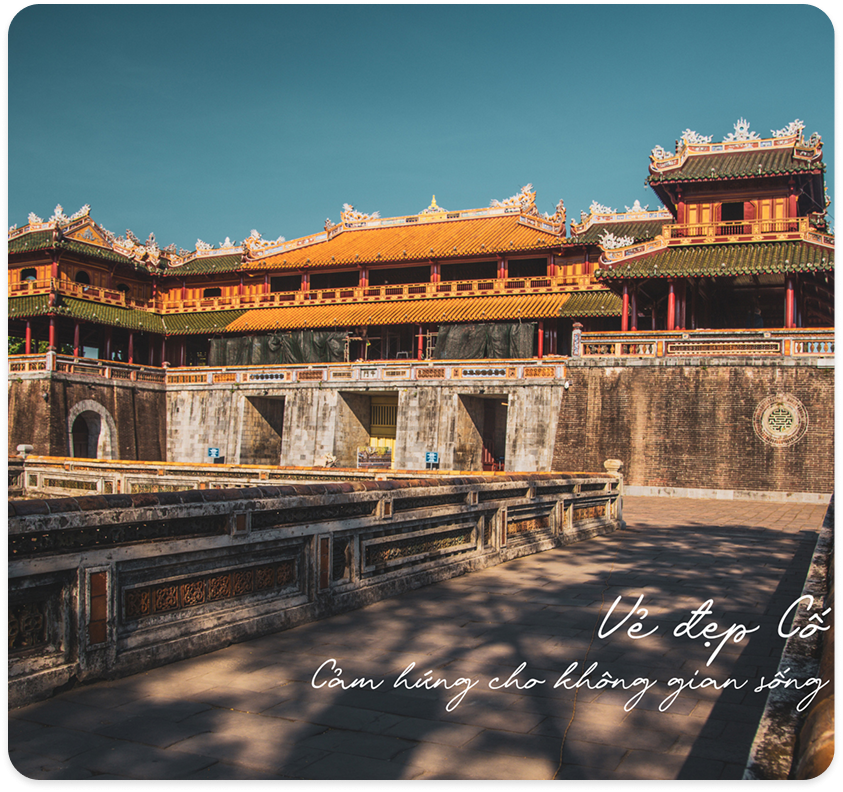

Ha Long Bay has many islands and caves, and the caves are the part of the bay travelers spend time inside rather than looking at from a deck. The Halong Bay caves range from Sung Sot, with chambers large enough to hold several hundred people at once, to Luon, which is entered by kayak through a low tunnel. This guide covers seven caves in Halong Bay Vietnam, what each one is known for and which sightseeing route includes it.
| Cave | Location | Route | Known for |
|---|---|---|---|
| Sung Sot | Bo Hon Island | Route 2 | The largest developed chambers in the bay |
| Tien Ong | Cua Van area | Route 3 | Prehistoric archaeology |
| Thien Cung | Dau Go Island | Route 1 | Lit formations and the wedding legend |
| Dau Go | Dau Go Island | Route 1 | Stone columns and the Bach Dang story |
| Luon | Bo Hon Island | Route 2 | Kayaking into an enclosed lagoon |
| Me Cung | Lom Bo Island | Route 2 | Narrow linked chambers |
| Trinh Nu | Bo Hon Island | Route 2 | Rock formation and folklore |
Sung Sot (Surprise) Cave
Sung Sot Cave, also known as Surprise Cave, is located on Bo Hon Island and is the most visited of the caves at Halong Bay. The entrance is narrow and opens into two large chambers filled with stalactites and stalagmites. French surveyors recorded the cave in 1901, and it opened to visitors in 1993.
The Halong Bay Sung Sot Cave visit begins with a climb of roughly 100 to 150 stone steps. The paved route inside runs for about 500 meters through both chambers, the second of which is high enough to feel cathedral-like. Anyone searching for the Halong Bay surprise cave is looking at the same place, since the English name is a direct translation, and the full detail is in our Sung Sot Cave guide.
Tien Ong Cave
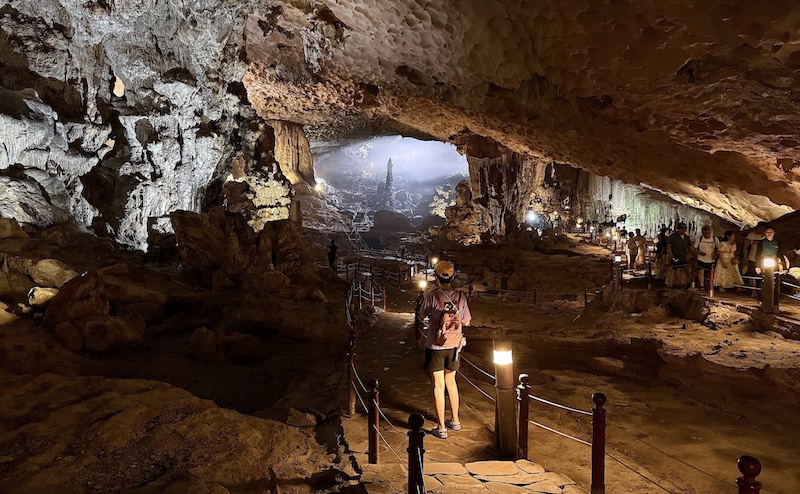
Tien Ong Cave is located on the route towards the Cua Van area and offers a different reason to visit than the other caves of Halong Bay. It has a wide entrance and one spacious chamber, and its importance comes from what was found in the floor rather than from the formations on the ceiling.
Excavations recovered stone tools, pottery fragments, animal bones and shells, evidence of prehistoric settlement associated with Ha Long culture. Travelers interested in Ha Long Bay caves history will find more here than at the larger show caves, and the cave is quieter than Sung Sot. It is included on Route 3, together with the Cua Van Floating Cultural Center and Ba Ham Lake.
Thien Cung (Heaven) Cave
Thien Cung Cave, or Heavenly Palace Cave, is located on Dau Go Island and is the most theatrical of the limestone caves Halong Bay is known for. Colored lighting picks out stalactites, stalagmites and stone curtains that are traditionally read as dragons, animals, dancers and guests at a royal wedding.
The wedding belongs to the Dragon King legend, which ties the cave to the mythology the bay itself is named after. Searches for the Halong Bay Paradise Cave usually lead here, although Paradise Cave is a separate cave in Quang Binh Province and not part of Ha Long Bay. Thien Cung is on Route 1 with Dau Go, the route fee is 250,000 VND per person, and our Thien Cung Cave guide covers the three chambers in detail.
Dau Go (Wooden Stakes) Cave
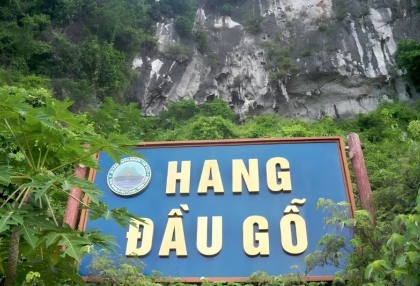
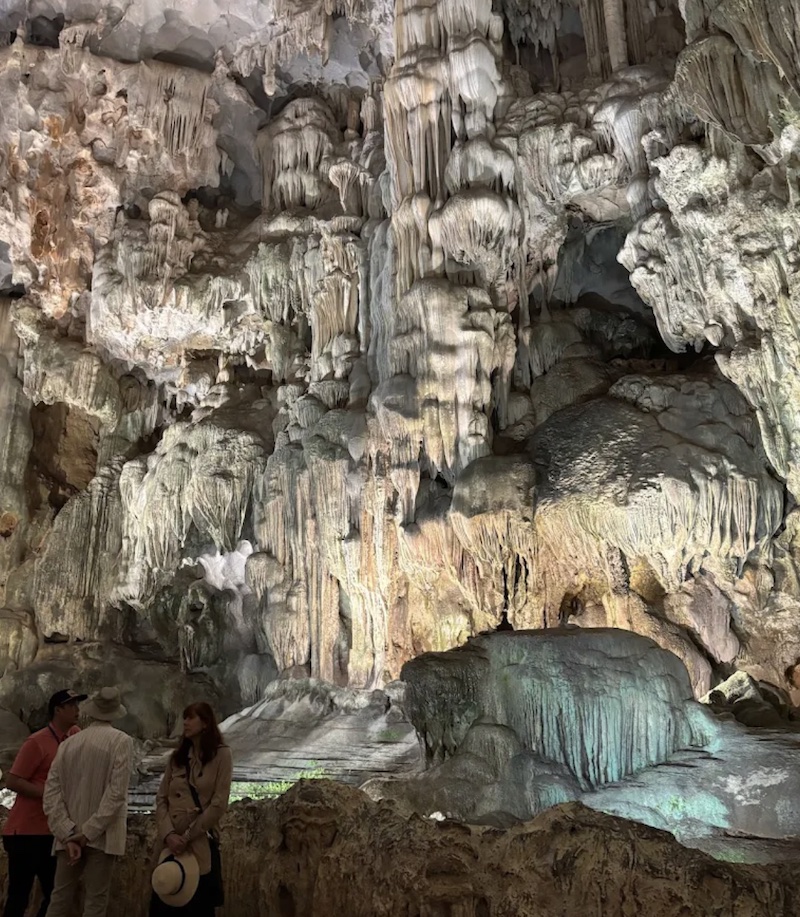
Dau Go Cave is on the same island and is normally visited in the same stop as Thien Cung. It covers roughly 5,000 square meters and has three chambers, the first bright and the deeper two progressively darker, with large stone columns and dense stalactite growth throughout.
The name means wooden stakes and is linked to the Bach Dang River battle of 1288, when Vietnamese forces used sharpened stakes against the Mongol fleet. Around 90 steps lead up to the entrance, so the visit is moderately active, and our Dau Go Cave guide covers the chambers and the history in full.
Luon (Tunnel) Cave
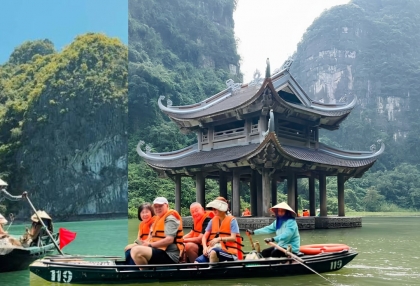
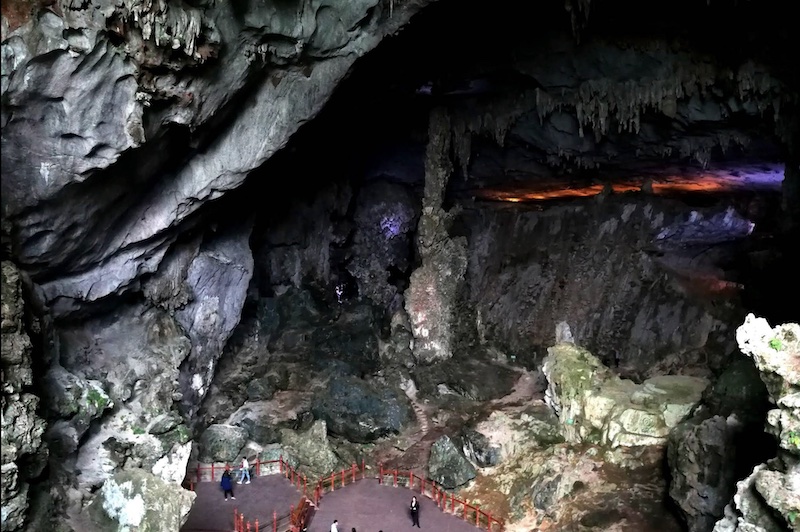
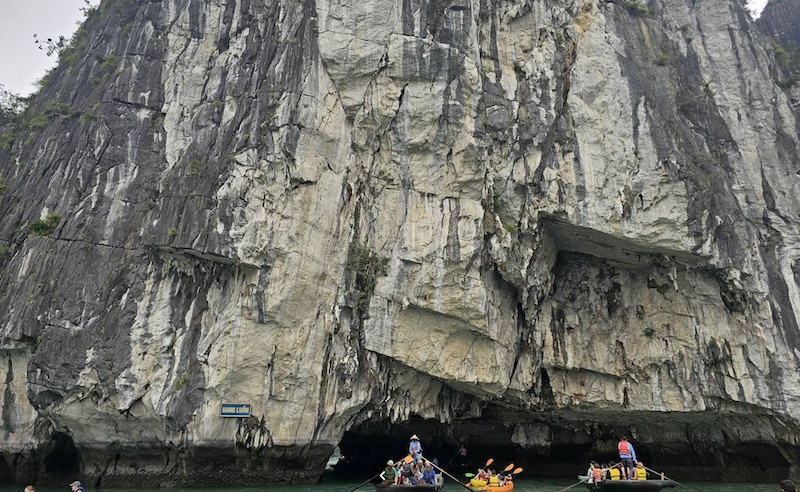
Luon Cave is the one cave in Halong Bay that is not entered on foot. The tunnel through the limestone is about 100 meters long, 4 meters wide and 3 meters high, and the clearance under the arch is low enough that only kayaks and bamboo rowboats fit through.
On the other side is an enclosed lagoon ringed by steep cliffs, which stays calm even when the open bay is choppy. Kayaking Halong Bay caves usually means this cave specifically, and a bamboo boat with a rower is the alternative for anyone who would rather not paddle. Luon is on Route 2 with Sung Sot, Me Cung, Bo Nau, Trong, Trinh Nu, Ho Dong Tien, Ti Top Island and Soi Sim Beach, and the detail is in our Luon Cave guide.
Me Cung (Maze) Cave
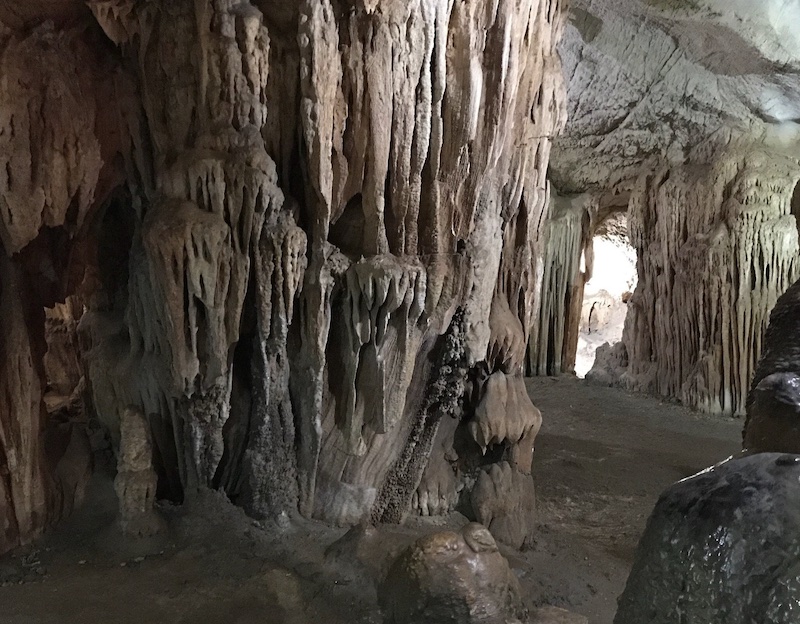
Me Cung Cave, meaning maze cave, is located on Lom Bo Island and is the least predictable of the famous caves in Halong Bay. A narrow entrance leads into a series of small linked chambers and passages rather than one open hall.
The scale is the opposite of Sung Sot, with low ceilings, tight turns and short sightlines. Archaeological material found in and around the cave adds to what is known about prehistoric life in the bay. Me Cung is on Route 2 and can be combined with Sung Sot, Luon and Trinh Nu in a single trip.
Trinh Nu (Virgin) Cave
Trinh Nu Cave is located on the Bo Hon Island range and is paired with Trong Cave across the water. The two are linked by a Vietnamese legend about a fisherman and the woman he was separated from, and each cave is named for one half of that story.
Inside Trinh Nu is a stone formation traditionally read as a woman lying with her hair flowing down. The cave is smaller than the main show caves and is visited more for the folklore and the surrounding scenery than for its chambers. It is included on Route 2.
Visiting cave travel tips
Vietnam Halong Bay caves are visited as part of a numbered sightseeing route rather than chosen individually, so planning starts with the route and not with the cave.
- Choose the route first: Route 1 covers Thien Cung and Dau Go, Route 2 covers Sung Sot, Luon, Me Cung, Bo Nau, Trong and Trinh Nu, and Route 3 covers Tien Ong. No standard day cruise reaches all seven.
- Wear shoes with grip: Sung Sot, Thien Cung, Dau Go and Me Cung all involve stairs and uneven ground that stays damp inside.
- Bring a light layer: cave interiors are cooler and more humid than the open deck of a cruise boat.
- Bring a camera, but do not touch: the lighting inside the developed caves picks out the formations, which are fragile and damaged by handling.
- Follow the guide at Luon: the arch is low, so you may need to lower your head while the boat passes under it.
- Check opening hours: according to the Ha Long Bay Management Board, Thien Cung, Dau Go, Sung Sot and Luon open 07:30 to 17:30 in summer and 07:30 to 17:00 in winter. Me Cung, Tien Ong and Trinh Nu keep slightly different hours.
- Book by route, not by cave: a Halong Bay caves tour follows one designated route, so ask which route the boat runs before booking.
Route details for each itinerary are listed with the Halong Bay cruises, and the wider planning detail is in our Halong Bay travel guide.
Caves are the one part of a Halong Bay trip that the weather cannot spoil, which makes them the safer plan in the grey months. Check the temperature in Halong Bay by month before choosing a date.
Frequently asked questions
How many caves are there in Halong Bay?
Official tourism information counts around 70 caves and grottoes within the core heritage area. Only a small number of these are developed for visitors, with lighting, walkways and a place for boats to tie up.
What are the best caves in Halong Bay?
Sung Sot for scale, Thien Cung and Dau Go for formations and legends, Luon for kayaking, Tien Ong for archaeology, and Me Cung or Trinh Nu for a quieter stop. The right choice depends on which route the cruise runs.
Which is the biggest cave in Halong Bay?
Sources differ. Some describe Dau Go as the largest limestone cave in the bay and others give that description to Sung Sot. Both are among the largest developed caves, and their character is quite different.
What is the most famous cave in Halong Bay?
Sung Sot Cave, which appears on more itineraries and receives more visitors than any other. Thien Cung and Dau Go are the main attractions on Route 1.
Which Halong Bay route has the most caves?
Route 2, which includes Sung Sot, Me Cung, Bo Nau, Luon, Trong, Trinh Nu, Ho Dong Tien, Ti Top Island and Soi Sim Beach. It is the most cave-focused of the sightseeing routes.
Is kayaking available inside Halong Bay caves?
Yes, at Luon Cave. Visitors pass through a low tunnel by kayak or bamboo rowboat and come out in a sheltered lagoon. Whether kayaks are included depends on the cruise package.
Why does Halong Bay have so many caves?
The Halong Bay caves Vietnam is known for were formed in a limestone karst landscape shaped by water and changing sea levels over millions of years. The same process produced the islands, cliffs and enclosed lagoons around them. Current cruises and routes are listed at bekatravel.com.