




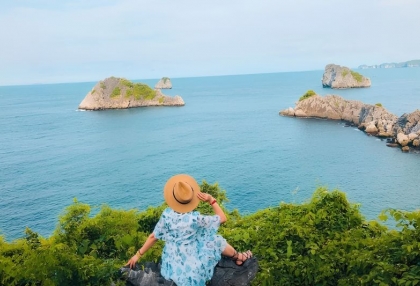
 Cat Ba - Lan Ha Bay
Monkey Island Cat Ba: What to Know Before You Go
A practical guide to Monkey Island in Lan Ha Bay: how to get there, what the monkeys are like, the viewpoint hike, and which Beka tours stop there.
Cat Ba National Park is the natural heart of Cat Ba Island, where tropical forest, limestone mountains, wetlands and marine habitats come together across one of northern Vietnam's most distinctive landscapes. For travelers who want more than beaches and a Lan Ha Bay cruise, this Cat Ba National Park guide covers hiking, wildlife watching, cave exploration and the route to Viet Hai Village.
Quick answer: Cat Ba National Park is located at the center of Cat Ba Island in Hai Phong, and it was the first national park in Vietnam to protect forest and marine ecosystems together. Entry is around 160,000 VND per person as of 2026, including Trung Trang Cave. Ten official visitor routes run from the park headquarters, with Ngu Lam Peak, Trung Trang Cave and the crossing to Viet Hai Village the most popular. November to April is generally the best window for hiking.
If you are planning to explore more than the island's forests and caves, consider adding a Lan Ha Bay cruise to your Cat Ba itinerary. It is an easy way to experience the bay's limestone islands, calm waters and hidden beaches after exploring Cat Ba National Park.
Cat Ba National Park Vietnam covers the center of Cat Ba Island in the Cat Ba Archipelago, Hai Phong, and extends across the Dau Be archipelago in Ha Long Bay. The park was established on 31 March 1986 under Decision 79/CP, and it covers 17,362.96 hectares, of which 10,912.51 hectares are island and forest and 6,450.45 hectares are sea.
The park is divided into three functional zones: a strict protection area of 5,164.67 hectares, an ecological restoration area of 12,094.35 hectares, and an administrative and services area of 103.94 hectares. This was the first national park in Vietnam created with both forest and marine ecosystems inside its boundary, which is why the Cat Ba park is treated as a reference example of tropical island ecosystems in Asia.
Its central position makes it straightforward to combine a Cat Ba Island National Park visit with Trung Trang Cave, Viet Hai Village and Lan Ha Bay. Anyone studying a Cat Ba National Park map should understand that this is not one compact trail but a network of ten official routes, caves, viewpoints and forest sections, some starting at the headquarters and others running toward Viet Hai or the northern communes.
The relationship between the national park, the archipelago and the UNESCO designation explains why this island matters internationally.
UNESCO designated the Cat Ba Biosphere Reserve in 2004, describing an archipelago of 366 limestone islands with tropical humid forest, wetlands, mangroves and coral reefs. The reserve covers 26,419 hectares, made up of 16,417 hectares of land and 10,002 hectares of sea, and the national park is located at its center. In 2025 the reserve was revalidated as a UNESCO World Biosphere Reserve after periodic review, recognizing continued work to combine conservation with community-based development.
The wider Ha Long Bay-Cat Ba Archipelago was inscribed as a UNESCO World Heritage property in 2023, when the Cat Ba Archipelago was added to the existing Ha Long Bay site. A visit to national park Cat Ba is therefore not simply a walk in a forest: the Cat Ba Biosphere Reserve and the Cat Ba World Biosphere designation both rest on this landscape, and the park is also classified as a Special National Scenic Relic.
The Cat Ba National Park entrance fee is around 160,000 VND per person as of 2026, including Trung Trang Cave, paid in cash at the gate, with motorbike parking charged separately at roughly 10,000 to 20,000 VND. There is no ATM at the entrance, so bring cash from Cat Ba Town.
Certain routes and attractions inside the park carry their own tickets, and published prices vary between sources, so confirm the exact ticket for your chosen trail when you arrive rather than relying on a figure found online. The park generally opens early in the morning and closes in the late afternoon, which matters for the longer Cat Ba National Park trails: a full crossing needs to start early enough to leave time for the return journey or onward boat.
Expect a working forest rather than a developed attraction. Trails can be steep, rocky and slippery after rain, mobile coverage weakens deeper inside the forest, and printed maps are not always available, so photograph the trail board at the entrance before setting out.
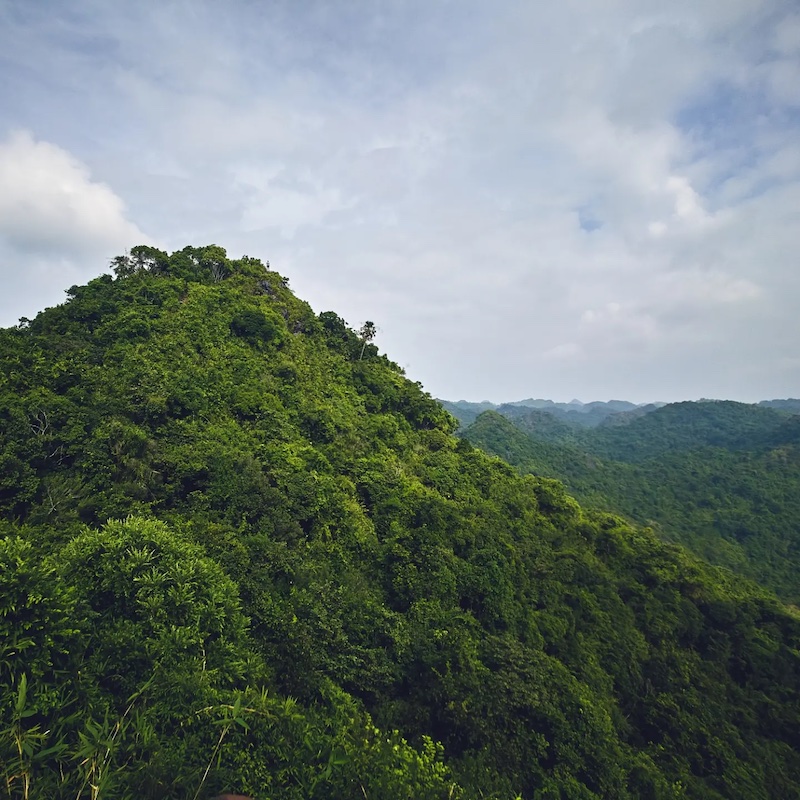
The park operates ten official visitor routes, and knowing which one you are walking is more useful than any general map.
Before setting out, settle three things: your starting trailhead, the estimated duration and how you will get back. This matters most on the one-way routes ending at Viet Hai, where returning by boat is far easier than walking back through the forest.
Biodiversity is the strongest single reason to visit. Park records list 1,595 species of vascular plants across 850 genera and 187 families, including 70 species listed as endangered or rare in the Vietnam and World Red Books. Among Cat Ba Island plants, 1,026 species have medicinal uses, 432 produce timber, and 253 are grown as ornamental or shade trees.
Animal records are equally substantial: 362 species in total, comprising 63 mammals, 209 birds, 58 reptiles and 32 amphibians, of which 58 appear in the Vietnam and World Red Books. The Cat Ba animals most adapted to limestone terrain, and the Cat Ba National Park animals visitors are most likely to notice, include the serow, macaque, porcupine and squirrel, and 401 butterfly and insect species have been recorded, a community noticeably different from the mainland because the islands limit movement between populations.
Four species new to Vietnam have been described here in recent years, among them the Cat Ba tiger gecko, published in 2008. Offshore, the park's 6,450 hectares of sea hold 196 fish species, 177 corals, 658 benthic species and three dolphin species, which is why Cat Ba wildlife is best understood as forest and sea together rather than as two separate subjects. Sightings are never guaranteed, so keep noise down, never feed animals and do not approach them.
The Cat Ba langur is the animal most closely associated with the island. Known scientifically as Trachypithecus poliocephalus, it is endemic to the Cat Ba Archipelago and survives nowhere else in the world, and the park is the only reserve anywhere that still holds populations of it.
The remaining wild population is around 70 individuals. UNESCO lists the species as a critically endangered flagship of the Ha Long Bay-Cat Ba Archipelago, and identifies tourism disturbance, habitat fragmentation and restricted gene flow as continuing threats.
The langurs live on remote limestone cliffs and are almost never seen on short visitor walks, so no guide can promise a sighting. Conservation work has helped stabilize numbers, and the useful response from visitors is simple: keep your distance, never feed animals and follow the instructions of park staff.
The park is open year-round, but weather has a major effect on the hiking experience.
November to April is the most comfortable period for hiking in Cat Ba National Park. Temperatures are lower through these months and the trails are not affected by heavy summer rain, which also means clearer visibility from viewpoints such as Ngu Lam Peak.
February, March and April suit travelers who want comfortable temperatures without summer heat, while October and November balance warm weather against lower rainfall. Our Cat Ba weather guide sets out the monthly figures behind these seasons.
May to October is hotter, more humid and much wetter. Heavy rain turns limestone trails slippery, particularly on steep sections, though the forest is at its greenest and streams run strongest through these months.
Rain does not close the park. Shorter trails often stay walkable while longer hikes need more caution, so check the forecast, trail condition and any temporary restrictions before starting a Cat Ba National Park trek. Thunderstorms matter most, because exposed viewpoints and wet limestone add real risk.
On the longer Viet Hai route, start early and carry at least 1.5 liters of water per person, along with proper footwear and sun protection.

The Ngu Lam Peak hike is the best introduction to Cat Ba National Park hiking for first-time visitors. The trail climbs through the Kim Giao forest, named after the rare ancient trees growing there, before reaching the summit.
The viewpoint is the reward. From the top, the view runs across central Cat Ba and along the Trung Trang valley, with layers of forested limestone stretching toward the coast, which makes this the most photographed Cat Ba National Park viewpoint and the source of most Cat Ba National Park photos taken by visitors.
The walk takes about an hour at a steady pace, and longer loops through the same area take several hours depending on the route. Anyone short on time can add hiking Cat Ba National Park to an itinerary this way without committing to a full-day trek. Bring water, wear shoes with grip and take the downhill sections slowly.
After taking in the views from Ngu Lam Peak, continue your Cat Ba adventure on the water with a Cat Ba cruise through Lan Ha Bay. It is a great way to see another side of the island, from limestone cliffs and hidden beaches to calm waters and small islands.
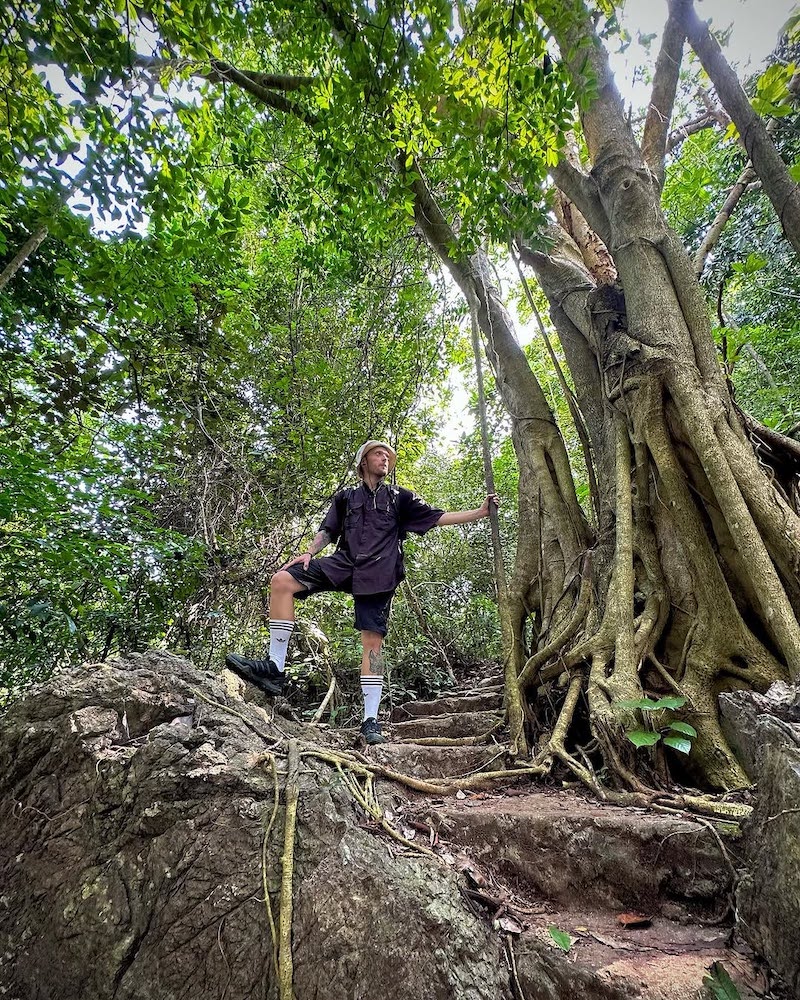
The crossing to Viet Hai is the most immersive Cat Ba National Park trek, and the route most people mean when they search for Cat Ba National Park trekking. It begins at the headquarters, follows the 2.5 km education trail, then climbs over May Bau peak with its ancient banyan tree and continues through primary forest.
The route reaches Ao Ech, a flooded forest in a limestone valley and the largest freshwater lake on the island, in about 2 to 2.5 hours from the park center. From there you can return the same way or continue to Viet Hai, the traditional community living entirely inside the park. Counting from the headquarters to the Lan Ha Bay pier, allow roughly 3 to 5 hours on foot, not including boat time.
The village is as much the point as the walk. Residents there run their own community tourism, providing meals, homestays and local experiences, and our Viet Hai Village guide covers what to do once you arrive. A guide is strongly recommended on this route, particularly for anyone unfamiliar with tropical forest terrain.
Trung Trang Cave is the most accessible attraction in the park, ten minutes on foot from the headquarters and about 1 km south of the park center, beside the road toward Cat Ba Town.
It is one of the largest caves in the Cat Ba biosphere reserve, running roughly 300 meters through the mountain, filled with stalactites in thousands of shapes and home to a resident bat colony. Tens of thousands of visitors come each year.
The cave gives cool shade and an easy contrast to the open viewpoints around Ngu Lam Peak, which makes it a good choice in the warmer months and for families who want the national park without a long mountain hike.
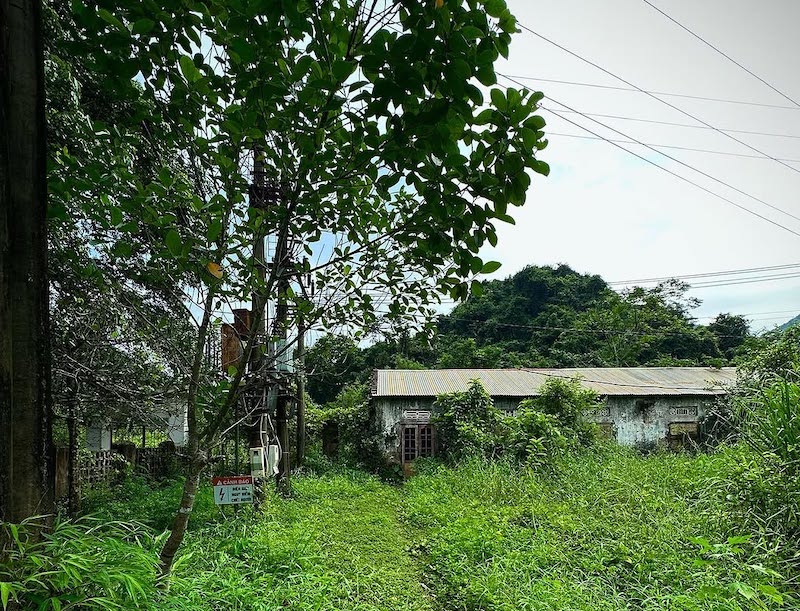
The park entrance is about 12 km from Cat Ba Town, so the answer to how to get to Cat Ba National Park is usually a short road transfer by taxi, private car or motorbike. Organized Cat Ba National Park tours normally include transport from town.
Renting a motorbike gives independent travelers the most flexibility, because the same road connects Trung Trang Cave, Hospital Cave and the rural communes. A taxi or private transfer suits families and anyone who would rather not drive, and visitors coming from elsewhere on the island should allow extra time for traffic and stops.
Viet Hai can be reached in two ways: by hiking through Cat Ba National Park or by boat across Lan Ha Bay to Viet Hai Pier. For a more memorable experience, hike one way through the forest and take a boat back to Cat Ba Town. Check the latest departures and prices on our Lan Ha Bay tour page.
Entry is around 160,000 VND per person as of 2026, including Trung Trang Cave, paid in cash at the gate, with motorbike parking charged separately at roughly 10,000 to 20,000 VND.
Some routes and attractions inside the park are ticketed separately and published prices differ between sources, so confirm the applicable fee at the entrance before starting your walk.
Yes, for anyone who wants the island beyond its beaches and cruises. The park brings together tropical forest, limestone mountains, caves, viewpoints, wetlands, marine habitat and access to Viet Hai Village, and it is the only place in the world where the Cat Ba langur survives.
It rewards hikers, photographers and birdwatchers in particular. One day is enough for Ngu Lam Peak and Trung Trang Cave, while a longer stay allows the Viet Hai crossing. Cat Ba National Park reviews consistently rate the viewpoint and the forest crossing above the shorter cave visits.
It depends on the route. The Kim Giao Forest and Ngu Lam Peak walk takes about an hour, while the park center to Ao Ech takes 2 to 2.5 hours each way.
The full crossing from the headquarters to the Lan Ha Bay pier through Viet Hai runs roughly 3 to 5 hours on foot before any boat time. Half a day is enough to combine two shorter attractions comfortably.
Rarely, and never on a guaranteed basis. Around 70 individuals remain, and they live on remote limestone cliffs well away from the main visitor routes.
Short walks almost never produce a sighting. Travelers who care about wildlife should book a qualified guide, keep their distance and follow park rules rather than trying to find the animals independently.
Not for the shortest routes. The environmental education trail, Kim Giao Forest and Ngu Lam Peak can all be walked independently.
A guide is strongly recommended for the longer forest routes, above all the crossing to Viet Hai Village, where navigation, changing trail conditions and wildlife awareness all matter. A local guide also makes the forest far more legible than walking it alone.
Yes, with the right route. Trung Trang Cave, the education trail and the Ngu Lam area suit families with older children who are comfortable on uneven ground.
The Viet Hai crossing is much more demanding and is not suitable for young children or anyone unused to several hours of hiking. Weather matters too, since heat, humidity and slippery trails make even moderate walks harder in the wet months.
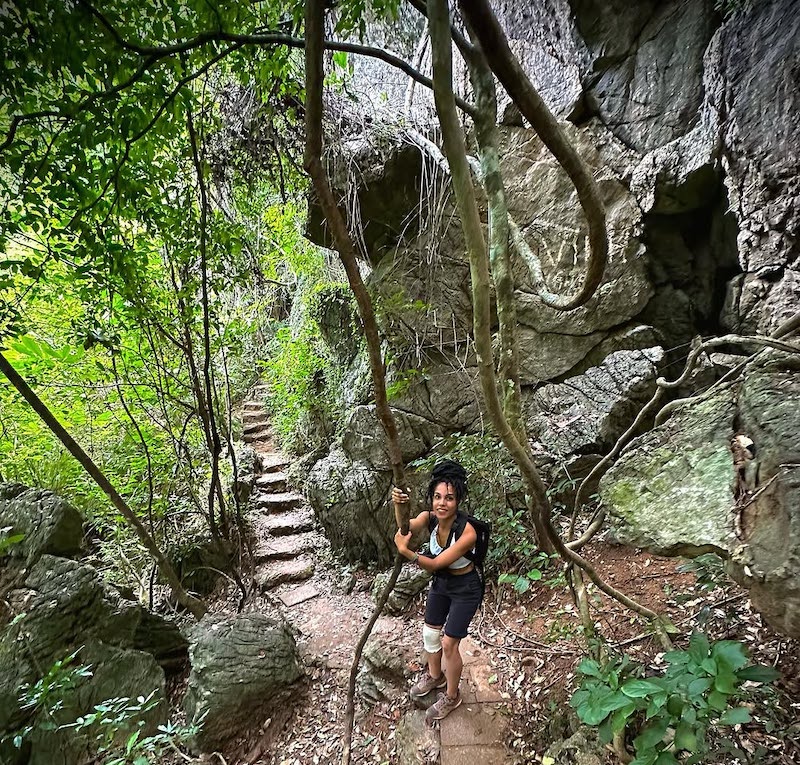
Treat the park as a natural environment rather than a sightseeing stop. Start early on any route heading toward Viet Hai, because a late start puts unnecessary pressure on a long day.
Wear sturdy shoes with good grip, since limestone turns slippery after rain and several routes include steep sections. Carry enough water, because facilities thin out quickly once you move deeper into the forest, and bring insect repellent, sunscreen and light breathable clothing.
Keep noise low, never feed wildlife and photograph the trail board at the entrance before starting, as printed maps are not always available and mobile coverage weakens inside the forest. On longer routes, hire a local guide rather than relying on a phone map.
Travelers short on time should choose Ngu Lam Peak, which delivers the best viewpoint for the least walking. Anyone who wants nature without a demanding climb can pair Trung Trang Cave with a short forest walk instead.
Active hikers get the most from the Viet Hai crossing with a boat back to town, and wildlife enthusiasts do better with quiet observation than with any expectation of seeing the langur.
And for travelers who want to understand why Cat Ba matters internationally, combine the park with the bay. The forest and the sea are not separate stories here but one connected ecosystem, recognized through the Cat Ba Biosphere Reserve and the Ha Long Bay-Cat Ba Archipelago World Heritage property. Our Cat Ba Island shows how the park fits into a wider island itinerary, and current tours and transfers are listed at bekatravel.com.
Cat Ba - Lan Ha Bay
A practical guide to Monkey Island in Lan Ha Bay: how to get there, what the monkeys are like, the viewpoint hike, and which Beka tours stop there.
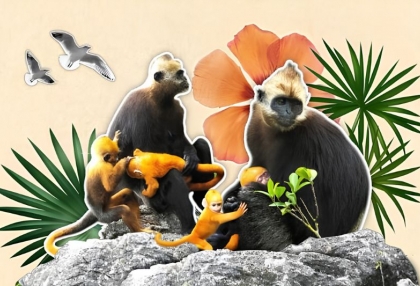 Cat Ba - Lan Ha Bay
Around 90 Cat Ba langurs are left in the wild, all on one island. What they are, why you probably won't see one, and how to visit responsibly.
 Cat Ba - Lan Ha Bay
The Cat Hai-Phu Long cable car crosses 3,955 metres of open water in 10-15 minutes, running 09:00-16:00 daily except Tuesdays. Route, hours, ticket prices and how it compares to the ferry.
 Cat Ba - Lan Ha Bay
Beyond trekking and kayaking, Cat Ba Market is a must-visit destination to experience the authentic local lifestyle. It is the culinary heart of the island, where you can find the freshest seafood and traditional products of the Hai Phong port region.
 Cat Ba - Lan Ha Bay
Complete 2026 guide to reaching Cat Ba Island: compare buses, ferries, cable cars and transfers from Hanoi, Hai Phong, Ha Long and Ninh Binh.
 Cat Ba - Lan Ha Bay
Complete 2026 guide to the Tuan Chau to Gia Luan ferry. Find updated schedules, ticket prices, transport from Gia Luan to Cat Ba Town, and expert travel tips.
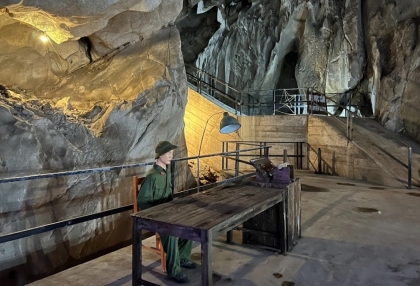 Cat Ba - Lan Ha Bay
Discover Hang Quan Y (Military Hospital Cave) on Cat Ba Island. Learn about its wartime history, the 3-level concrete bunker, entrance fees, and how to get there.
 Cat Ba - Lan Ha Bay
Cannon Fort on Cat Ba Island is currently closed to visitors, with no official ticket sold. History, location, and what to see instead in 2026.
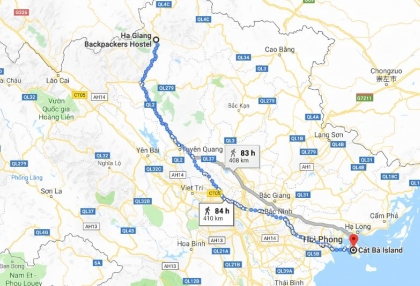 Cat Ba - Lan Ha Bay
There is no direct bus from Ha Giang to Cat Ba Island. See the Palace Cabin bus via Hanoi, journey time, prices and pickup points for 2026.
 Cat Ba - Lan Ha Bay
There is no direct bus from Sapa to Cat Ba Island. Compare the overnight sleeper and daytime bus routes via Hanoi, with 2026 prices and timing.
