




 Cat Ba - Lan Ha Bay
Monkey Island Cat Ba: What to Know Before You Go
A practical guide to Monkey Island in Lan Ha Bay: how to get there, what the monkeys are like, the viewpoint hike, and which Beka tours stop there.
Lan Ha Bay and Cat Ba Island have a humid tropical monsoon climate, with noticeable changes between the cooler, drier months and the hot, wetter summer period. Because many of the destination's best experiences depend on sea conditions, understanding the weather is an important part of planning a trip.
The best time to visit Cat Ba Island depends on what you want to do. September to November generally offers the best overall balance of pleasant temperatures, lower rainfall and clearer skies, while March and April are also good choices for sightseeing and trekking. For swimming and kayaking, the warmer months provide more comfortable sea temperatures, but travelers should also allow for occasional storms and changes to boat schedules. Our own climate guide points to the same two windows: September to November, and March to April.
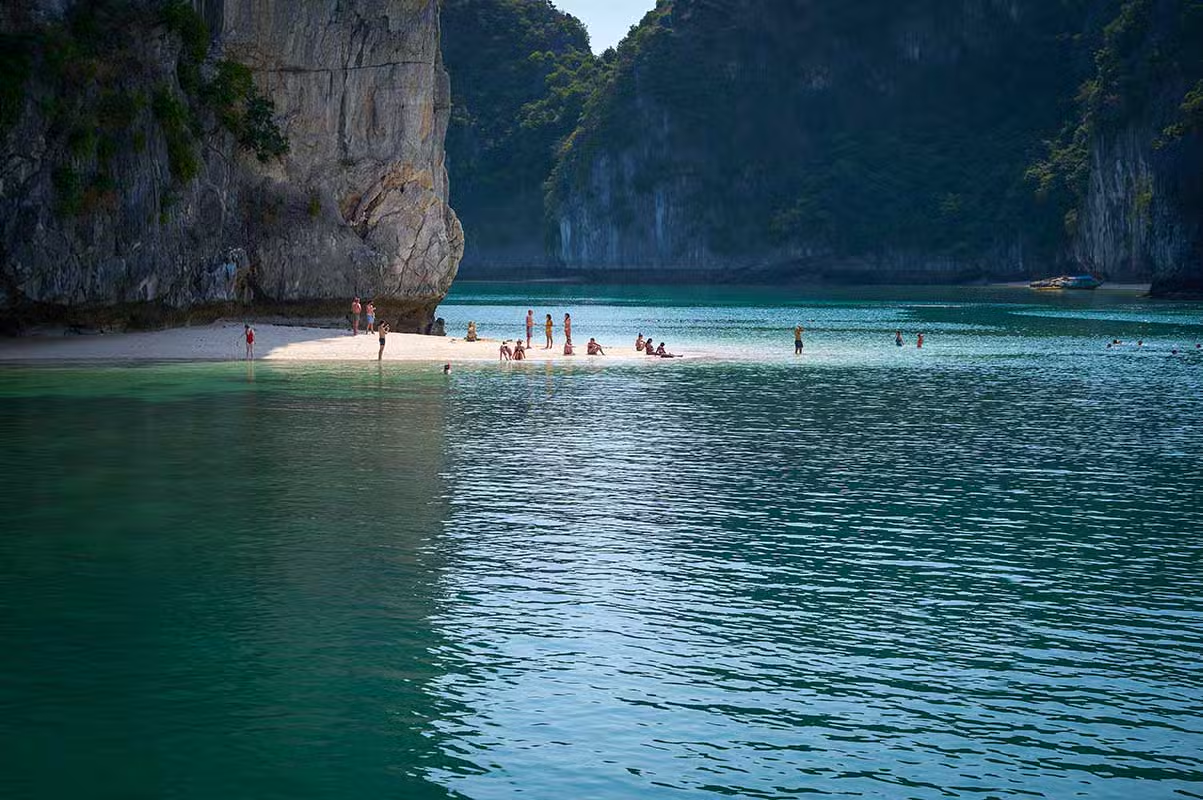
The Cat Ba Island weather changes significantly throughout the year. Winter is cool and relatively dry, spring is mild but can be cloudy or drizzly, summer is hot and wetter, and autumn gradually becomes cooler and clearer.
The table below uses our current 2026 monthly figures, with average air temperature, rainfall, sea temperature and expected domestic visitor levels.
| Month | Air °C | Rain mm / rainy days | Sea °C | Domestic crowds | What to watch for |
|---|---|---|---|---|---|
| January | 14-20 | 46 / 7 | 19.6 | Low | Coldest water of the year, too cold to swim |
| February | 16-21 | 35 / 7 | 19.7 | Low | Drizzle and low cloud can affect bay views |
| March | 18-24 | 51 / 8 | 20.2 | Low | Good trekking weather, sea still cool |
| April | 22-28 | 65 / 8 | 22.5 | Rising | 30 April holiday can make transport busy |
| May | 25-30 | 219 / 13 | 27.3 | High | Domestic beach season begins |
| June | 27-32 | 227 / 14 | 29.3 | High | Storm season begins |
| July | 27-32 | 289 / 15 | 30.5 | High | Warmest seawater, typhoon risk |
| August | 26-31 | 375 / 17 | 30.1 | High | Wettest month of the year |
| September | 25-30 | 289 / 14 | 29.2 | High then falling | 2 September holiday can be busy |
| October | 22-28 | 138 / 10 | 27.1 | Moderate | Clearer skies, warm water |
| November | 19-25 | 69 / 8 | 24.9 | Low | Cool mornings, pleasant sightseeing |
| December | 14-21 | 43 / 6 | 21.7 | Low | Dry conditions, excellent for trekking |
Long-term climate records for the Hai Phong coast show the same seasonal pattern: July is the hottest month, August is among the wettest, and January is the coolest period.
February and March mark the transition from winter toward spring. Temperatures gradually increase, but the weather in Lan Ha Bay can still feel cool, humid and hazy, particularly in the morning.
February typically remains quiet, with low domestic tourist numbers. The main drawback is cloud cover and occasional drizzle, which can reduce the visibility of the limestone islands. Average temperatures run around 16-21°C in February and 18-24°C in March.
March is more comfortable for outdoor exploration, particularly hiking in Cat Ba National Park and sightseeing around the island. However, an average sea temperature of around 20.2°C means it is still not the ideal month for swimming.
Photographers often prefer these two months, because the softer light and mist create a very atmospheric landscape. Anyone looking for bright blue skies and classic turquoise-water photos should consider a later month.
April brings noticeably warmer temperatures, longer periods of sunshine and generally more comfortable conditions for exploring both Cat Ba and Lan Ha Bay.
Average temperatures rise to around 22-28°C, while rainfall remains relatively moderate. By May, the temperature reaches approximately 25-30°C and seawater warms to around 27.3°C, making swimming and kayaking much more comfortable.
April is particularly attractive for anyone who wants to combine hiking with a bay excursion. Cat Ba National Park is much more comfortable to explore before the intense summer heat arrives.
One point to watch is the Vietnamese Reunification Day and Labor Day period around 30 April and 1 May. These public holidays can bring a sharp increase in domestic visitors, heavier traffic and higher accommodation demand. Ferry traffic becomes noticeably busier around the holiday.
June and July are the classic summer months on Cat Ba. Temperatures commonly reach 27-32°C, while the sea becomes much warmer, reaching around 29.3°C in June and 30.5°C in July.
This is the period when many Vietnamese families choose Cat Ba for a beach holiday, making it one of the busiest times for Cat Ba tourism.
The advantages are obvious: long daylight hours, warm seawater and excellent conditions for swimming and activities such as Lan Ha Bay kayaking, snorkeling and beach visits when the weather is stable.
The main disadvantage is weather uncertainty. June marks the beginning of the main storm season for the Gulf of Tonkin, and sudden thunderstorms or tropical systems can affect marine activities. June through September is the main storm-risk period, so conditions are worth checking close to departure. Summer visitors should treat flexibility as more important than a perfectly fixed itinerary.
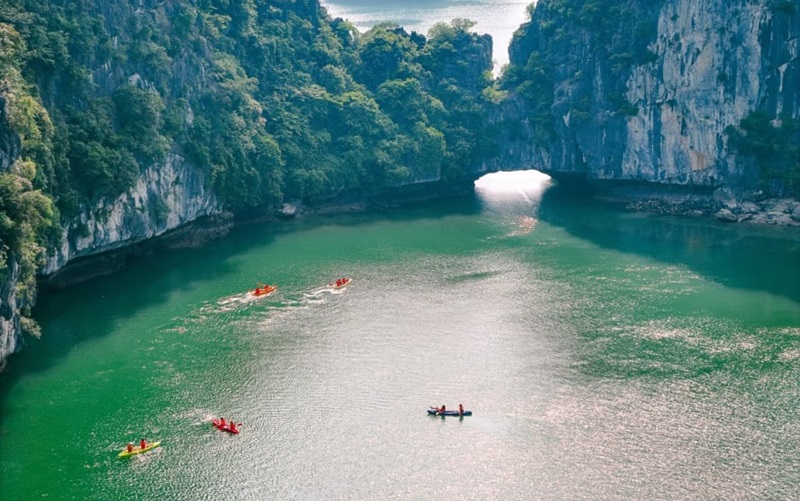
August is normally the wettest month in Cat Ba. Our current climate table records about 375 mm of rainfall and approximately 17 rainy days, making August the month with the highest rainfall in the dataset.
This does not mean it rains continuously. Rain can come in short, heavy bursts, with dry periods appearing between showers. Cruises can often continue when conditions remain safe, although kayaking, swimming or individual sightseeing stops may be rearranged around the weather.
September is a transition month. The heat remains, but temperatures gradually ease. Sea temperature stays around 29.2°C, which is excellent for swimming and kayaking when the weather is settled. After the 2 September National Day holiday, domestic visitor numbers generally start to fall, which makes late September an attractive shoulder-season option for travelers who want warmer water but fewer crowds.
October is one of the strongest months overall. Air temperatures fall to around 22-28°C, rainfall drops significantly compared with August and September, and sea temperature remains around 27.1°C. The result is a combination that works well for both Lan Ha Bay weather and land-based sightseeing.

Late October through January offers a very different Cat Ba experience from summer.
November is particularly attractive because temperatures remain comfortable at around 19-25°C, rainfall is relatively low and domestic visitor numbers are significantly lower. We treat September through November as the golden season, because the summer heat and heavy rain have eased while the sea is still warm enough for swimming.
December and January are cooler and drier. December records around 14-21°C with one of the lowest rainfall levels of the year, while January remains the coldest month. Searches for Lan Ha Bay weather December and Lan Ha Bay weather January usually come from travelers planning a winter trip, and both months follow the same pattern: dry, cool and quiet, with sea temperatures too low for comfortable swimming.
This is not the best season for a traditional beach holiday, but it can be one of the best periods for hiking, sightseeing, photography and enjoying a quieter island atmosphere. Cooler weather is also an advantage in Cat Ba National Park, where less heat and humidity can make longer forest trails much more comfortable.
As of September 19, 2026, Cat Ba Town is around 30°C (feels like 33°C), partly cloudy, with a light easterly wind near 13 km/h.
The current Lan Ha Bay weather forecast should always be checked shortly before a cruise, because conditions can change much faster at sea than the monthly averages suggest. The table above describes the weather Lan Ha Bay Vietnam sees across a typical year, but it cannot predict a single afternoon.
Three sources are useful in the final days before departure. Vietnam's national hydro-meteorological forecasting agency issues marine bulletins for the Gulf of Tonkin, including wind, wave height and thunderstorm warnings. A standard weather app covers temperature, rainfall probability and hourly conditions for Cat Ba Town. The cruise operator is the only source that can confirm whether a departure is actually running, and current departures are listed on the Cat Ba island tours hub page.
For anyone joining a cruise, the marine bulletin matters more than the land forecast. A summer afternoon can look calm from Cat Ba Town while wind and wave height in the bay are enough for the port authority to suspend departures.
The most useful approach is to check the forecast one to three days before departure and confirm the cruise status with the operator on the day of travel. During the storm season from June to September, keeping a spare day in the itinerary is also sensible, so a suspended departure can be rescheduled rather than lost.

There is no single best month for every traveler. The ideal travel window depends on whether your priority is swimming, kayaking, trekking, photography or avoiding crowds.
| Main travel goal | Best period | Why |
|---|---|---|
| Swim and kayak in warm water | June to October | Sea temperature around 27-30.5°C |
| Trek Cat Ba National Park | October to April | Cooler and generally drier conditions |
| See Lan Ha Bay at its clearest | October and November | Lower rainfall and more stable sightseeing conditions |
| Avoid Vietnamese holiday crowds | Late September to April | Fewer domestic beach travelers |
| Enjoy beaches with fewer crowds | Late September to November | Warm water with declining domestic demand |
| Photography and sightseeing | October to November | Better visibility and pleasant temperatures |
| Quiet nature escape | December to March | Low domestic crowd levels and cooler weather |
Our own recommendation follows the same pattern: June to October for warm-water activities and October to April for trekking, with October and November as the strongest months for clearer bay views.
For Lan Ha Bay kayaking, water temperature is only part of the equation. Calm sea conditions and good visibility are equally important.
June to October offers the warmest water, with sea temperatures generally above 27°C. This makes longer periods on the water more comfortable. However, the same period also brings a greater chance of rain and tropical storms.
October and November offer a better compromise for travelers who want kayaking together with clearer scenery and lower rainfall.
For trekking, the cooler months are preferable. October to April reduces the heat and humidity that can make forest trails tiring during summer.
December and January are particularly attractive to experienced hikers who do not mind cooler temperatures, while March and April provide a warmer alternative before the summer heat arrives.
If your priority is clear views rather than swimming, October and November are strong choices.
The reduction in rainfall improves visibility around the limestone karsts, while temperatures remain comfortable enough for long days outside. Spring can also produce atmospheric scenes with mist and low cloud, although visibility is less predictable.
Domestic beach tourism peaks from late April through the summer months, especially around major Vietnamese holidays. Our 2026 data classifies May through August as high domestic-crowd months, with another busy period around the 2 September holiday.
For a quieter trip, consider late September through April, particularly November through March.
This guide covers Cat Ba Island and Lan Ha Bay. For the main bay to the north, see Halong Bay weather and best time to visit.
No. The wet season does not mean continuous rain every day. During the wetter months, rainfall often comes in short and heavier bursts rather than lasting all day. A morning can be dry and bright before an afternoon shower or thunderstorm develops.
Our Cat Ba cruises usually continue during ordinary summer showers, although kayaking and swimming stops may be rearranged around the weather. The biggest concern is not normal rainfall but severe weather. When tropical storms or unsafe marine conditions develop, boat activities may be suspended.
Yes. Cat Ba is worth visiting in winter if your priorities are trekking, sightseeing, photography and a quieter island atmosphere rather than swimming.
December through February is relatively cool and dry. Winter is an ideal period for jungle trekking, because lower humidity makes outdoor exploration more comfortable, and domestic visitor numbers are much lower than in summer. The sea is considerably cooler, so travelers looking for a beach holiday should choose a warmer month.
For most travelers, no. In March, the average sea temperature is around 20.2°C, while daytime air temperatures range from approximately 18-24°C.
Some experienced swimmers may still enter the water, but March is better suited to trekking, sightseeing and scenic boat trips. If swimming is important, wait until May when the sea temperature rises above 27°C. It remains warm through October.
Cat Ba is busiest during the domestic summer beach season, generally from late April through August.
The busiest periods typically coincide with major holidays such as 30 April and 1 May, followed by the summer school holiday period. The 2 September National Day holiday can also create a short peak in visitor numbers. For fewer crowds, late September through April is generally a better choice.
For most travelers, September to November is the best overall period to visit Cat Ba and Lan Ha Bay. The summer heat begins to ease, rainfall falls from its August peak, the sea remains warm enough for swimming, and the number of domestic beach travelers decreases after the September holiday period.
March and April are the best alternative for travelers who prefer cooler weather and want to focus on trekking, sightseeing and nature rather than swimming. June to August is ideal for warm-water activities and a lively summer atmosphere, but you should be prepared for heavy rain, high humidity and possible storm-related changes. December to February is the quietest and driest part of the year and works particularly well for travelers who prefer hiking and peaceful landscapes over beach activities.
In other words, the right Lan Ha Bay weather window depends less on finding one perfect month and more on matching the season to your travel priorities. Check the forecast close to departure, leave some flexibility around marine activities and choose your dates based on whether you care most about warm water, clear skies, trekking or fewer crowds. Our Cat Ba Island travel guide covers the routes, beaches and itineraries these seasons work best for.
For travelers planning a Lan Ha Bay cruise, this seasonal approach is especially important because weather conditions can influence the route, kayaking stops, swimming opportunities and whether boats are permitted to operate at all. Current tours, cruises and departure dates are listed at bekatravel.com.
Cat Ba - Lan Ha Bay
A practical guide to Monkey Island in Lan Ha Bay: how to get there, what the monkeys are like, the viewpoint hike, and which Beka tours stop there.
 Cat Ba - Lan Ha Bay
Around 90 Cat Ba langurs are left in the wild, all on one island. What they are, why you probably won't see one, and how to visit responsibly.
 Cat Ba - Lan Ha Bay
The Cat Hai-Phu Long cable car crosses 3,955 metres of open water in 10-15 minutes, running 09:00-16:00 daily except Tuesdays. Route, hours, ticket prices and how it compares to the ferry.
 Cat Ba - Lan Ha Bay
Beyond trekking and kayaking, Cat Ba Market is a must-visit destination to experience the authentic local lifestyle. It is the culinary heart of the island, where you can find the freshest seafood and traditional products of the Hai Phong port region.
 Cat Ba - Lan Ha Bay
Complete 2026 guide to reaching Cat Ba Island: compare buses, ferries, cable cars and transfers from Hanoi, Hai Phong, Ha Long and Ninh Binh.
 Cat Ba - Lan Ha Bay
Complete 2026 guide to the Tuan Chau to Gia Luan ferry. Find updated schedules, ticket prices, transport from Gia Luan to Cat Ba Town, and expert travel tips.
 Cat Ba - Lan Ha Bay
Discover Hang Quan Y (Military Hospital Cave) on Cat Ba Island. Learn about its wartime history, the 3-level concrete bunker, entrance fees, and how to get there.
 Cat Ba - Lan Ha Bay
Cannon Fort on Cat Ba Island is currently closed to visitors, with no official ticket sold. History, location, and what to see instead in 2026.
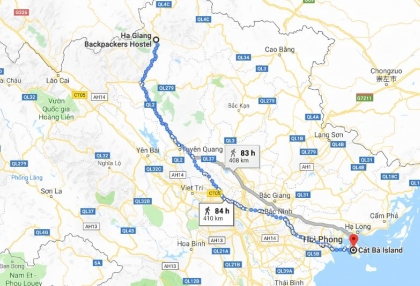 Cat Ba - Lan Ha Bay
There is no direct bus from Ha Giang to Cat Ba Island. See the Palace Cabin bus via Hanoi, journey time, prices and pickup points for 2026.
 Cat Ba - Lan Ha Bay
There is no direct bus from Sapa to Cat Ba Island. Compare the overnight sleeper and daytime bus routes via Hanoi, with 2026 prices and timing.
