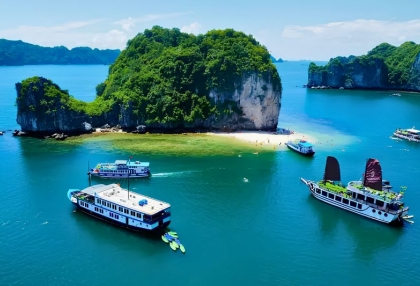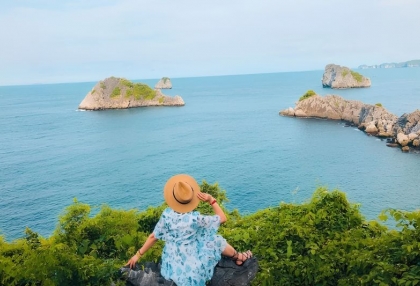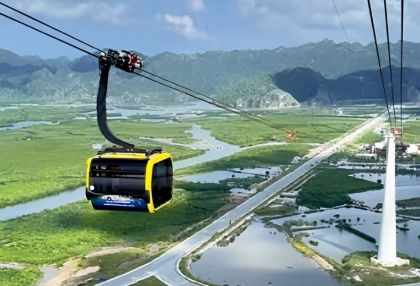

To rent a motorbike in Cat Ba is to unlock the parts of the island a tour bus can't reach, quiet coastal roads, jungle passes, and fishing hamlets most day trips skip entirely. Here's what it costs, the best routes to ride, and how to stay safe doing it.
Scooter rental Cat Ba prices
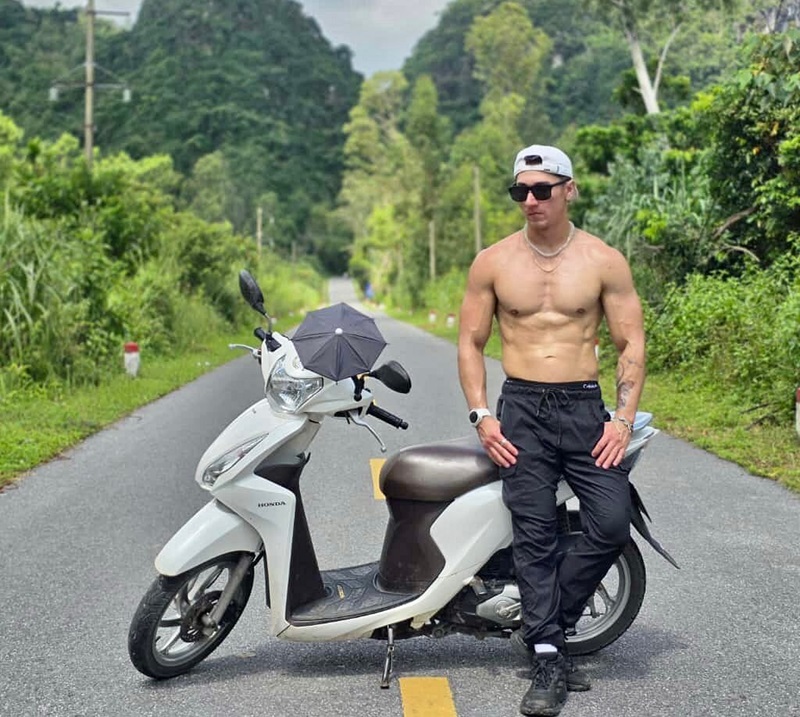
Standard automatic scooters typically rent for 100,000 to 150,000 VND per day, roughly $4 to $6, while manual or more powerful models can run from around 200,000 VND per day. Most rental shops are clustered in Cat Ba town and will deliver the bike to your hotel, and multi-day rentals often come with a small per-day discount.
Always inspect the bike thoroughly and photograph any existing damage before riding off, both to protect yourself from disputed damage claims and to confirm the brakes, horn, and lights all work properly.
The coastal loop route
The classic Cat Ba coastal road route runs from Cat Ba town out to Cannon Fort, then along to the Cat Co beaches before looping back along the seafront. It's a manageable half-day ride with some of the best sea views on the island, and Cannon Fort's old French and Japanese gun emplacements make for a worthwhile stop partway through.
This route is a good starting point if you're new to riding in Vietnam, since the roads are wider and less demanding than the mountain passes further inland.
The national park adventure route
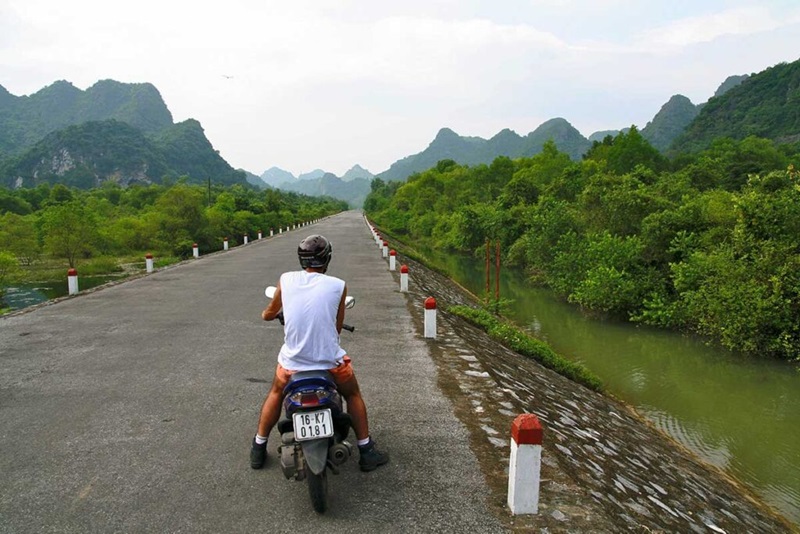
For a longer Cat Ba motorbike loop, ride inland through jungle roads toward Cat Ba National Park, then continue on to Viet Hai village for a trek or a boat ride back. This route covers steeper, more technical terrain than the coastal loop, so it suits riders who are already comfortable driving in Cat Ba island conditions.
Fuel up before you leave town, since options thin out once you're deep into the park roads.
The cave route for history and geology
A shorter route worth combining with either of the above takes you to Trung Trang Cave, known for its ancient stalactite formations, before continuing to the wartime Hospital Cave built inside a mountain. Both stops are close enough together to fit into a single half-day ride if you're short on time.
Safety tips for riders
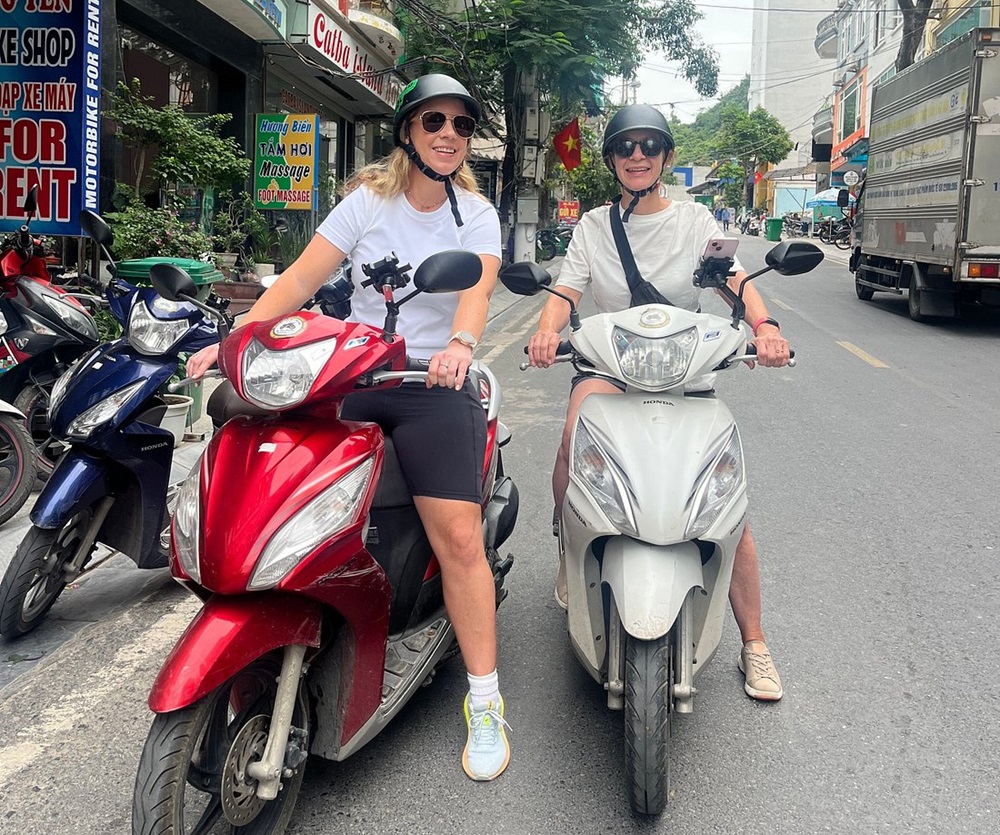
Wearing a helmet is mandatory by Vietnamese law and non-negotiable for your own safety, on every ride regardless of distance. Keep your speed capped around 40km/h on mountain passes, avoid riding after dark or in heavy rain, and watch for potholes, loose gravel, and slippery patches on the less-maintained inland roads.
Carry a downloaded offline map or a local SIM with data, since signal drops out in parts of the national park and coastal backroads. A power bank is worth packing too, so a dead phone battery never turns into a bigger problem on a remote stretch of road.
Avoiding rental disputes
Photograph the bike from multiple angles before you ride off, including any existing scratches, dents, or worn tires, and confirm the condition with staff at handover so there's no ambiguity later. Choose a shop with strong recent reviews rather than the cheapest listing you find, and avoid handing over your passport as a deposit where a cash deposit is accepted instead.
Test the brakes, horn, and lights in the rental shop's parking lot before setting off, and ask what the process is if the bike breaks down mid-ride, most reputable shops offer some form of roadside support or a replacement bike for genuine mechanical issues.
Save the rental shop's phone number in your phone before you leave, and confirm whether they offer any roadside assistance number specifically, since a standard customer service line may not be staffed to handle an urgent breakdown on a remote stretch of road. Knowing roughly where you are, a nearby landmark or the last town you passed, speeds up any assistance considerably. Traveling with at least one other rider on longer loops is also a sensible precaution, since a second bike means help is immediately at hand if either vehicle has a mechanical issue on an isolated stretch of road, particularly on the quieter national park roads where passing traffic is limited and outside help can otherwise take quite a while to arrive.
What license do you need to ride legally
Technically, riding a motorbike over 50cc in Vietnam requires a valid motorcycle license, either a Vietnamese license or an International Driving Permit that covers motorcycles, though enforcement varies and many rental shops don't ask to see one. Riding without proper licensing can affect your travel insurance coverage if you're involved in an accident, so it's worth checking your policy's fine print before assuming you're covered.
Scooters under 50cc, sometimes rented as "mopeds," don't require a motorcycle license in some circumstances, though these are less common in rental shops geared toward tourists exploring the island's hillier routes.
Frequently asked questions
Do I need experience to rent a motorbike in Cat Ba?
Basic riding experience is strongly recommended, particularly for the national park and mountain pass routes. First-time riders should stick to the flatter coastal loop and build confidence before attempting steeper inland roads.
Is it safe to ride a motorbike in Cat Ba at night?
It's not recommended. Many roads lack consistent street lighting, and visibility drops significantly after dark, which is why most safety guides advise finishing any ride well before sunset.
Planning your ride
Start with the coastal loop if it's your first time driving in Cat Ba island conditions, then build up to the national park route once you're comfortable with the bike and the roads. Whichever loop you choose, leave enough daylight to get back before dusk, since Cat Ba's roads are far less forgiving after dark.
Prefer to explore with a guide instead? Our Cat Ba National Park adventure tour covers much of the same ground with cycling and trekking included. For the full island overview, see our Cat Ba Island Travel Guide, or start planning at Beka Travel.