




 Cat Ba - Lan Ha Bay
Monkey Island Cat Ba: What to Know Before You Go
A practical guide to Monkey Island in Lan Ha Bay: how to get there, what the monkeys are like, the viewpoint hike, and which Beka tours stop there.
Cat Ba Island is one of Vietnam's most distinctive destinations for rock climbing and deep water soloing, combining limestone cliffs, forested valleys and the turquoise water of Lan Ha Bay. The island supports both inland sport climbing and sessions directly above the sea, so beginners can learn on bolted routes while experienced climbers work harder lines on the same trip. This Cat Ba climbing guide covers the main crags, the deep water solo walls and the practical details that decide when a session runs.
Quick answer: Cat Ba island climbing splits into two experiences. Inland sport climbing at Butterfly Valley and Hidden Valley uses ropes and fixed protection, with routes from around 4+ to advanced grades. Deep water soloing runs by boat from Ben Beo Harbor into Lan Ha Bay, without ropes, landing in the sea. Ben Beo is also the departure point of most Lan Ha Bay tours. October to April suits land climbing best, while deep water soloing depends on the tide as much as the season.
Cat Ba island climbing is built around the island's limestone landscape, where steep walls, caves and hidden valleys create a natural setting for climbing on land and above the water. Official Cat Hai tourism material identifies the limestone hills of Tran Chau commune as particularly suited to adventure climbing, naming Butterfly Valley in Lien Minh hamlet as the main site.
The two experiences are different. Inland crags offer roped sport climbing in a forest environment, with a belayer, fixed bolts and a controlled fall, while deep water soloing Cat Ba moves the activity onto the sea, where climbers ascend without ropes and drop back into the water.
Route numbers give a sense of scale: 71 recorded routes at Butterfly Valley, 44 at Squanch Wall and Fisher Valley, 38 at Hidden Valley, 16 at The Cave and 8 at Ben Beo Harbor. For a first visit, a guided Cat Ba climbing tour is the most efficient way to learn the rock, the equipment and the access rules.
Tides are the most important variable for Cat Ba deep water solo, which is why a session cannot simply be booked for a convenient hour. Sport climbing depends mainly on rock condition and weather, while deep water soloing depends on the depth and behavior of the water directly beneath the wall, and that changes through the day.
Operators adjust departure times and locations to the tide, so a popular wall is not climbable at the same hour every day. Picking a cliff off a map for a self-guided session is a poor idea, because a wall that is safe at one tide can be dangerous at another. A guide also teaches jumping and landing technique before the climbing starts.
For land-based rock climbing Cat Ba, the cooler and drier months from October to April are generally more comfortable. Temperatures are lower, humidity drops, and limestone that feels greasy in summer holds friction much better. Hidden Valley suits this window particularly well, while summer brings humidity and mosquitoes in the vegetated approaches.
For deep water soloing Cat Ba, the warmer months make the water more inviting, but sea conditions and tides still outweigh air temperature. Rain, wind and storms all affect whether a session runs, particularly between June and September. Dates work best when three things line up: comfortable climbing temperature, workable sea conditions and a suitable tide window.
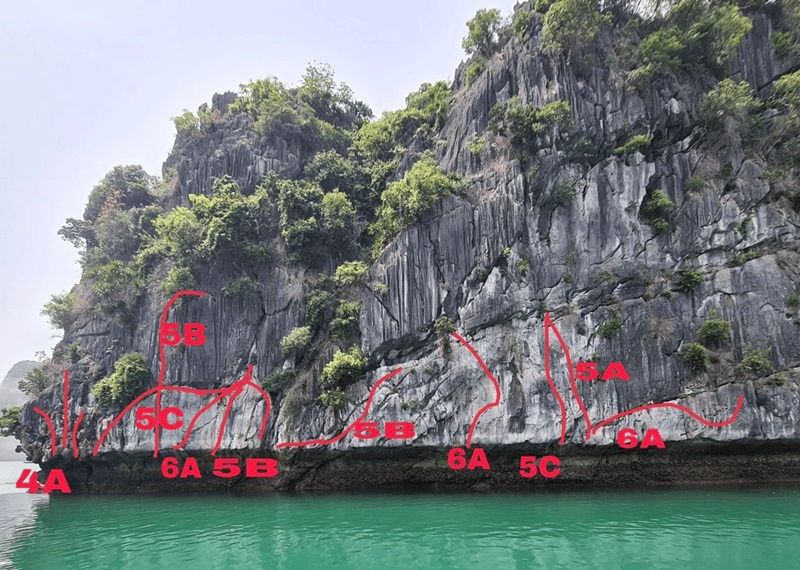
Deep water soloing, usually shortened to DWS, means climbing above deep water without a rope or belay system, with the descent either a controlled down-climb or a jump into the sea. On Cat Ba it is combined with a boat journey, departing from Ben Beo Harbor and cruising into Lan Ha Bay to reach the walls, so a session includes bay scenery and swimming alongside the climbing.
Exposure feels stronger without a rope, the base of the wall is often wet, and water confidence counts for as much as finger strength. A beginner does not need previous outdoor climbing experience for a guided introduction, though swimming ability and reasonable fitness are essential. Sessions typically use several walls rather than one, starting on a beginner-friendly face with routes from around 4a to 7a before moving to harder lines.
Travelers who prefer ropes will find that Cat Ba rock climbing offers a good spread of limestone crags on the main island. Sport climbing uses fixed bolts and a rope, which allows climbers to work on technique and endurance with a controlled fall rather than a swim, and it is the better format for learning or for attempting hard routes.
Grades run from beginner-friendly lines through advanced climbing, with recorded routes including Get Ledgy at 4+, You Enjoy Myself at 6b, Very Tot at 6b+ and Obama 101 at 7a, plus considerably harder projects. That spread makes climbing Cat Ba workable for mixed groups, provided climbers pick routes suited to their experience and check current information about fixed gear.
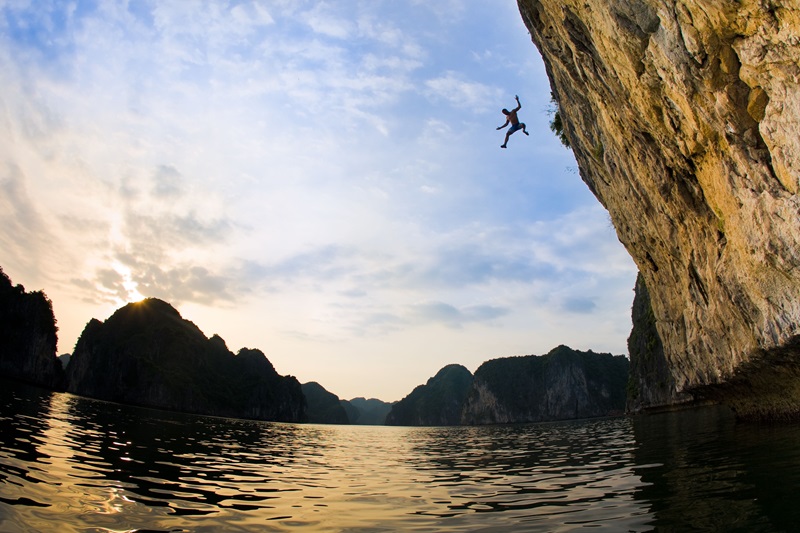
Butterfly Valley is the best-known inland climbing area on Cat Ba and the natural starting point for rock climbing Cat Ba island experiences. It lies in Lien Minh hamlet, Tran Chau commune, ringed by limestone walls and dense vegetation, which creates a completely different atmosphere from the open sea cliffs used for DWS.
With 71 recorded routes it is the largest established sport climbing zone on the island, and the range of grades makes it practical for groups climbing at different levels on the same day. It is not primarily a Cat Ba island viewpoint destination, though topping out on selected routes gives elevated views across the surrounding limestone.
Hidden Valley, also listed as The Farm, holds 38 recorded routes on heavily featured limestone with pockets, ledges, tufas and vertical sections, alongside more demanding overhangs. Easier climbing sits on one side while the steeper Lower Roof area holds the harder lines, so the venue works for a mixed group.
Shade is its practical advantage: the crag faces northwest, sees little direct sun and is partly protected by vegetation, which makes it noticeably more comfortable in warm weather. Access is a short drive from Cat Ba Town followed by a walk in, but the site sits on private property and permission is required.
Ben Beo Harbor is the most unusual setting for climbing on Cat Ba, sitting beside a working harbor and looking toward the entrance of Lan Ha Bay and the floating fishing communities. It is compact, with 8 recorded routes known for comparatively hard climbing, so it suits experienced climbers rather than a first outdoor session.
The elevated position also gives climbers a view over the harbor. Travelers wanting a Cat Ba viewpoint without climbing gear will do better on the Navy Peak walk above Viet Hai Village. The walk takes roughly 45 minutes to an hour on foot for a panorama over the village, Lan Ha Bay and the southern edge of Ha Long Bay. Ben Beo is also the departure point for most DWS trips, which makes it easy to combine a morning here with an afternoon on the water.
The Cave, also referred to as Buddha Cave, is a smaller sport climbing area with 16 recorded routes reaching around 17 meters. The cave environment is what sets it apart, with climbers moving through limestone formations, overhangs and cave terrain rather than up an open face.
Some routes combine steep walls, tufas, cracks and cave features in a single line, Enter The Dragon being the clearest example. Route conditions and fixed protection change over time here, so use a current topo and inspect the gear yourself.
For many visitors, deep water solo Cat Ba is the most memorable climbing on the island. Rather than walking into a valley, climbers take a boat from Ben Beo Harbor into Lan Ha Bay and climb straight off the water, using walls such as Sea Face and Three Brothers with routes from beginner-friendly climbs up to much harder lines.
The appeal is that it folds limestone cliffs, open water, boat travel, climbing and cliff jumping into one activity, which keeps mixed groups together. Treating DWS as simply climbing without a rope underestimates it, because water depth, landing position, sea movement and fatigue all change the risk.
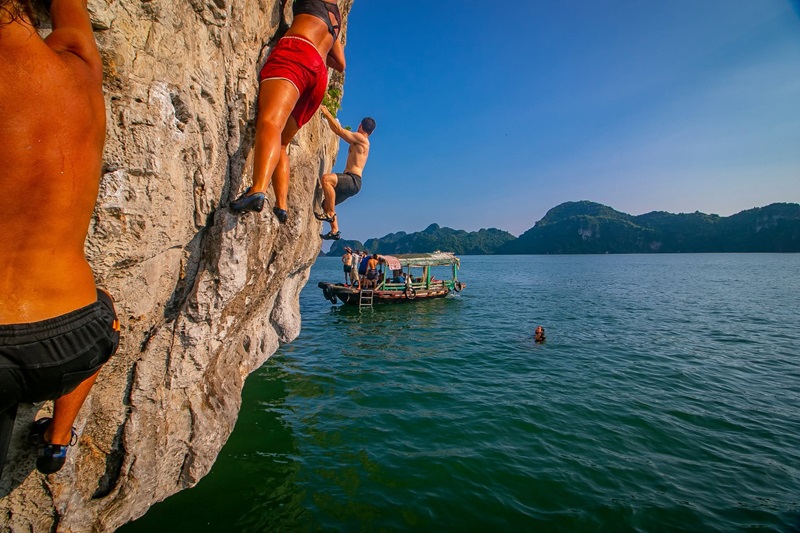
The best Cat Ba climbing tour is not the one with the hardest routes but the one that matches your ability, fitness and preferred style. Beginners generally get more from a half-day sport session or a guided DWS introduction than from a full day at a hard crag, while experienced climbers can choose inland routes or the DWS walls depending on the day's conditions.
| Your experience | Best option | Why |
|---|---|---|
| First outdoor climbing experience | Butterfly Valley | Accessible inland setting with guided instruction |
| Beginner wanting adventure | Guided deep water solo | Climbing combined with swimming and jumping |
| Intermediate sport climber | Butterfly Valley or Hidden Valley | Widest selection of established routes |
| Advanced climber | Ben Beo Harbor or harder DWS lines | More demanding walls and route options |
| Traveling with non-climbing friends | Mixed climbing day | Combine climbing with kayaking or bay swimming |
Helmets are standard on Cat Ba because of rockfall risk, and route databases carry active warnings about damaged hardware, so inspect bolts and anchors before committing. Bring closed approach shoes and insect repellent for land climbing, and swimwear, a towel, sunscreen and water for DWS.
Several crags sit on or beside private land, so pack out everything you bring and stay on established approaches. When reading Cat Ba climbing reviews, look past the star rating to what reviewers say about the guide, the equipment, the group size and the safety briefing. Cat Ba National Park covers the protected areas nearby.
Yes. Cat Ba island climbing covers both inland sport climbing and deep water soloing, and the five established areas hold well over 170 routes between them, enough to fill several days without repeating a crag. Routes run from around grade 4+ to advanced projects.
Not for a guided introductory session, though you should be comfortable in the water and able to follow safety instructions. DWS involves falling or jumping into the sea from height, so swimming ability matters more on a first session than climbing technique does.
October to April is generally the most comfortable period for land-based climbing, because the island is cooler and drier and the rock holds friction better. Deep water soloing is possible through the warmer months, but tides, wind and sea conditions decide whether a session runs on any given day.
DWS carries real and unavoidable risk, because climbers ascend above open water without protection and return by jumping or down-climbing. For visitors unfamiliar with these cliffs, a guided trip is the safer approach, since guides read tide conditions, select routes to match the group and brief water entry before anyone climbs.
Yes, and most visitors do. Climbing pairs naturally with kayaking, swimming, Lan Ha Bay sightseeing, cliff jumping or a trip to Viet Hai Village, and because the crags and the bay sit close together, a session cancelled by tide or wind can usually be swapped for something else the same day.
Cat Ba climbing usually refers to sport climbing at inland crags such as Butterfly Valley and Hidden Valley, on a rope with a belayer and fixed bolts. Cat Ba deep water solo means climbing above the sea without a rope and coming down into the water. Both use the same limestone, but the equipment and the risk are different.
Most climbers get the best result from two days: a session on the inland crags to get used to the limestone, then a deep water solo day once the tide window suits. Travelers with more days on the island can add a Cat Ba island cruise in Lan Ha Bay.
Cat Ba - Lan Ha Bay
A practical guide to Monkey Island in Lan Ha Bay: how to get there, what the monkeys are like, the viewpoint hike, and which Beka tours stop there.
 Cat Ba - Lan Ha Bay
Around 90 Cat Ba langurs are left in the wild, all on one island. What they are, why you probably won't see one, and how to visit responsibly.
 Cat Ba - Lan Ha Bay
The Cat Hai-Phu Long cable car crosses 3,955 metres of open water in 10-15 minutes, running 09:00-16:00 daily except Tuesdays. Route, hours, ticket prices and how it compares to the ferry.
 Cat Ba - Lan Ha Bay
Beyond trekking and kayaking, Cat Ba Market is a must-visit destination to experience the authentic local lifestyle. It is the culinary heart of the island, where you can find the freshest seafood and traditional products of the Hai Phong port region.
 Cat Ba - Lan Ha Bay
Complete 2026 guide to reaching Cat Ba Island: compare buses, ferries, cable cars and transfers from Hanoi, Hai Phong, Ha Long and Ninh Binh.
 Cat Ba - Lan Ha Bay
Complete 2026 guide to the Tuan Chau to Gia Luan ferry. Find updated schedules, ticket prices, transport from Gia Luan to Cat Ba Town, and expert travel tips.
 Cat Ba - Lan Ha Bay
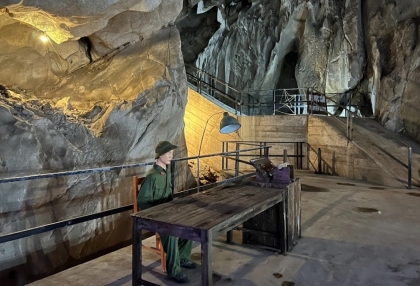
Discover Hang Quan Y (Military Hospital Cave) on Cat Ba Island. Learn about its wartime history, the 3-level concrete bunker, entrance fees, and how to get there.
 Cat Ba - Lan Ha Bay
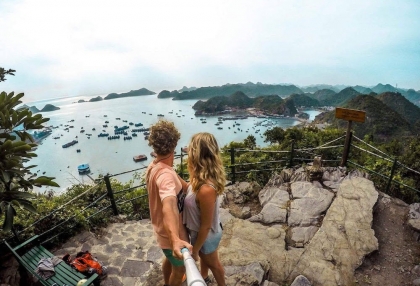
Cannon Fort on Cat Ba Island is currently closed to visitors, with no official ticket sold. History, location, and what to see instead in 2026.
 Cat Ba - Lan Ha Bay
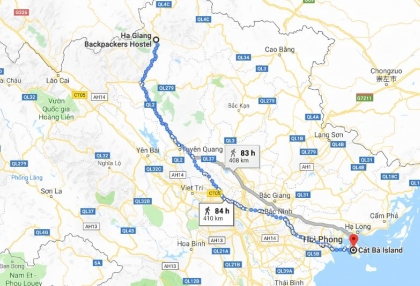
There is no direct bus from Ha Giang to Cat Ba Island. See the Palace Cabin bus via Hanoi, journey time, prices and pickup points for 2026.
 Cat Ba - Lan Ha Bay
There is no direct bus from Sapa to Cat Ba Island. Compare the overnight sleeper and daytime bus routes via Hanoi, with 2026 prices and timing.
