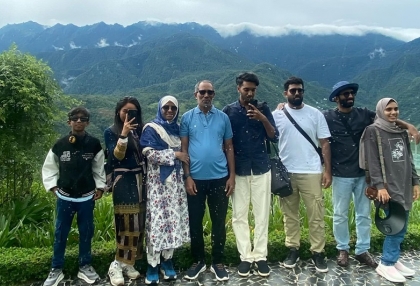

Cat Cat Village has long been a symbol of rustic, authentic beauty, perfectly encapsulating the traditional culture of the H'Mong ethnic people. This charming village is a must-visit destination for every traveler seeking to explore the misty mountains of Sapa, and a highlight of our complete Sapa travel guide.
Quick Summary: Cat Cat Village
Cat Cat Village is about 2km from Sapa town, roughly 10-15 minutes by taxi or motorbike. The entrance fee is around 150,000 VND for adults, and the highlight is a scenic waterfall formed by three streams, crossed by two chain bridges. Most visitors spend half a day exploring the village loop.
Let Beka Travel take you through this comprehensive guide, packed with essential tips for an unforgettable trip to Cat Cat Village.
Where is Cat Cat Village and how to get there from Sapa town?
For those visiting for the first time, understanding the geography and transport options is key. This will help you manage your time effectively and optimize your route for a smooth, stress-free exploration of the village.
Location and distance

Cat Cat Village is a historic H'Mong settlement nestled peacefully at the foot of the majestic Hoang Lien Son mountain range in Sapa, Lao Cai. It is widely considered one of the most beautiful ancient villages in the Northwest Highlands, thanks to its breathtaking, poetic natural scenery.
The village is located just under 2km southwest of Sapa town center. To reach Cat Cat, simply follow the main road leading toward the scenic Muong Hoa Valley; you will easily spot the village entrance along the way.
Common transportation options
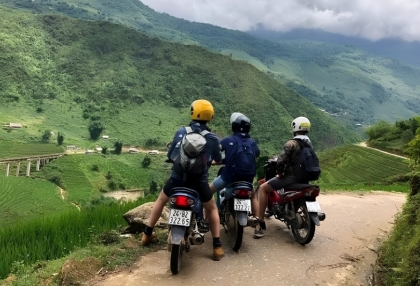
Given the short distance, you have several options depending on your preference and fitness level. If you enjoy flexibility and want to stop for photos along the road, renting a motorbike is the perfect solution.
Estimated cost: Motorbike rentals in Sapa typically range from 100,000 VND - 120,000 VND/day, depending on the model.
If you are not comfortable navigating mountain roads, hiring a local motorbike taxi (xe om) or a taxi is a safe and affordable option, costing around 40,000 VND - 70,000 VND/trip. Alternatively, many travelers choose to trek, allowing them to exercise while soaking in the stunning views and "cloud hunting" along the path.
Updated entrance fees and opening hours
The village has been well-organized into a premier eco-tourism and cultural hub. Therefore, all visitors are required to purchase an entrance ticket at the official booth located right at the entrance gate.
Current entrance fees
To ensure your budget remains accurate, please note the latest ticket prices applicable to different visitor groups:
- Adults: 150,000 VND/person/visit.
- Children (1m - 1.4m tall): 70,000 VND/person/visit.
- Children (under 1m tall): Free entry.
Upon purchasing your ticket, the staff will provide a detailed map of Cat Cat Village. This map is essential for navigating the mountain trails and finding the most popular landmarks within the village.
Opening hours
The Cat Cat tourism area is open daily from 5:00 AM to 10:00 PM. This wide time frame allows travelers maximum flexibility in planning their visit.
However, based on practical experience, the ideal time to explore is between 7:30 AM and 4:30 PM. It is best to avoid staying too late, as the fog sets in quickly after sunset, making the Sapa temperature drop significantly and the steep stone paths potentially hazardous.
What to do in Cat Cat Village? Unmissable check-in spots
This ancient village retains its allure because it is filled with picturesque spots. Just bring your camera and get ready to capture breathtaking photos at these famous locations.
Admire the majestic Cat Cat Waterfall (Tien Sa Waterfall)
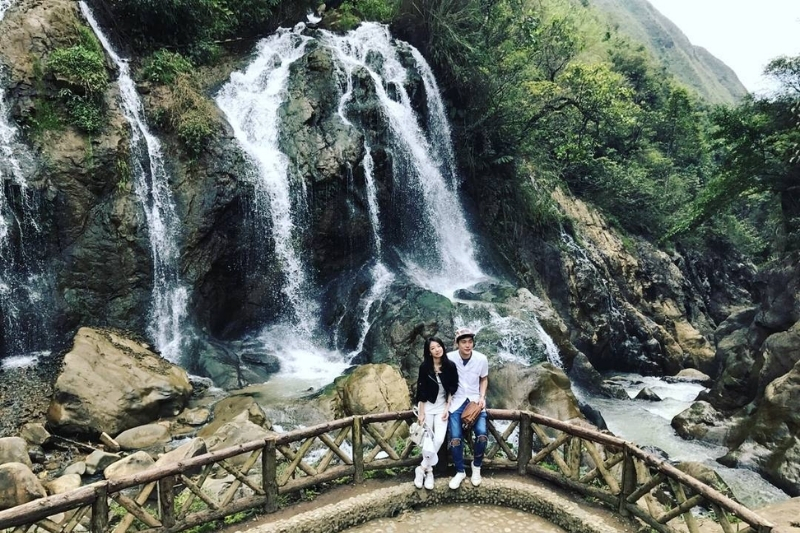
Tien Sa Waterfall, often called Cat Cat Waterfall, is the origin of the village's name, bestowed by the French. With its powerful white currents set against a raw, mountainous backdrop, it is the perfect spot to listen to the soothing sounds of nature and find peace for your soul.
Check in at the center with giant water wheels

The heart of the village is where three major streams converge, adorned with giant hand-made water wheels crafted from wood and bamboo. The combination of these industrious water-powered rice mortars and the bamboo bridges spanning the stream creates a romantic scene that perfectly captures the essence of the Northwest.
Snap photos on the ancient stone paths
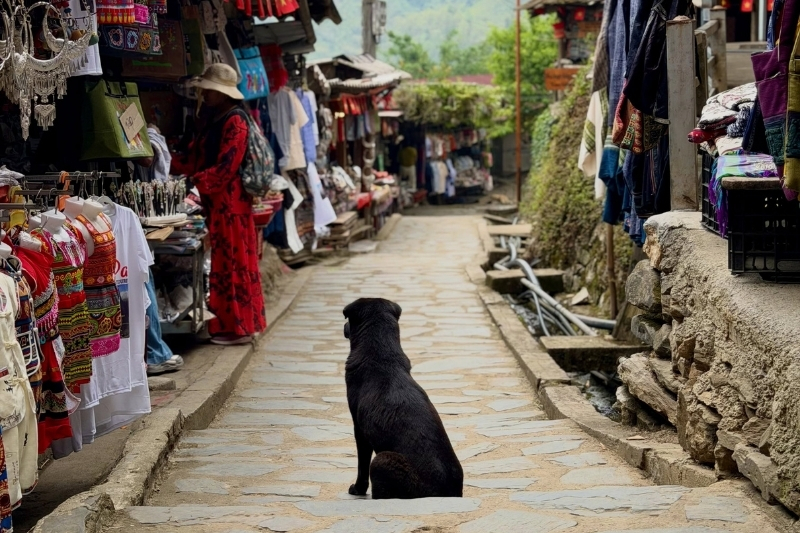
Your journey will take you along winding stone paths, flanked by traditional wooden stilt houses with mossy roofs. The contrast between the vibrant colors of H'Mong textiles at the roadside stalls and the somber gray of the ancient stone paths provides a stunning backdrop for photography.
Unique cultural experiences in Cat Cat Village
Beyond the scenery, your trip would be incomplete without diving into the local culture. Immersing yourself in the daily lives of the ethnic people will help you gain a deeper understanding of the values held dear in this region.
Try on traditional H'Mong attire

Dressing up in local traditional clothing is a highlight for most travelers. Along the path to the village, there are many rental shops offering a variety of beautiful ethnic costumes.
Rental cost: Expect to pay 80,000 VND - 150,000 VND/set, including accessories like umbrellas, headpieces, and silver jewelry. Remember to negotiate the rental time and price before finalizing your choice.
Discover traditional weaving and silver carving
Cat Cat is home to artisans who have preserved the traditional crafts of linen weaving and intricate silver carving. Visiting a local workshop offers a rare glimpse into the painstaking process of creating unique "amulet" jewelry, giving you a greater appreciation for the region's enduring cultural heritage.
Enjoy local cuisine and folk performances
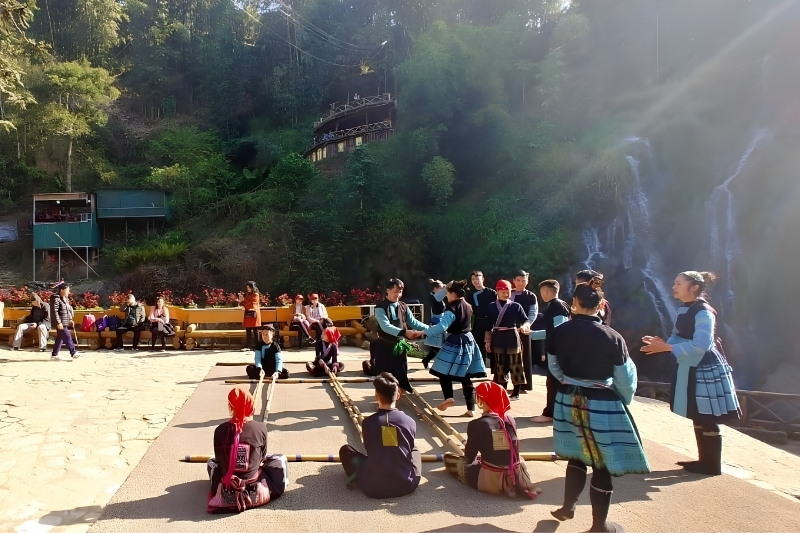
At the village's cultural house, you can enjoy free performances featuring traditional dances and the soulful sounds of the H'Mong panpipe (khen). Afterward, treat yourself to local delicacies like buffalo jerky, grilled corn, or skewers, best enjoyed with a glass of warm corn wine in the crisp mountain air.
Essential tips for a smooth trip
Cat Cat Village features specific mountain terrain with long slopes and stone steps. To ensure a pleasant trip without exhaustion, keep these tips in mind.
Physical activity and footwear
The walking route is about 3km long, involving steep stone steps. Skip the high heels or slippery sandals; opt for comfortable, high-grip sneakers. Always carry water and some light snacks to keep your energy up.
Responsible shopping and interaction
When buying textiles, distinguish between handmade traditional crafts and mass-produced industrial fabric. If local children approach you to sell souvenirs, be polite. You can politely decline or choose to support them by buying a small item instead of giving cash directly.
Self-guided or guided tour?
If you are young, fit, and love independent exploration, a self-guided trip is a great experience. However, if you are traveling with family, the elderly, or young children, a package tour with Beka Travel is the optimal solution. We provide private car transfers, professional guides, and full assistance throughout your journey.
Cat Cat Village is an ideal getaway for those seeking peace away from the urban hustle. The harmony between majestic nature and deep-rooted culture promises a memorable experience.
Frequently asked questions
How much is the Cat Cat Village entrance fee?
Around 150,000 VND for adults, with a reduced rate for children.
How far is Cat Cat Village from Sapa town?
About 2km, roughly a 10-15 minute taxi or motorbike ride, or 30-40 minutes on foot downhill.
How much time should I spend at Cat Cat Village?
Most visitors spend around half a day walking the village loop and visiting the waterfall.
If you are looking for a reputable travel partner for your upcoming Sapa trip, let Beka Travel accompany you. Browse our Cat Cat Village tour or contact us today for curated itineraries and exclusive travel deals!