
Sapa is not just a collection of misty mountains and terraced fields; it is a vibrant cultural mosaic, home to some of the most unique ethnic minority groups in Northern Vietnam. For travelers seeking a deeper connection with the region, understanding the traditions, attire, and customs, a theme woven through our complete Sapa travel guide, of these tribes is the key to an authentic experience that goes far beyond the typical tourist trail.
Quick Summary: Ethnic tribes of Sapa
Sapa is home to five main ethnic groups: H'Mong (roughly half the population), Red Dao (about a quarter), and smaller Tay, Giay, and Xa Pho communities. Each has distinct traditional dress, from the Black H'Mong's indigo-dyed clothing to the Red Dao's elaborately embroidered red headscarves, offering visitors an easy way to tell the groups apart at a glance.
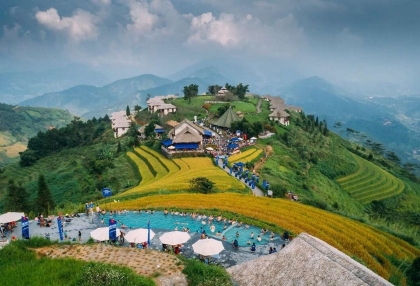
Stepping into the highland villages of Sapa is like entering a living history book where ancient customs are preserved with pride. Whether you are trekking through the verdant Muong Hoa Valley or enjoying a quiet evening in a local homestay, the warmth and resilience of these communities are what truly define your journey to this remote corner of the world.
The cultural mosaic of Sapa
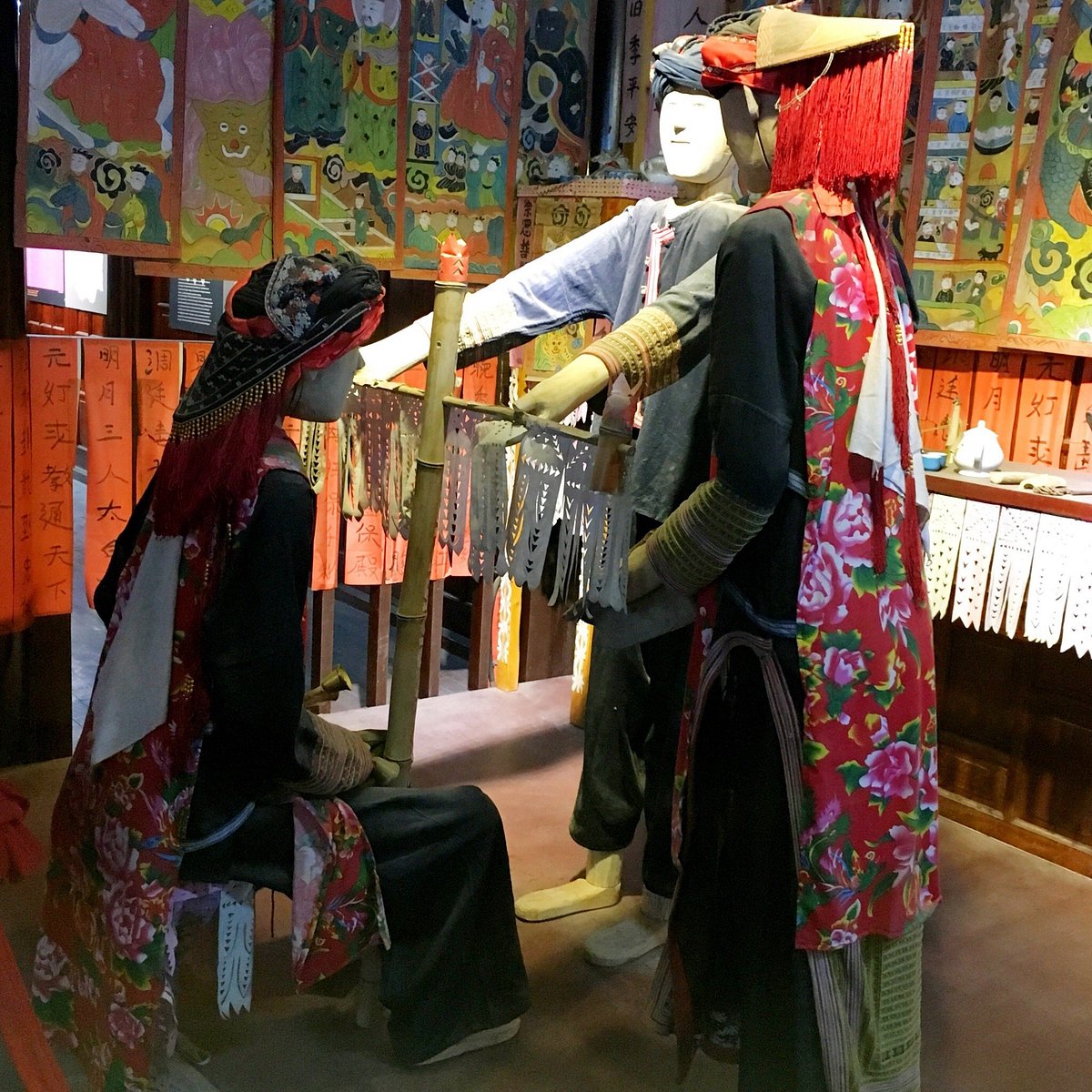
The highlands surrounding Sapa are inhabited by several distinct ethnic minority groups, each with its own language, belief system, and social structure. The primary groups you will encounter include the Black Hmong, Red Dao, Tay, and Xa Pho. These communities have adapted to the rugged mountain terrain over centuries, developing sophisticated agricultural practices and artistic traditions.
Understanding their history requires recognizing that these are not merely "minority groups" but proud nations with deep-rooted identities. The Black Hmong, for example, are renowned for their expertise in cultivating hemp and the labor-intensive process of indigo dyeing. Meanwhile, the Red Dao are celebrated for their profound knowledge of herbal medicine and their distinct aesthetic style.
Geography plays a massive role in shaping these cultural differences. Villages tucked deeper into the mountains often retain more traditional practices compared to those closer to Sapa town. When you visit these remote areas, you are witnessing a delicate balance between preserving heritage and adapting to a rapidly modernizing world, making your interaction even more significant.
The Black Hmong: Guardians of indigo traditions
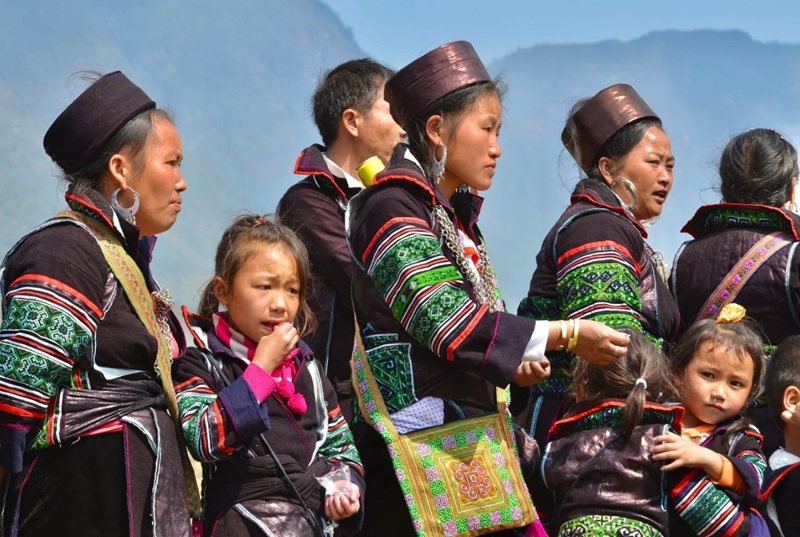
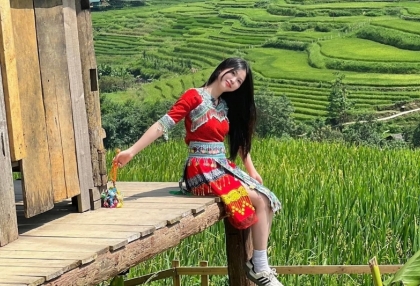
The Black Hmong are the most prominent ethnic group in Sapa, instantly recognizable by their dark, indigo-dyed clothing. Their attire is a testament to their patience and skill, as the process of dyeing fabric involves soaking cloth in indigo vats for days at a time to achieve that signature deep blue-black hue.
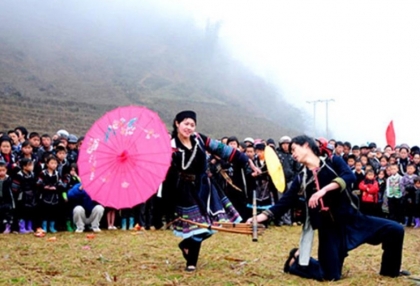
Beyond their clothing, the Black Hmong possess a fascinating social structure built around strong community bonds and clan traditions. During festivals and market days, you will see families gathering not just to trade, but to maintain social ties that have sustained their ancestors for generations. Their batik patterns, often applied to hemp cloth using beeswax, tell stories of their environment and history.
When interacting with the Black Hmong, you will find them to be exceptionally resilient and hardworking. They are deeply connected to the land, and their agricultural techniques-specifically the way they terrace the mountainsides-show an intimate knowledge of hydrology and soil management. Respecting their work by not bargaining too aggressively for their handmade crafts is a small but powerful gesture of appreciation.
The Red Dao: Masters of herbal wellness
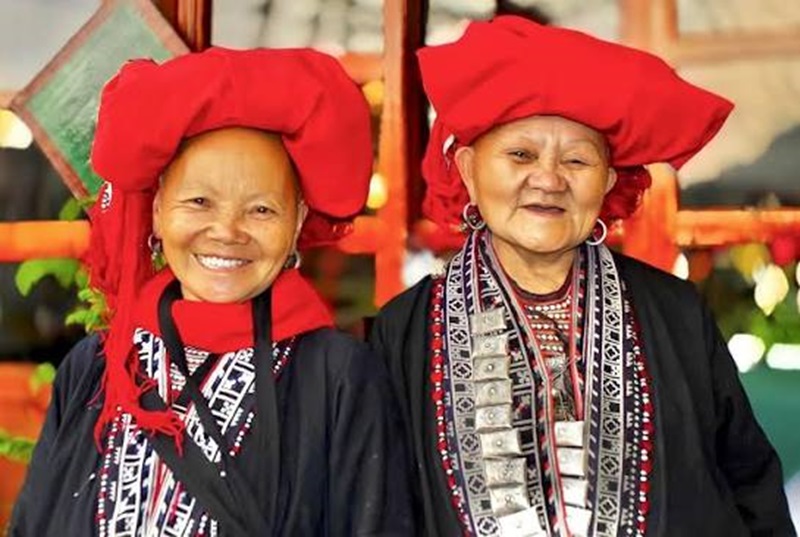
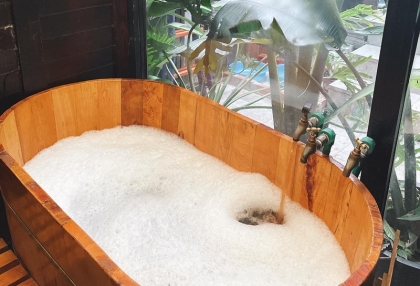
The Red Dao people offer a completely different, yet equally captivating, cultural experience. They are famous across Northern Vietnam for their secret herbal medicine recipes, passed down through generations of women. A traditional Red Dao herbal bath is not just a spa treatment; it is a profound cultural ritual used for healing, relaxation, and post-partum recovery.
You can identify Red Dao women by their striking headscarves, often adorned with intricate red embroidery and silver ornaments. A unique tradition among the women is the shaving of their eyebrows and parts of their hairline, a practice that carries deep cultural and spiritual significance, symbolizing their beauty and identity within their tribe.
Engaging with the Red Dao community gives you insight into a society that deeply values the wisdom of elders. Their folklore, medicinal practices, and agricultural methods are all shared through oral tradition. By participating in a medicinal herb gathering walk or simply enjoying a warm herbal bath, you are supporting the continuation of this invaluable indigenous knowledge system.
Practicing respectful and sustainable tourism
As tourism continues to grow in Sapa, the importance of "responsible travel" has never been higher. These villages are not museum exhibits; they are private homes where families lead their daily lives, raise their children, and honor their ancestors. Your presence, while welcome, should always be marked by a high degree of sensitivity and cultural humility.
Always ask for permission before taking photographs. While many locals are friendly, pointing a camera directly at someone-especially children or individuals performing religious rituals-without consent can be considered invasive. If you wish to take a portrait, a simple smile and a gesture asking for permission go a long way in building rapport.
Furthermore, avoid the common mistake of handing out candy or money to children. While the intention is kind, this practice encourages children to leave school to beg for handouts from tourists. Instead, consider supporting the community by booking local guides, staying in authentic homestays, or purchasing high-quality, handmade crafts directly from the artisans who made them.
Deepening the experience through homestays
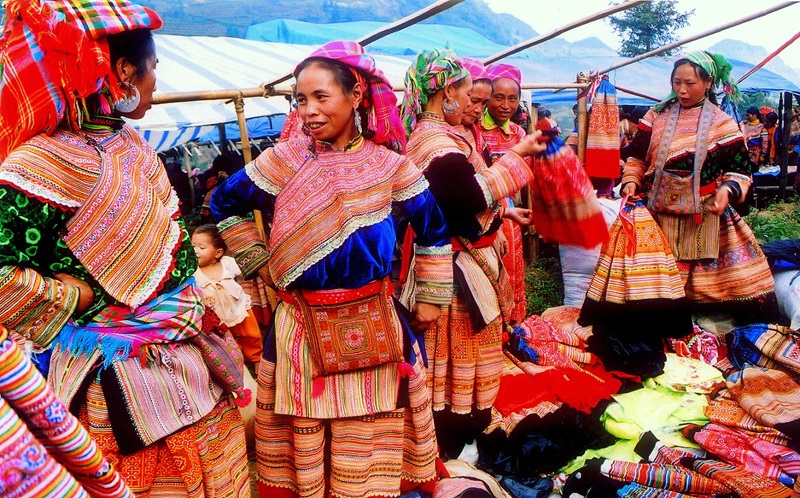
There is no better way to understand the ethnic tribes of Sapa than by sharing their daily life. Choosing a homestay, particularly in villages like Ta Van or Nam Cang, allows you to transcend the role of a tourist and become a guest. You will have the opportunity to join the family for meals, help with household chores, and experience the rhythm of mountain life.
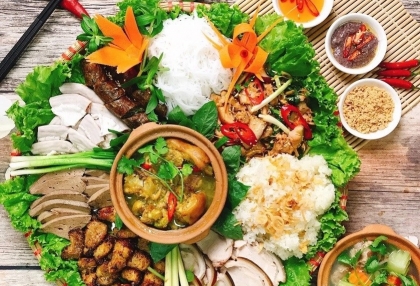
Expect simple, comfortable living conditions where hospitality is warm and genuine. You will likely share meals centered around locally grown vegetables, rice, and perhaps some mountain-raised meat. This communal eating experience is the perfect setting to learn about the family's daily challenges, their aspirations for their children, and their deep connection to the surrounding landscape.
The beauty of a homestay experience is in the quiet moments: watching the morning mist clear over the terraces while sitting on a wooden porch, or listening to the stories of your hosts by the fire. These experiences provide a level of cultural understanding that no guidebook or standard hotel stay could ever hope to replicate, leaving you with memories that truly last a lifetime.
A guide for the ethical adventurer
To truly respect Sapa's ethnic heritage, your approach to trekking and exploration must be sustainable. Stick to established trails to minimize damage to agricultural land, and always pack out what you pack in. Leaving trash in the pristine mountain environment is a direct disrespect to the local communities who have stewarded this land for centuries.
Prioritize hiring local guides from the ethnic minority groups. These guides possess an intimate knowledge of the terrain and can introduce you to sights and stories that you would otherwise miss. More importantly, your payment goes directly into the hands of local families, ensuring that the economic benefits of tourism reach those who need it most, rather than just international travel agencies.
Finally, keep an open mind. You may encounter customs or traditions that differ significantly from your own. Instead of judging them through your own cultural lens, seek to understand the context and history behind them. A respectful, curious, and humble attitude is the best accessory you can carry on your journey through the highlands.
Frequently asked questions
How many ethnic groups live in Sapa?
Five main groups: H'Mong (the largest, around half the population), Red Dao (about a quarter), and smaller Tay, Giay, and Xa Pho communities, each with its own language, dress, and customs.
How can I tell the ethnic groups apart?
Traditional dress is the clearest marker. Black H'Mong wear indigo-dyed clothing with geometric embroidery, Red Dao women wear headscarves with intricate red, yellow, and white stitching, while Tay and Giay dress is plainer, often dark blue with a wide cloth belt.
Is it respectful to take photos of local people?
Always ask first, and consider buying a small handicraft or accepting a guided visit as a way to give back. Treating villagers as hosts rather than photo subjects goes a long way toward a respectful visit.
Ready to embark on an authentic journey through Sapa's hidden villages? Explore our curated Sapa tours and let us help you create unforgettable memories while supporting local communities in a respectful and meaningful way.