
he Art of Red Dao Herbal Baths: A Wellness RitualIn the quiet, misty mountains of Sapa, a centuries-old tradition offers more than just relaxation; it provides a deep, immersive experience into the heart of the Red Dao culture.
Quick Summary: Red Dao Herbal Bath
A traditional Red Dao herbal bath blends dozens of forest herbs and takes about 30-45 minutes to soak. It is said to ease joint pain, poor circulation, and fatigue, and to leave skin feeling smoother. Prices run from 80,000-100,000 VND at simple village setups to 150,000-300,000 VND at mid-range spas.
The Red Dao herbal bath, one of the wellness experiences featured in our complete Sapa travel guide, is not merely a spa treatment, but a sacred wellness ritual passed down through generations of women, designed to heal the body, calm the mind, and restore balance after long days of agricultural labor or mountain trekking.
The heritage of Red Dao herbal medicine
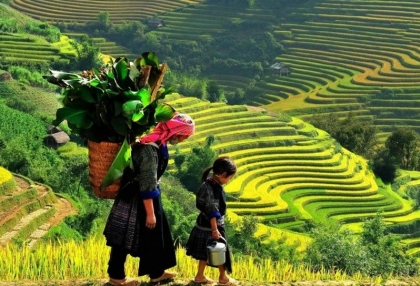
The Red Dao people are renowned throughout Northern Vietnam for their profound knowledge of forest plants and medicinal herbs. For them, the forest is not just a source of livelihood but a vast pharmacy. The herbal bath tradition has been preserved orally, with mothers teaching daughters the specific plants to pick, how to dry them, and the precise ratios required for the perfect brew.
This knowledge is deeply tied to their lifestyle in the high-altitude regions. Because their lives are physically demanding-involving hard work in terraced fields and climbing steep mountain paths-these herbal baths were originally developed to alleviate muscle pain, improve blood circulation, and boost the immune system. Every ingredient, from specific barks to rare leaves, serves a therapeutic purpose.
Understanding this heritage requires appreciating the time and labor involved. Preparing a true Red Dao bath takes hours. It involves foraging for diverse herbs, sometimes venturing deep into the forest to find the exact species, then boiling them for an extended period to extract their full medicinal potential. When you step into a bath, you are stepping into a concentrated extract of the Sapa wilderness.
The secret ingredients of the forest
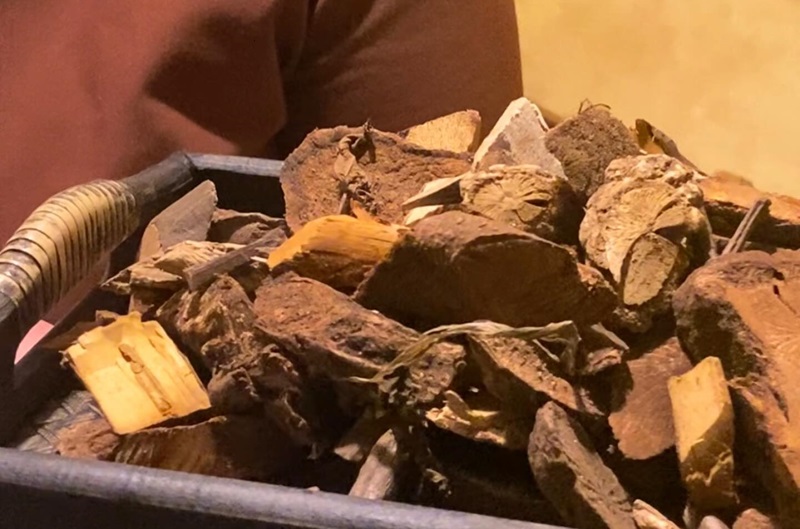
While the exact recipes are often guarded family secrets, most traditional Red Dao herbal baths contain a blend of more than ten different herbs. Common ingredients include various species of ginger family plants, medicinal barks, and aromatic leaves that provide both physical healing and an incredible scent that fills the room as the water steams.
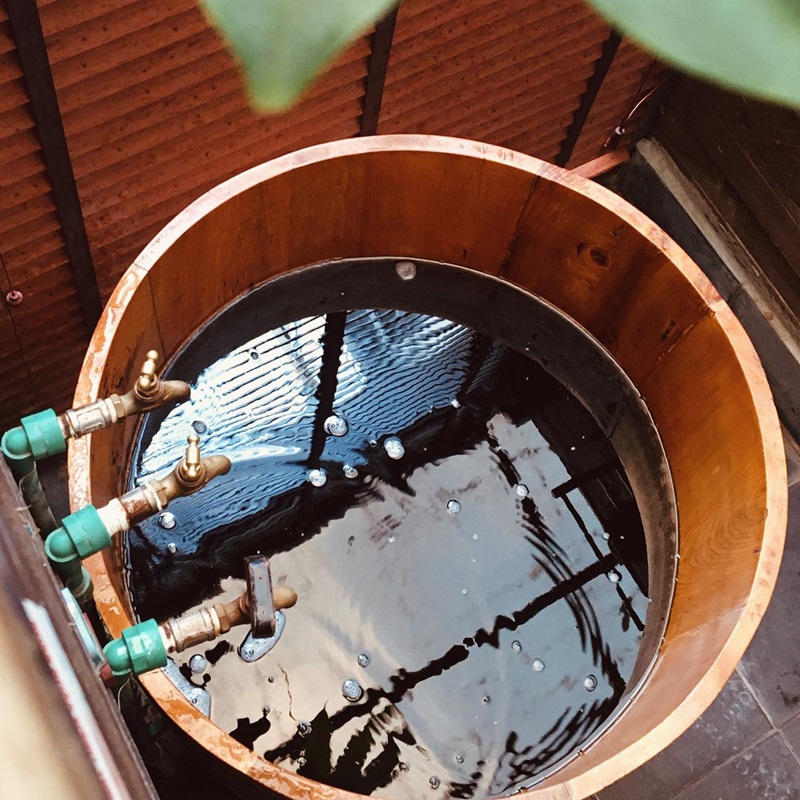
These herbs are chosen for their ability to dilate blood vessels, improve circulation, and relax tense muscles. When the dark, rich infusion of herbs hits the hot water, it creates a steam that helps clear the respiratory system, providing relief even before you submerge. The color of the water is typically a deep, dark brown, which can surprise travelers who are used to clear spa water, but this color is a mark of the high concentration of natural nutrients.
What makes this experience truly unique is that it is entirely natural. There are no synthetic oils or chemical scents. It is a direct interaction with the botanical world of the Hoang Lien Son range. Because the ingredients are sourced fresh from the mountains, every bath can slightly vary in composition depending on the season, making each session a unique, seasonal wellness experience.
Why you should experience it in Sapa
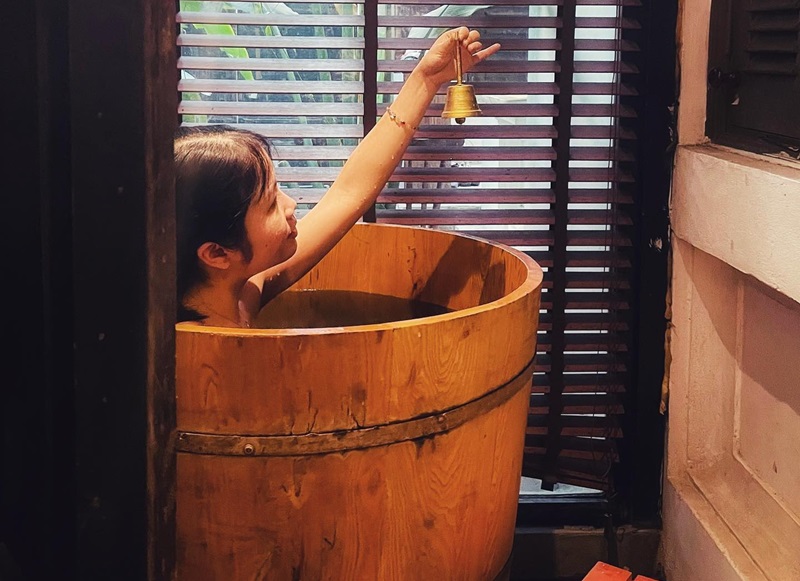
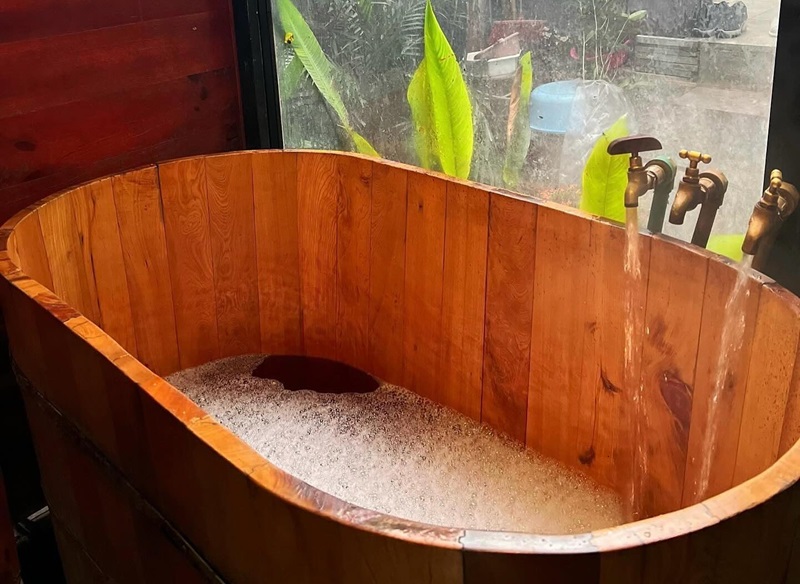
Many places in Sapa town now offer "Red Dao baths," but for the true experience, it is highly recommended to seek out small, family-run establishments or homestays in villages like Ta Van or Nam Cang. In these settings, you are often bathing in a large wooden barrel made from local wood, which adds an earthy, natural element that enhances the herbal properties.
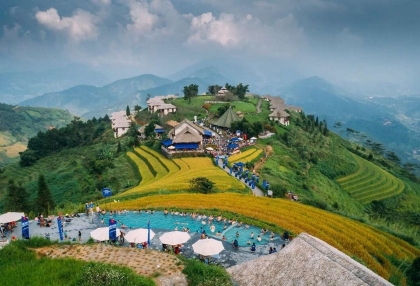
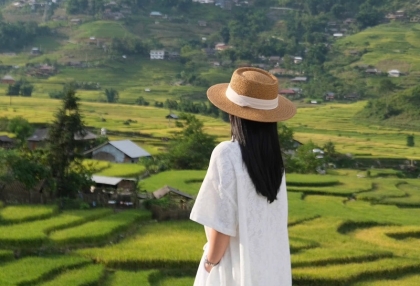
The atmosphere in a village homestay is significantly different from a commercial hotel spa. Imagine sitting in a large wooden tub, looking out over the rice terraces as the sun sets. The silence of the mountain evening, combined with the warmth of the medicinal water, creates a meditative state that is difficult to find elsewhere. It is an opportunity to slow down and reconnect with yourself.
Furthermore, by choosing to experience this ritual in a village, you are supporting the local community directly. The money paid for the bath goes to the families who have put in the hard work of gathering the herbs and maintaining the traditional bathing facilities. It is a sustainable way to enjoy local culture while ensuring the tradition remains vibrant for the next generation.
Practical tips for your herbal bath
To get the most out of your Red Dao herbal bath, preparation is key. It is recommended to drink plenty of water before and after your bath, as the heat and the herbal potency can lead to sweating and detoxification. Do not rush the process; allow yourself at least 30 to 45 minutes to soak properly and let the herbs work their magic. Prices range from around 80,000-100,000 VND at simple village setups in Ta Phin to 150,000-300,000 VND at mid-range spas in town, often bundled with a massage or herbal tea.
You may feel a bit lightheaded after a particularly long soak due to the intensity of the herbs. If this happens, take a brief break and rest. It is common to feel a sense of deep relaxation or even sleepiness afterward, so it is best to schedule your herbal bath for the evening, allowing you to retire immediately to your room for a restful night's sleep.
Finally, always show respect to the hosts. The herbal bath is a part of their culture, not just a service. If you are staying at a homestay, ask your host to explain the benefits of the herbs they have used. They are usually very proud of their traditional knowledge and will be happy to share stories about how their ancestors used these plants for healing, which will enrich your experience far beyond the physical benefits.
Frequently asked questions
How much does a Red Dao herbal bath cost?
Simple village setups in Ta Phin charge around 80,000-100,000 VND, while mid-range spas in town run 150,000-300,000 VND, often including a massage or herbal tea afterward.
What health benefits does it offer?
The herb blend is traditionally used for joint pain, poor circulation, fatigue, and skin issues, and many locals also use it to recover after heavy drinking or physical exertion.
How long should I soak?
Around 30-45 minutes is typical for adults; soaking much longer can cause lightheadedness from the heat and active herbal compounds.
Ready to relax and rejuvenate in the mountains? Explore our curated Sapa tours and wellness experiences, where we connect you with authentic local traditions that leave you feeling refreshed and inspired.