
There is a specific, fleeting moment in Sapa just as the sun begins to break over the Hoang Lien Son range, when the world seems to stand still. The morning mist swirls gently through the valleys, clinging to the emerald slopes of the iconic terraced rice fields. For photographers and travelers alike, following our complete Sapa travel guide, this is the magic hour, a time when Sapa reveals its true, breathtaking beauty in a way that simply cannot be captured at any other time of day.
Quick Summary: Sapa terraces at dawn
The best light for photographing Sapa's rice terraces falls between 7:00-9:00 AM, when morning mist still lingers over the valley, and again from 4:00-5:30 PM, when long shadows accentuate each terrace step. Muong Hoa Valley and Ta Van offer some of the widest, most photogenic terrace views.
Why dawn is the photographer's best friend in Sapa
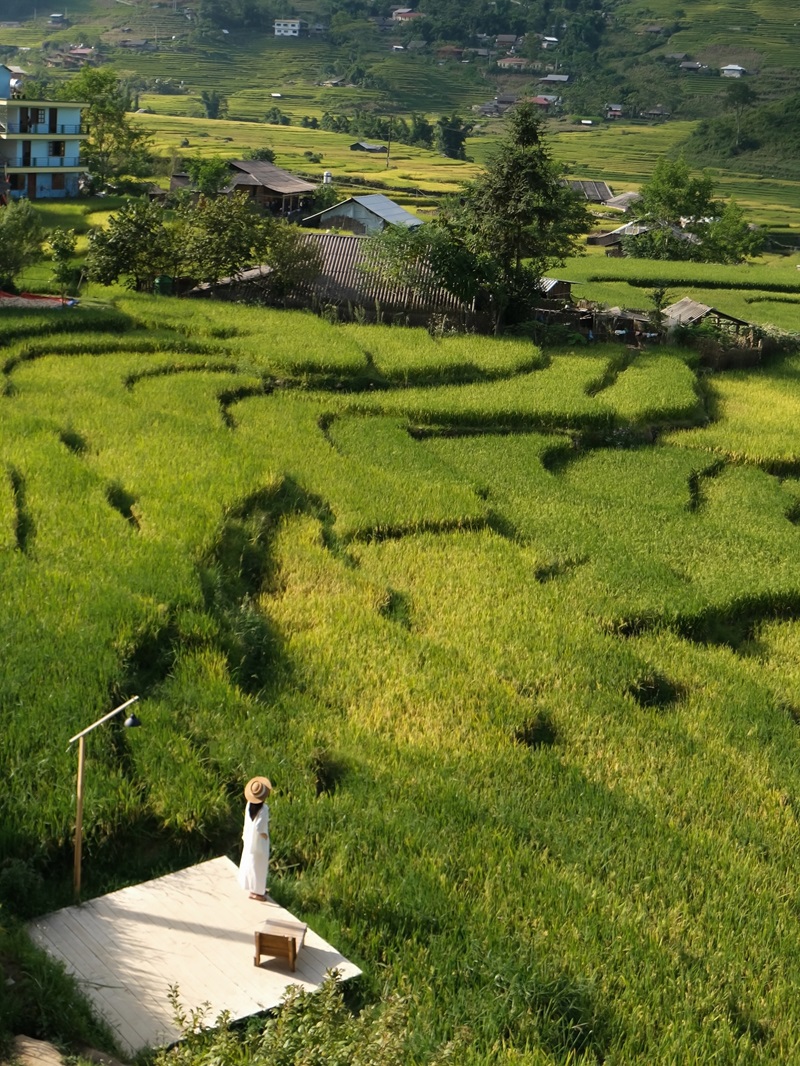
Capturing the landscape of Sapa requires patience and an understanding of its unique light conditions. During the middle of the day, the sun can be harsh, flattening the intricate contours of the rice terraces and creating high-contrast shadows that are difficult to manage. Dawn, however, offers soft, diffused light that accentuates the layered textures of the landscape, making every terrace stand out in high definition.
Moreover, the mist is a crucial element of Sapa's atmospheric allure. At dawn, the valleys are often filled with low-hanging clouds that lift slowly as the day progresses. This mist creates depth, allowing you to layer your photos with foregrounds of sharp rice stalks and backgrounds of fading mountains, adding a sense of scale and drama that is vital for landscape photography.
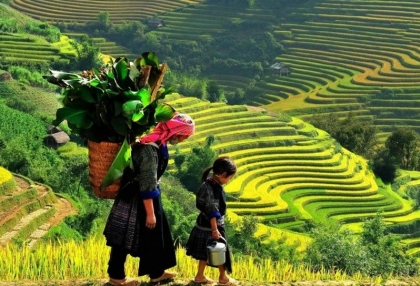
Finally, dawn is when the life of the mountains truly begins. As you wait for the perfect light, you are likely to witness the daily ritual of local farmers heading to their fields or animals being released for grazing. These candid moments of human and animal activity add a narrative dimension to your photography, moving your work beyond static landscapes into a living, breathing story of the highlands.
Best photography spots for morning light
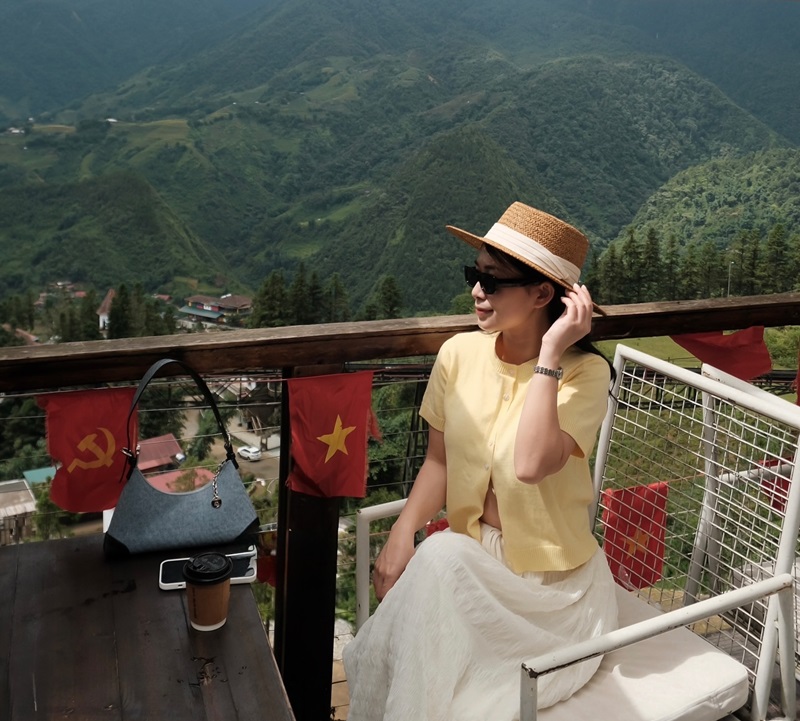
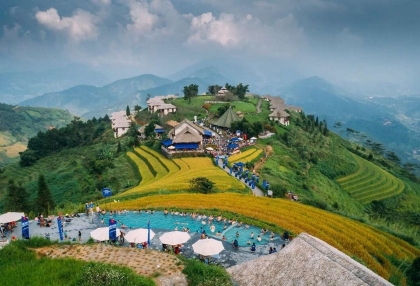
To capture the best sunrise shots, location selection is everything. The Muong Hoa Valley is arguably the most famous spot, offering expansive, panoramic views of tiered rice paddies that catch the first golden rays of the morning. Standing on the ridges above the valley, you can observe the sun painting the terraces in brilliant hues of gold and green, providing endless opportunities for wide-angle compositions.
Y Linh Ho and Ta Van villages are equally stunning, though they offer a more intimate perspective. Here, the terraces are steeper and closer together, allowing you to focus on the geometric patterns of the water-filled fields during the planting season or the vibrant yellow of the harvest season. These areas are ideal for getting closer to the textures of the rice and the intricate details of the local architecture.
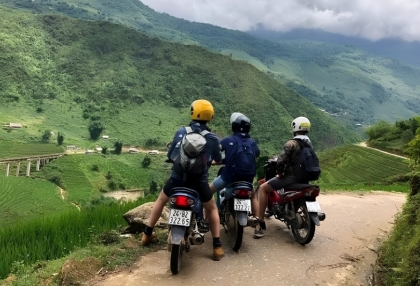
For those willing to venture further, the road toward Lao Chai offers spectacular vantage points that are often less crowded than those near Sapa town. From these higher elevations, you can look down upon the entire valley, capturing the way the sunlight illuminates specific patches of the rice fields while others remain in the cooling shadow of the morning mist. Each location offers a different story, so it is worth scouting your preferred spot the day before.
Mastering light, mist, and composition
Photography in Sapa is as much about managing the weather as it is about light. The mist can be your greatest asset or your biggest challenge. Learn to use it to create separation between the layers of your image. If the mist is too thick, try focusing on close-up details-perhaps a drop of dew on a rice leaf or the silhouette of a buffalo-instead of trying to force a wide landscape shot that might be obscured.
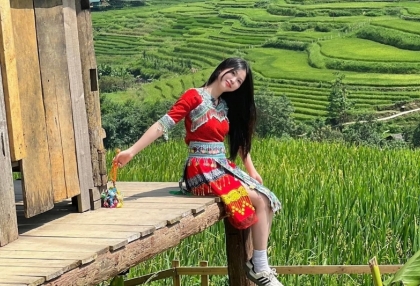
Compositionally, look for leading lines. The curved paths of the rice terraces act as natural leading lines that draw the viewer's eye through the frame and toward the distant mountains. Use the rule of thirds to position the sunrise or the highest peaks, and do not be afraid to incorporate foreground elements like a wooden fence or a local worker's basket to give the scene a sense of place and scale.
The transition from twilight to full sunrise happens very quickly. Have your settings ready before the first light appears. Use a low ISO to keep your image clean and sharp, and consider using a polarizer filter to cut through the haze and enhance the greens of the rice. A tripod is absolutely essential, not just for the low light, but to allow you the time to experiment with long exposures if you want to capture the ethereal movement of the morning clouds.
Equipment and ethical considerations
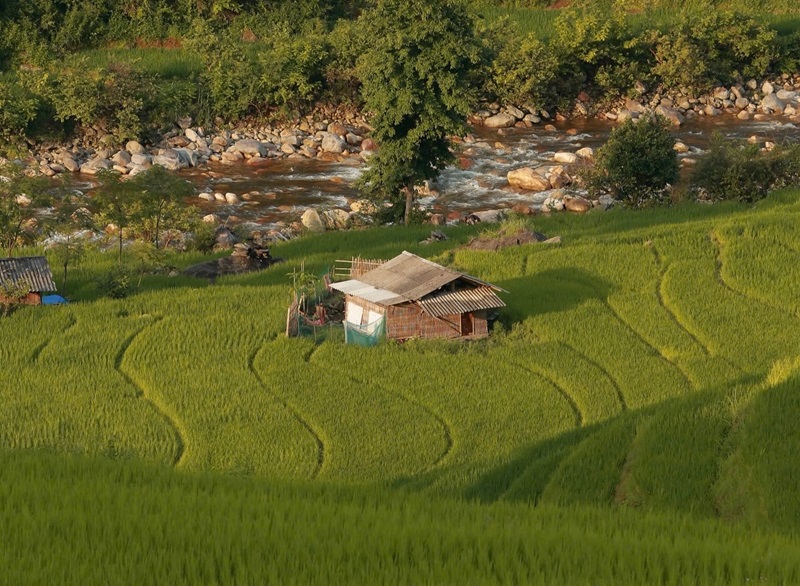
When packing for Sapa, versatility is the key. A wide-angle lens is perfect for capturing the vastness of the terraced valleys, but a medium telephoto lens is indispensable for isolating specific layers of the landscape or capturing candid portraits of life in the mountains. Because Sapa's weather is notoriously unpredictable, ensure your gear is protected from the moisture of the morning mist and the occasional mountain drizzle.
Equally important is your approach to photography as a guest in these communities. While the landscape belongs to everyone, the fields are private property belonging to hard-working farmers. Never trample through crops to get a better angle, and always be mindful of where you set up your tripod. Respect the agricultural cycle-the terraces are the livelihood of the local people, not just a backdrop for your portfolio.
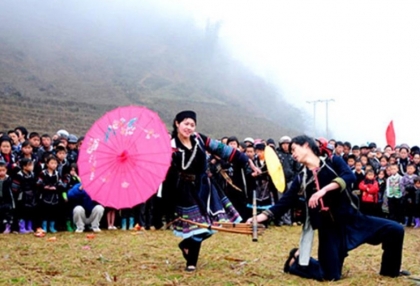
If you wish to photograph local people, always ask for permission first. A polite gesture and a smile are usually all it takes to build rapport. Many of the ethnic minority people are open to being photographed, but they appreciate being treated as individuals rather than objects. By engaging respectfully and perhaps sharing a moment of conversation, you will often find that you capture more authentic and emotive portraits that truly reflect the soul of Sapa.
Frequently asked questions
What time is best for photographing the rice terraces?
Aim for 7:00-9:00 AM, when morning mist still clings to the valley, or 4:00-5:30 PM, when low light casts long shadows that bring out the layered "stairway" texture of the terraces.
Where are the best viewpoints?
Muong Hoa Valley and Ta Van village offer some of the widest, most photogenic terrace views, while O Quy Ho Pass gives a more panoramic, elevated angle over the whole valley.
What season has the most striking terraces?
September and October bring the golden harvest look, while the flooded planting season in May and June creates mirror-like reflections that many photographers prefer.
Want to capture the perfect shot of Sapa's stunning landscapes? Join one of our specialized Sapa tours, designed for photography enthusiasts and nature lovers who want to explore the hidden gems of the Northern highlands with expert local guidance.