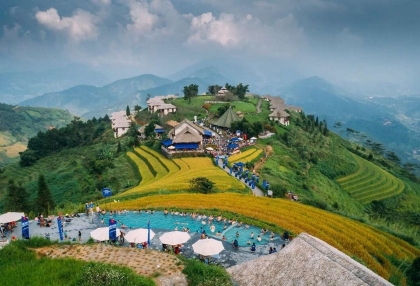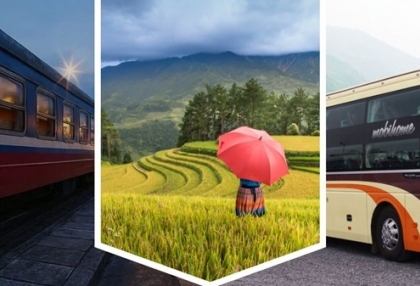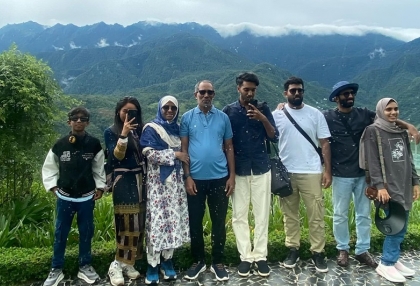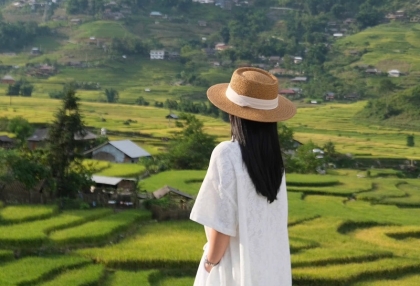

Sapa is a feast for every sense, and that absolutely includes your taste buds. Digging into the Sapa local food scene is one of the most rewarding things you can do up here, because the culinary landscape of the Northern highlands is as diverse as the ethnic communities who shaped it. From warming stews bubbling over open fires to rice roasted inside bamboo, the flavours here belong to the mountains and nowhere else in Vietnam.
Quick Summary: Sapa local food
Must-try Sapa dishes include thang co (a slow-cooked H'Mong hotpot), fresh salmon and trout raised in the cold mountain streams, and com lam (sticky rice roasted in bamboo). A simple local meal runs $2-5, mid-range restaurants $5-15, and upscale dining $15-30 per person.
Eating well is not a side note to the trip, it is a huge part of the cultural experience, and it is genuinely one of the best reasons to slow down and stay a little longer.
If you are still mapping out your days, it helps to pair your meals with the rest of your route, so keep our ultimate Sapa travel guide handy while you read. That way you can slot the best food stops between treks, market mornings and lazy afternoons without feeling rushed.
The cultural heart of highland cuisine
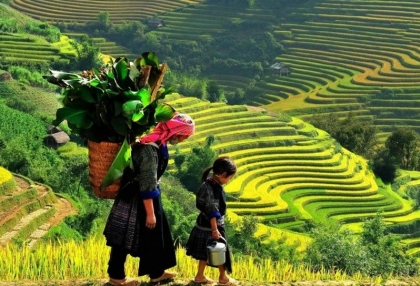
Highland cooking is rooted in geography and the farming rhythm of the local ethnic groups. Because the climate runs cooler and the terrain climbs steeply, the food is built to deliver energy and warmth after long days in the fields. You will notice that many dishes lean on ingredients gathered straight from the forest or the terraced paddies, which keeps every plate closely tied to the landscape around it.
The techniques are often centuries old. A lot of dishes are slow simmered, fermented or grilled, and each method draws out the natural depth of the ingredients rather than covering it up. Wild forest pepper known as mac khen shows up again and again, lending a fragrant, gently numbing lift that instantly tastes like this corner of the country. This is never just fuel, it is a living tradition that celebrates whatever the mountains have to offer that season.
When you choose to eat local, you step into a way of life that has fed these communities for generations. The hospitality matters as much as the meal itself. Sharing food in Sapa is a communal act, and even at a tiny roadside stall you will often feel a warmth in the service and a real pride in the ingredients that somehow makes every bite land a little better. It also helps to understand who is cooking, which is why a quick read on the ethnic tribes of Sapa adds so much context to what ends up on your plate.
The must-try dishes of the highlands
You could eat your way through Sapa for a week and still find something new, but a handful of dishes capture the soul of the place. These are the ones to hunt down first, and most pair beautifully with a shot of local corn wine or a simple dip of sesame salt.
Thang co, the soul of the mountains
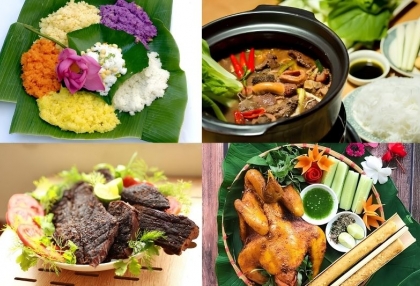
This is probably the most famous and culturally loaded dish in Sapa. Originally a Hmong recipe built around horse meat and offal, it becomes a rich, herbal soup after hours of slow simmering with a blend of regional spices. It can feel adventurous for first timers, yet it is the quintessential highland flavour and a genuine badge of local heritage. Order it at a market stall where a big pot has been going all morning and you will taste it at its best.
Com lam, bamboo sticky rice
Com lam is the comfort food of the mountains. Rice is packed into hollow bamboo tubes and roasted slowly over a fire until it turns fragrant, faintly smoky and perfectly tender. It usually arrives with grilled pork or chicken, and a dip into local sesame salt takes it over the top. It is simple, portable and quietly addictive, which makes it the ideal snack to grab before a morning trek.
Grilled brook fish
Pulled from the cool streams of the Hoang Lien Son range, these small fish are marinated with herbs and grilled over charcoal until the skin crisps and the flesh stays sweet and tender. It is a light, clean plate that balances beautifully against the heartier highland dishes. Squeeze on a little lime, wrap it in fresh herbs and you have one of the most refreshing bites in town.
Smoked buffalo meat
You will spot this hanging above many local kitchens, slowly curing in the smoke of the family fire. The result is deeply savoury, satisfyingly chewy and packed with flavour, the kind of snack you keep reaching for. It is usually served with a dipping sauce of local chilli and herbs, and it pairs so well with a glass of corn wine that one round rarely feels like enough.
Seven-colored sticky rice
This vibrant, almost jewel-like dish comes from the Nung people, who use natural leaves and roots to dye the rice into seven distinct colours. It is as flavourful as it is beautiful, with each shade carrying its own herb or plant. You will often see it at festivals and celebrations, and it perfectly captures the artistry that runs through highland cooking. For a fuller run through the region's signature plates, our roundup of must-try Sapa specialties goes even deeper.
Where to find authentic flavours
For the most honest experience, steer clear of the tourist-heavy restaurants lining the main street in Sapa town. Head instead for the busy, humble stalls around the local market area. These spots are usually packed with locals, and a crowd of locals is the surest sign of quality and fair value. The food is fresher, more traditional and a fraction of the price of the bigger, flashier places.
Markets are the beating heart of the food scene, so build a morning around one. Wandering the stalls at the Sapa Love Market gives you a front-row seat to how highland ingredients move from field to fire, and it is where a lot of the best snacking happens. Follow your nose toward the charcoal smoke and you will rarely be disappointed.
Homestays are another brilliant way to taste the real Sapa. When you stay with a local family, dinner is usually built from home-grown vegetables, mountain-raised meat and recipes handed down through the generations. This is about as close to a home-cooked highland meal as you will get, and for many travellers it turns out to be the single best meal of the whole trip. If you are exploring the surrounding villages, pause at the small roadside restaurants that feed farmers and travellers alike, and look for the ones with a charcoal grill out front for the freshest grilled meat and sticky rice.
Tips for a great dining experience
When you eat, especially at street stalls, keep an open mind. Some flavours will be new or intense, and honestly that is half the fun. It is completely fine to ask your host or guide about the ingredients in a dish, because they are usually proud to explain where a recipe comes from and why it matters. A little curiosity goes a long way and often earns you an extra spoonful.
On hygiene, favour places with a high turnover of customers, since brisk trade means the food is fresh. Bottled water is easy to find and worth sticking to instead of tap water. If you have any dietary needs, spell them out clearly and early, while understanding that highland cooking leans heavily on its traditional ingredients and may not bend too far from them.
Finally, sidestep the tourist traps that push generic, overpriced set menus. If a place has a menu in five languages with photos of pizza and pasta, it is probably not where the real flavours live. Seek out the stalls and family kitchens that focus on the dishes above, and you will walk away with a far more genuine appreciation for what makes Sapa such a special place to eat.
Frequently asked questions
What is the most famous Sapa dish?
Thang Co, a slow-cooked stew traditionally made with horse meat and organs and more than 20 herbs and spices, is the signature H'Mong dish most associated with Sapa, though it is an acquired taste for some travelers.
How much does a meal cost in Sapa?
A simple local meal runs about $2-5, mid-range restaurant dishes $5-15, and upscale dining $15-30 per person, making Sapa an affordable place to eat well regardless of budget.
Is Sapa salmon really local?
Yes. Sapa's cold mountain streams are one of the few places in Vietnam where salmon and sturgeon are successfully farmed, giving the fish a firmer texture and fresher taste than imported varieties, most often served as hotpot.
Hungry for an authentic highland adventure? Plan your trip with the local team at Sapa tours and let us point you toward the hidden gems of the region's food scene, well away from the crowds.