



 Hanoi
Hanoi
Where to Stay in Hanoi: Complete Neighborhood and Accommodation Guide
Discover where to stay in Hanoi. Explore our detailed neighborhood guide covering the best areas, Old Quarter boutique hotels, luxury zones, and family options.
Last updated: July 25, 2026
Quick Summary: What do first-time visitors need to know about Hanoi?
Hanoi rewards 3 days of exploring: the Old Quarter's 36 guild streets, the Temple of Literature, and a street food crawl through Pho, Bun Cha, and egg coffee. The cheapest airport transfer is public Bus 86 (about 45,000 VND, every 45 minutes). Most nationalities need a 90-day e-visa (25 USD single entry), and note two 2026 landmark changes: the Ho Chi Minh Mausoleum closes for annual maintenance from September 5 to November 3, and Train Street access now requires entering through a licensed local cafe rather than walking the tracks freely.
Hanoi, the vibrant capital of Vietnam, is a city where ancient history blends seamlessly with rapid modernization. For anyone visiting Vietnam for the first time, this guide serves as both an introduction to the country's culture and a major transit gateway to northern wonders like Halong Bay and Ninh Binh. Navigating this energetic metropolis takes a mix of curiosity, patience, and practical knowledge.
The key to enjoying the capital is balancing historical exploration with relaxed downtime at local establishments. The real magic lies in absorbing the local atmosphere and watching daily life on the sidewalks, not just ticking off monuments.
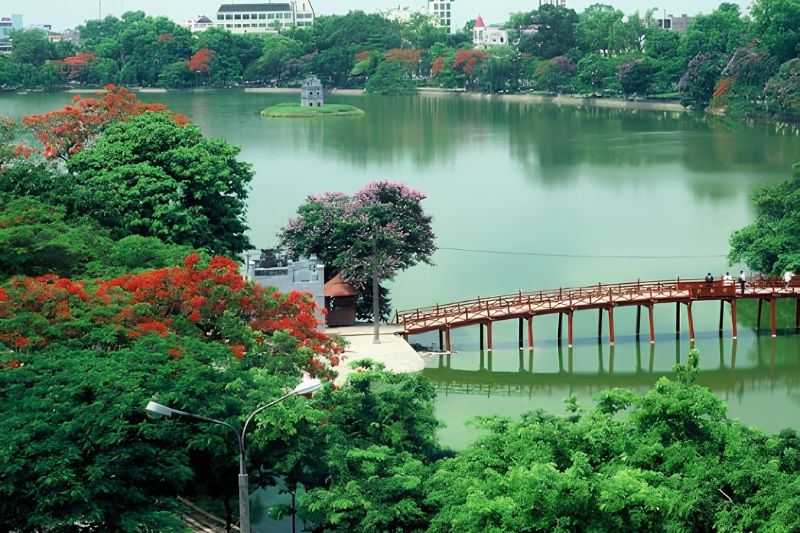
This lake turns into a peaceful oasis in the early mornings, especially on weekends when surrounding roads close to traffic and locals practice tai chi and jog along the shore. At its center sits the photogenic Turtle Tower (Thap Rua), built in 1886 to commemorate the legend of King Le Loi, who is said to have returned a magical sword to the lake's Golden Turtle God after using it to defeat foreign invaders, giving the lake its name, "Lake of the Returned Sword." Crossing the red, wooden Huc Bridge takes you to Ngoc Son Temple on Jade Island, a small but atmospheric complex offering a glimpse into the city's spiritual roots.
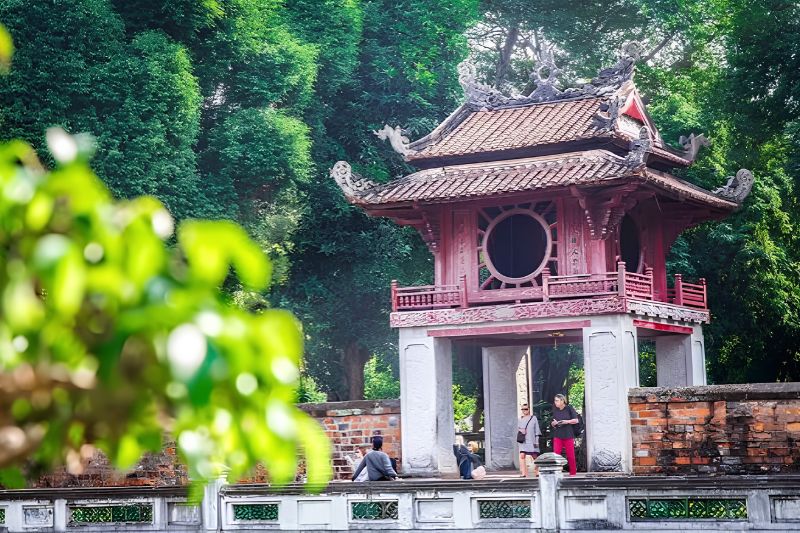
Built in the 11th century as Vietnam's first university, this complex features five tranquil courtyards, traditional architecture, and 82 ancient stone stelae, each balanced on the back of a stone turtle and inscribed with the names of doctoral graduates from imperial examinations dating back centuries. It's a quiet escape from the traffic outside and one of the best-preserved examples of traditional Vietnamese academic architecture in the country.
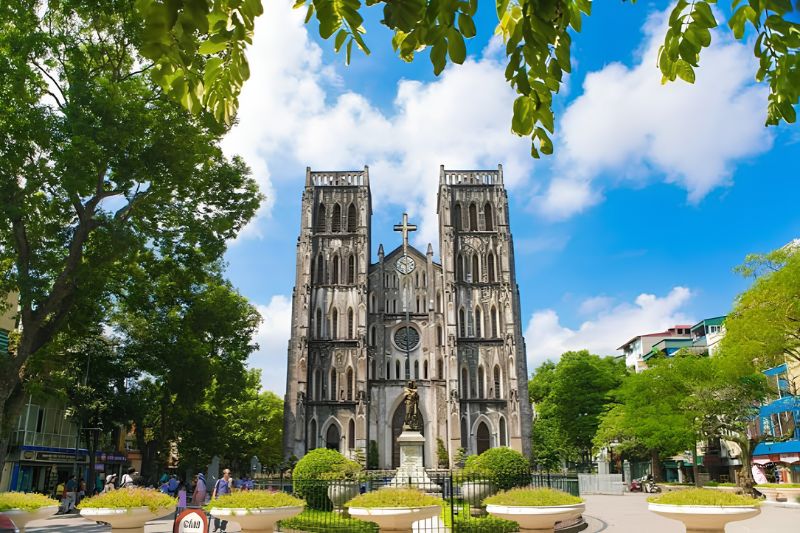
Modeled after Notre Dame in Paris, this neo-Gothic church is one of the best-preserved examples of French colonial architecture in the city. The interior is open to visitors from 8:00 to 11:00 AM and 2:00 to 5:00 PM daily outside of Mass times, while the exterior facade is worth photographing any time, especially in the early morning for dramatic silhouette lighting or after dark when the towers are illuminated above the old street lamps.
Vietnam's largest lake and, perched on a small peninsula near its shore, the country's oldest pagoda, dating back to 541 AD. It's a calmer counterpoint to the Old Quarter's chaos, especially at sunset when the lakeside cafes fill with locals.

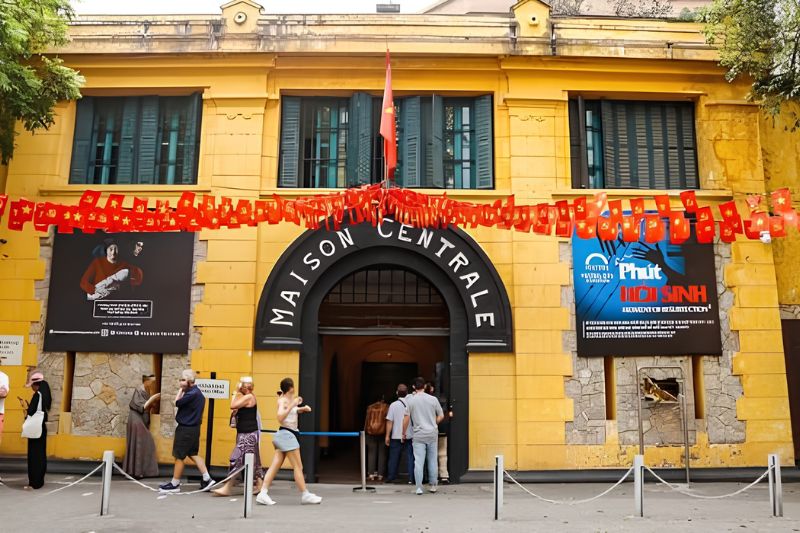
Built by French colonists in the 1890s to hold Vietnamese revolutionaries and later used to detain American POWs during the Vietnam War, who nicknamed it the "Hanoi Hilton." The museum is open daily from 8:00 AM to 5:00 PM, with tickets running roughly 30,000 to 50,000 VND. It's sobering but essential; budget 1.5 to 2 hours for a proper visit.
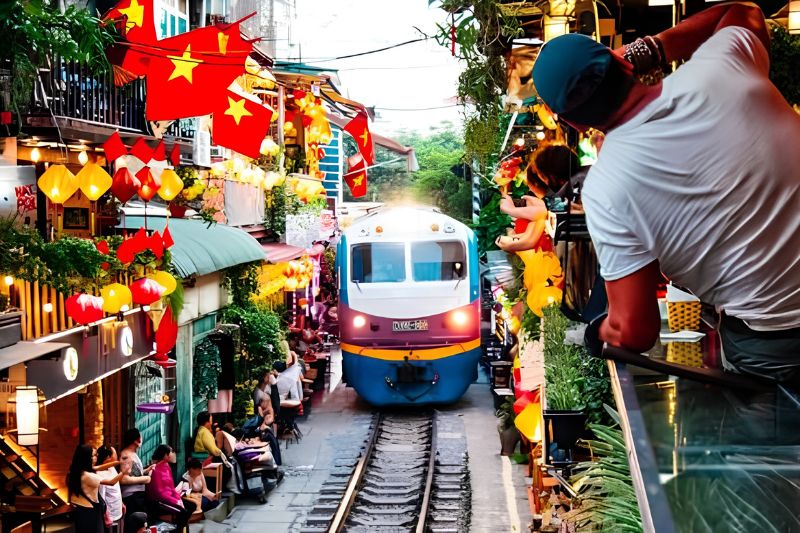
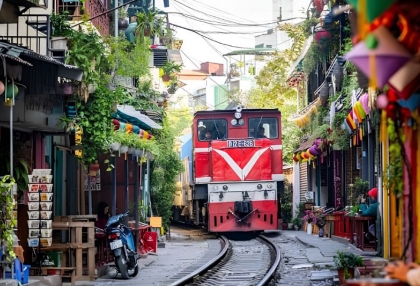
Grab a coffee at one of the small cafes along Phung Hung or Tran Phu where trains pass just inches from the storefronts, one of the most photographed spots in the city. See the regulations section below for how to visit legally, since independent access to the tracks is now restricted.
Vietnam's oldest operating water puppet theater, founded in 1969 just steps from Hoan Kiem Lake, stages an art form that dates back over 1,000 years to the rice paddies of northern Vietnam. Each roughly 50-minute show covers around 18 traditional scenes, including the Legend of the Restored Sword, accompanied live by traditional instruments like the dan bau and sao. Tickets run roughly 100,000-200,000 VND, and weekend evening shows sell out a few days in advance, so book ahead if you want a specific slot.

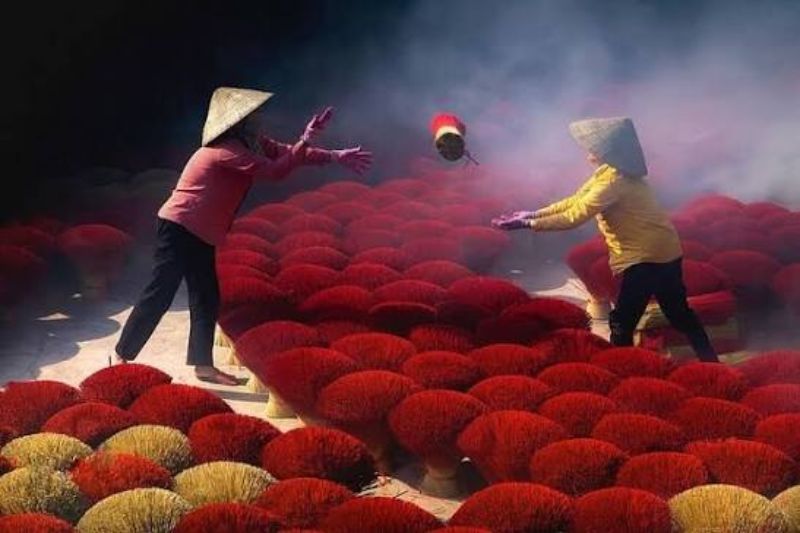
About an hour outside the city, these craft villages make for a striking half-day detour, covered in more detail in the day trips section below.
No trip to the capital is complete without dedicating substantial time to the labyrinthine streets of the historic core, built around a 36-guild street network. Historically, each narrow street sold one specific type of merchandise, from silver and silk to bamboo and traditional medicine, and walking down these paths today still feels like stepping back in time, with specific trades still clustered together.
To truly experience the area, embrace wandering without a strict map. Weave through alleys packed with historical tube houses, hidden communal temples, and French colonial facades, and keep an eye out for street vendors balancing bamboo poles laden with fresh fruit or flowers. Sidewalks are often used for scooter parking and street dining, so expect to step onto the edge of the road often, a defining part of any first visit.
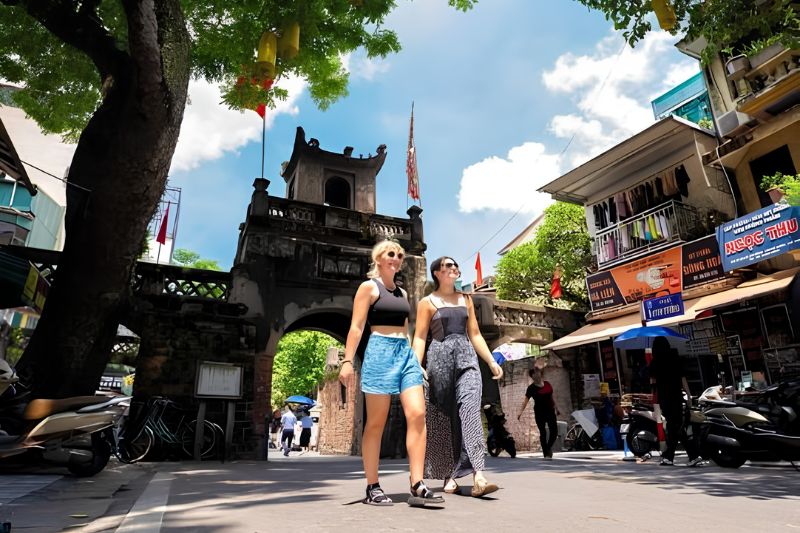
For shopping, this neighborhood is the best spot for authentic souvenirs, from embroidered textiles and tailored silk to conical hats and Vietnamese coffee beans. On Friday, Saturday, and Sunday evenings, the main thoroughfares turn into a weekend night market with stalls selling clothing, handicrafts, and street snacks.
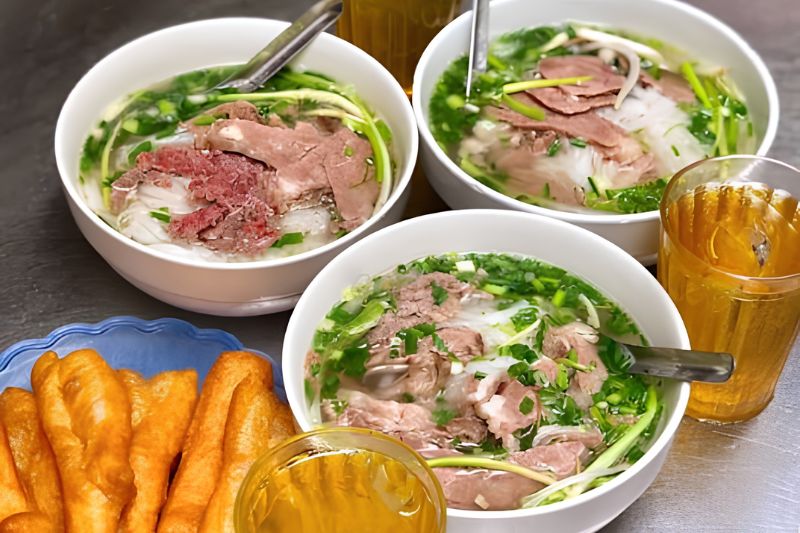
Hanoi is a global street food capital. Don't leave without trying these dishes:
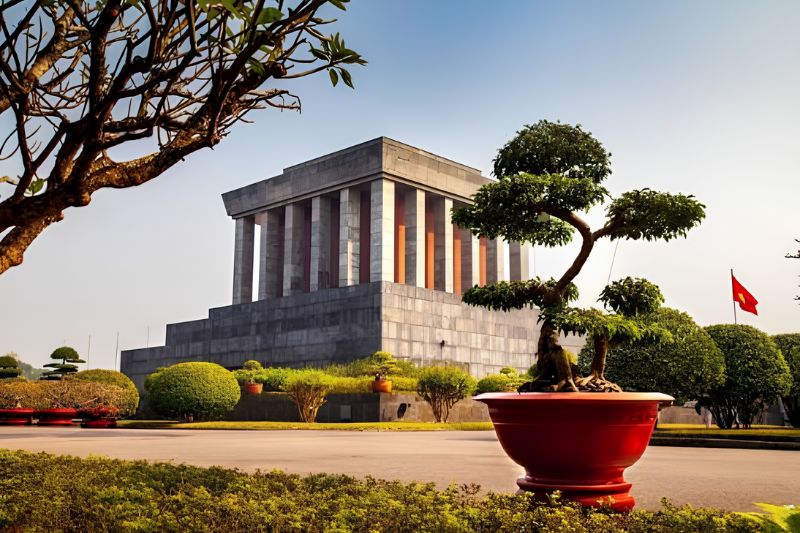
Ho Chi Minh Mausoleum complex: this is the final resting place of the nation's revolutionary leader. The mausoleum closes annually for routine preservation work, scheduled for September 5 to November 3, 2026, interior visits are suspended during this window, though Ba Dinh Square and the surrounding grounds remain accessible. It's also closed every Monday and Friday outside this window. When open, strict dress codes apply, shoulders and knees covered, no photography inside the chamber, and visitors must stay silent.
Train Street regulations: due to safety concerns on the active railway running inches from residential doorsteps, authorities have restricted free pedestrian access along the Phung Hung and Tran Phu sections. Independent tourists can no longer walk freely on the tracks, to visit legally, you need to enter through a licensed local cafe and sit in the designated seating as the train passes.
If you have 5 or more days, Hanoi's location makes it the natural base for two of northern Vietnam's most iconic day or overnight trips.
See our Hanoi to Halong Bay transport guide for the full breakdown of getting there.
An ideal duration for exploring the capital thoroughly without feeling rushed is 3 days, enough to experience core cultural highlights, indulge in the food scene, and prepare for onward transit to the north.
Hanoi's four distinct seasons each bring a different mix of weather, seasonal food, and festivals, so timing your trip changes the whole experience.
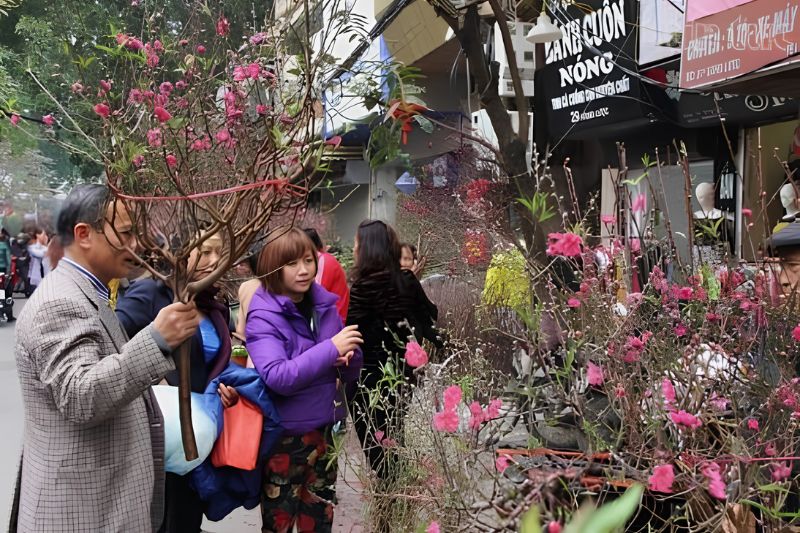
Spring brings mild temperatures, clearer skies as the season progresses, and occasional light drizzle early on. It's also when Tet, Vietnam's Lunar New Year, usually falls in late January or early February, bringing citywide decorations, family reunions, and peach blossom and kumquat trees for sale on every corner; note that many small businesses close for several days around the holiday. Look out for spring specialties like banh troi and banh chay, small glutinous rice balls served during the Cold Food Festival in March.
Summer in Hanoi is hot, humid, and prone to sudden afternoon thunderstorms, with temperatures regularly climbing into the mid-30s°C. On the upside, this is peak season for tropical fruit, especially lychee (vai) in June and mango, sold fresh from bicycle carts across the city.

Widely considered the best time to visit, autumn brings cool, dry air, clear blue skies, and comfortable temperatures around 20-27°C. The Mid-Autumn Festival (Tet Trung Thu), usually in September or October depending on the lunar calendar, fills the Old Quarter with lanterns, mooncakes, and toy stalls for children. This is also when com (young green rice) is in season, a fragrant Hanoi specialty often eaten with ripe banana or made into small cakes.
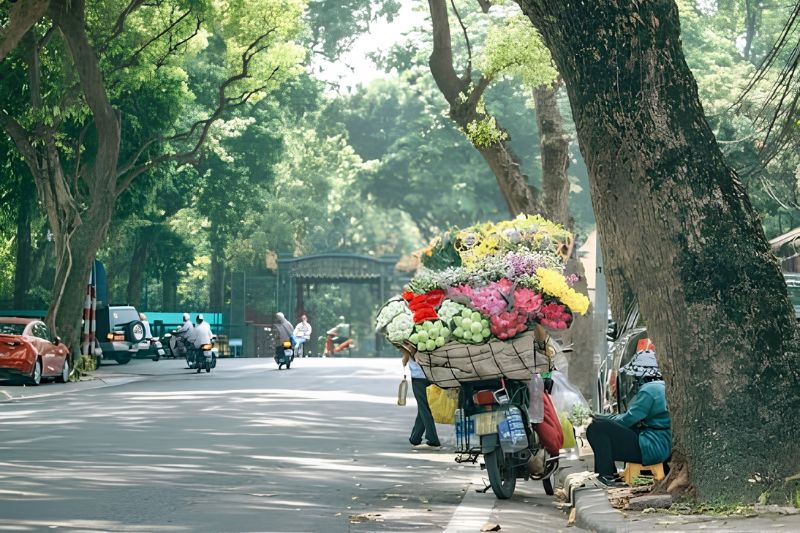
Winter is cool and often damp, averaging 15-20°C but dropping to 10-12°C during cold snaps, with humidity that makes it feel colder than the thermometer suggests. Pack layers. Streets fill with banh chung, the square sticky rice cake wrapped in banana leaves, as families prepare for the Tet holiday that typically falls in this window.
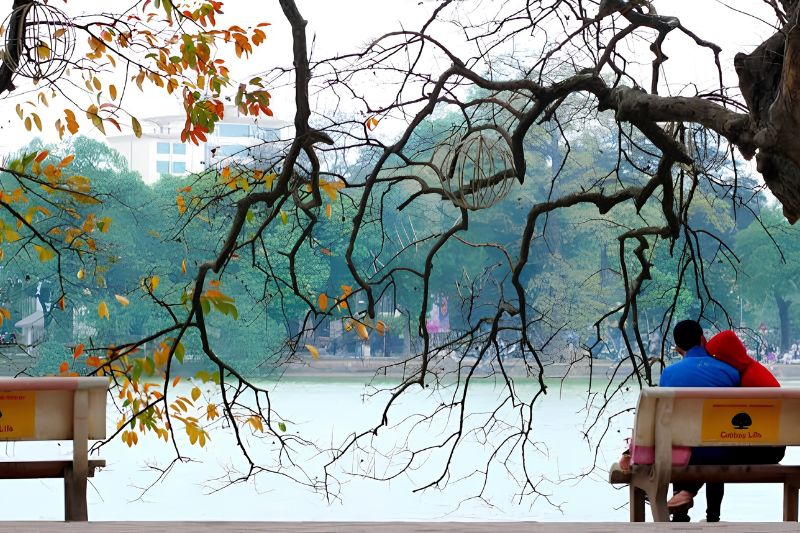
Most nationalities need an e-visa to enter Vietnam, valid for up to 90 days with single or multiple entry options. Apply online at the official government portal at least a week before departure; the official fee is 25 USD for single entry or 50 USD for multiple entry, and standard processing takes 3-5 working days. You'll need a passport valid for at least six months, a scan of the passport bio page, and a passport-style photo. Keep both a digital and printed copy of your approved e-visa for arrival.
The Vietnamese Dong (VND) is the local currency, and cash is still preferred at most street food stalls, markets, and taxis, so carry small notes. International cards are widely accepted at hotels, restaurants, and shops, though your bank may charge a 1-3% conversion fee. At card machines, always choose to pay in Vietnamese Dong rather than your home currency; the "convert to home currency" option typically costs 5-10% extra with no benefit. For withdrawals, use ATMs inside banks or shopping malls from established banks like Vietcombank, BIDV, or Techcombank rather than isolated street machines, and exchange cash only at official bank branches or your hotel's front desk.
Hanoi is generally very safe, but a few scams target tourists specifically. In the Old Quarter, watch for "shoe shiners" who grab your foot to start polishing before you can object, then demand inflated fees, and street photographers who place a bamboo fruit yoke on your shoulders for a "free" photo before aggressively demanding 200,000-500,000 VND. When exchanging money or receiving change, count it slowly before walking away, since switched or short-changed notes are a common trick given how similar Vietnam's banknotes can look. Basic travel insurance and a photocopy of your passport are worth having, and stay alert for pickpockets in crowded markets and on public transport.
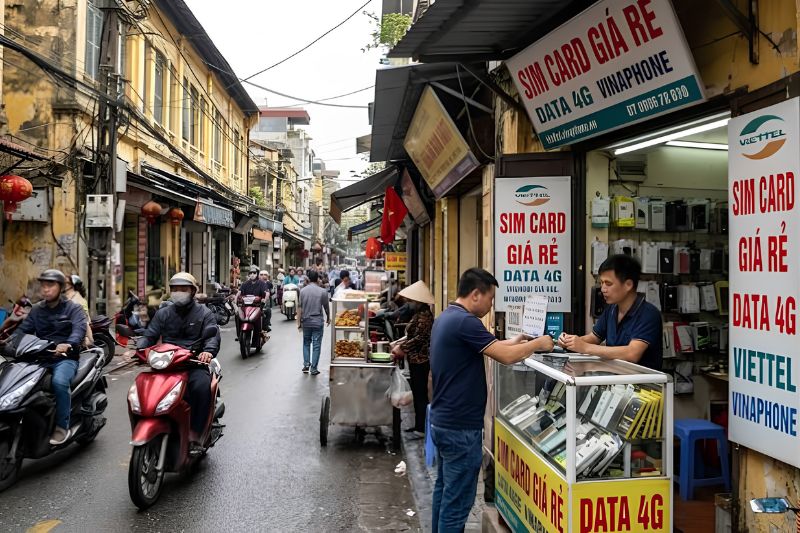
The easiest option is an eSIM, purchased online before departure from a provider like Airalo, Holafly, or Nomad, and activated the moment you land, no shop visit or passport copy required. If you need a physical SIM, airport kiosks at Noi Bai sell them but at a 30-50% markup compared to official Viettel or Vinaphone stores in the city center; if you can manage on airport Wi-Fi for the ride into town, buying your SIM in the Old Quarter gets you significantly better value. Coverage is strong throughout Hanoi and other major tourist destinations.
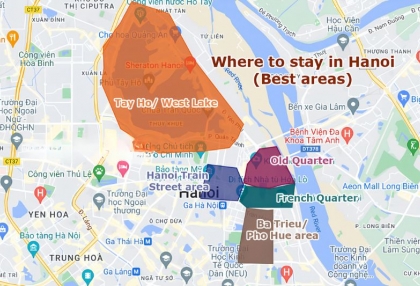
Hanoi's neighborhoods offer genuinely different experiences, so picking the right base shapes your whole trip.
A popular strategy for longer stays is spending two to three nights in the Old Quarter first, then relocating to West Lake to decompress for the remainder of the trip.
Costs in Hanoi vary widely by travel style. Budget travelers eating street food and staying in hostel dorms can get by on roughly 25-40 USD a day. Mid-range travelers choosing air-conditioned restaurants, Grab cars, and 3-star hotels should budget 60-100 USD a day. Luxury travelers preferring fine dining, private cars, and 5-star heritage hotels typically spend 150-250 USD a day.
Airport transfers: landing at Noi Bai International Airport, use an official ride-hailing app like Grab for transparent pricing to the historic center (about 40-50 minutes, roughly 250,000 VND). For a cheaper option, public Bus 86 runs directly between Noi Bai and the city center for about 45,000 VND, departing every 45 minutes from 06:40 to 22:15, with a ride time of around 50-55 minutes. Avoid unofficial drivers in the arrivals hall to prevent overcharging scams.
Getting around the city: Grab (cars and motorbike rides) is the easiest and most transparent way to get around day-to-day, with fares shown upfront in the app. The Old Quarter and Hoan Kiem Lake area are compact enough to explore entirely on foot, and cyclos (pedal rickshaws) offer a slower, novelty way to tour the historic core, though always agree on a price before boarding.
| Best neighborhood to stay | Hoan Kiem (Old Quarter), for maximum walkability to food and sights |
| Recommended duration | 3 days, optimal for city highlights and food culture |
| Must-try foods | Pho, Bun Cha, egg coffee, Banh Mi |
| Essential app | Grab, for cars and motorbike rides |
| Cheapest airport transfer | Bus 86, about 45,000 VND, every 45 minutes |
Three days is enough to cover the Old Quarter, major landmarks, and the food scene without feeling rushed, longer if you're also planning day trips to Halong Bay or Ninh Binh.
Public Bus 86, at about 45,000 VND per person, running every 45 minutes between 06:40 and 22:15. Grab is faster and more convenient but costs roughly 250,000 VND.
Not freely. Independent access to the Phung Hung and Tran Phu sections is restricted for safety, you need to visit through a licensed local cafe and sit in designated seating as the train passes.
Most nationalities do. The e-visa is the simplest route, valid for up to 90 days, costing 25 USD for single entry or 50 USD for multiple entry, and applied for entirely online 3-5 working days before you travel.
Yes, Hanoi is generally very safe. The main risks are petty scams like inflated shoe-shine fees or short-changing rather than violent crime, so staying alert in crowded tourist areas and double-checking change is usually enough.
Browse more Hanoi travel guides as we add them, or if you're ready to head north, most first-time visitors pair Hanoi with a trip to Halong Bay or Cat Ba Island. If you want the same limestone scenery with a fraction of the crowds, Lan Ha Bay is worth the extra couple of hours on the road.
Hanoi
Discover where to stay in Hanoi. Explore our detailed neighborhood guide covering the best areas, Old Quarter boutique hotels, luxury zones, and family options.
 Hanoi
Hanoi
Discover the Hanoi Train Street schedule for weekdays and weekends. Learn how to visit legally, find the best trackside cafes, and stay safe.
 Hanoi
Hanoi
Only 48 hours in Hanoi? This 2-day itinerary covers the Old Quarter, Train Street, the Mausoleum, and the Temple of Literature without feeling rushed.
 Hanoi
Hanoi
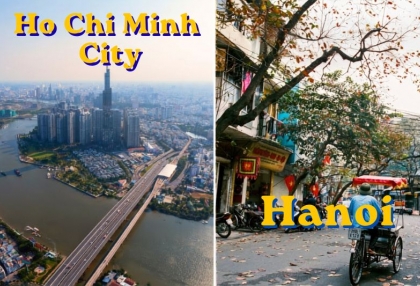
Torn between Hanoi and Ho Chi Minh City? Compare atmosphere, culture, food, weather, and regional gateways to choose the right anchor for your Vietnam trip.
 Hanoi
Hanoi
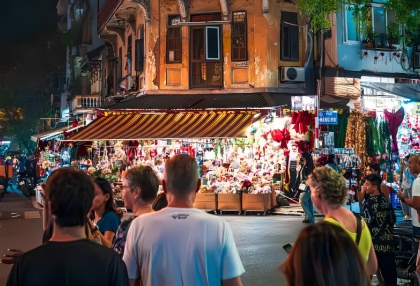
Wondering if Hanoi deserves a spot on your itinerary? An honest look at the culture, food, traffic, and ideal trip length to help you decide.