



 Hanoi
Hanoi
Where to Stay in Hanoi: Complete Neighborhood and Accommodation Guide
Discover where to stay in Hanoi. Explore our detailed neighborhood guide covering the best areas, Old Quarter boutique hotels, luxury zones, and family options.
Last updated: July 24, 2026
Quick Summary: Hanoi Train Street schedule
Trains pass through the narrow residential corridor a handful of times a day, more often on weekends than weekdays, but exact times shift day to day and vary between sources. You can no longer walk onto the tracks independently, visiting now requires being seated inside a licensed trackside cafe before the train arrives. Arrive 30-40 minutes early, buy a drink, and ask the cafe staff for that day's expected passing time rather than trusting any single published table.
One of the most unique and thrilling urban spectacles in Southeast Asia is the famous railway track running through a narrow residential neighborhood in Vietnam's capital. Known globally as Train Street, this corridor has become a magnet for international travelers. Navigating the Hanoi Train Street schedule is the key to experiencing it safely and legally. This guide covers the timetables, current safety regulations, and insider tips to help you secure the perfect trackside seat and watch a locomotive pass just inches from local households.
The history of this railway line dates back to the French colonial era, built to transport passengers and goods between the capital and northern provinces. Over the decades, local families built their homes right along the edge of the active tracks, creating a hyper-dense living space where daily life unfolds directly on the rails. When a train approaches, the street transforms instantly: outdoor tables get pulled back, children are ushered inside, and scooters are parked tight against the walls. For first-time visitors, watching this fluid transition is a highlight in itself.
The most critical part of planning your visit is knowing roughly when trains are due to pass through the narrow residential lane. Schedules vary between weekdays and weekends, with more frequent passes on Saturdays and Sundays. Arrive at least 30 to 40 minutes before the scheduled time to secure a good seat at a trackside cafe.
Important caveat before you rely on any published table, including this one: train times at Train Street genuinely shift day to day, and different travel sites, including several we cross-checked while researching this guide, report noticeably different schedules for the same section. A 10 to 15 minute variance from the posted time is common, and on some days an extra or missing slot shows up entirely. Treat any published schedule, including the one below, as a general planning guide only, and always confirm the next passing time with a trackside cafe owner on the day of your visit.
| Day of the week | Approximate passing times |
| Weekdays (Mon-Fri) | 19:00, 19:45, 20:30, 21:30 |
| Weekends (Sat-Sun) | 08:45, 09:15, 11:30, 15:20, 16:20, 17:30, 18:20, 19:00, 19:45, 20:30, 21:00 |
On standard weekdays, trains typically pass through the central residential section during the late evening, making daytime sightings rare. On weekends, the timetable expands to include several daytime slots, favored by photographers hoping to capture the scene in clear daylight. If your schedule allows, a weekend visit gives you the best chance of catching a train pass in good light.
A common source of confusion for international tourists is the presence of permanent metal barriers and security staff at the main entry points, particularly along the Phung Hung and Tran Phu sections. These barriers exist to stop independent, unguided pedestrians from walking onto the active tracks, a genuine safety hazard. To get past these checkpoints, you need to understand the local cafe system.
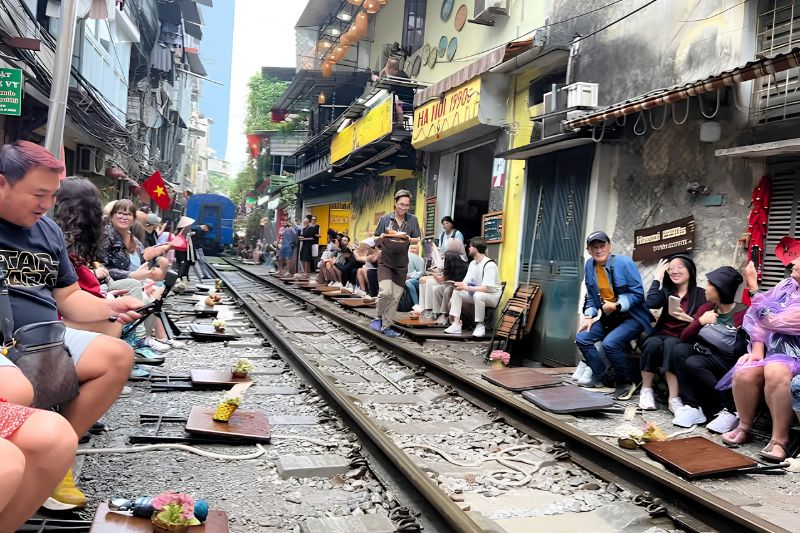
The current rule requires all visitors to be seated inside a licensed trackside cafe before the train arrives. Security guards won't let you walk past the barrier alone. Instead, you're met at the checkpoint by a local cafe owner or staff member, who escorts you directly to their establishment. As you approach the security line, cafe operators will signal to you, agree to follow them to their shop, and the guards will let you pass.
Once inside, you're expected to buy a drink, Vietnamese egg coffee, a fresh coconut, or a local beer, which functions as your entry fee. You're free to take photos on the tracks while waiting, but when the sirens sound and cafe owners start giving instructions, retreat immediately inside the designated safety line of your chosen cafe.
The residential railway line splits into two main tourist zones, each with a different visual perspective and vibe. The northern section, near the Phung Hung intersection, features a charming, curved track lined with multi-story tube houses adorned with lanterns and hanging plants, highly photogenic. The southern section, near the Tran Phu entry point, is straighter and narrower, giving an intense sense of speed and proximity as the train barrels through. Many cafes here have narrow second and third-floor balconies, offering a safe aerial vantage point for video without ground-level crowds blocking the view.
Note: an earlier version of this guide referenced a "Cafe Giang Train Street branch," but this couldn't be verified. The original Cafe Giang, famous for egg coffee, only has a confirmed location at 39 Nguyen Huu Huan in the Old Quarter, not on Train Street itself.
While the experience is thrilling, maintaining alertness and following safety rules is essential. A moving train weighs hundreds of tons and cannot stop quickly if someone steps onto its path. When local operators begin clearing the tracks, follow their commands instantly, they understand the exact clearance needed for the specific train running that day.
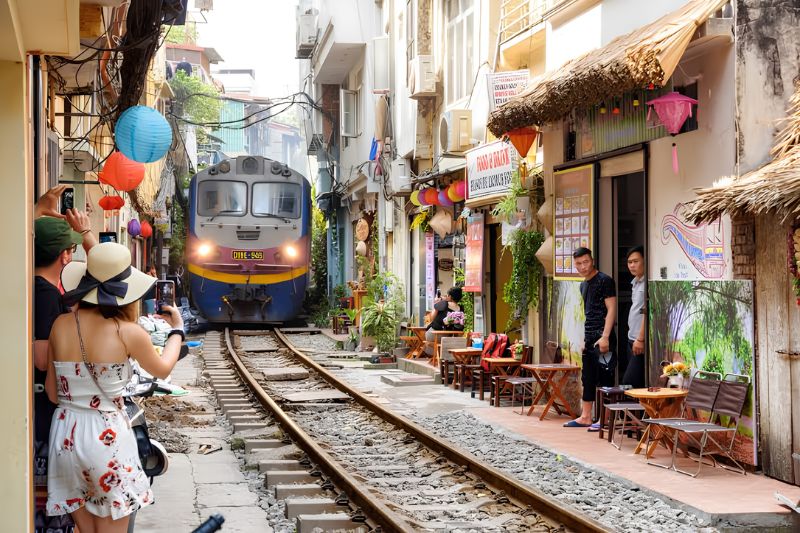
Never lean out past the cafe boundary for a selfie or extend a camera or selfie stick onto the tracks while a train is passing, the rushing wind and protruding metal parts of the carriages can cause serious injury. Keep bags and personal belongings tucked securely inside the cafe seating area, and if you're traveling with young children, keep them under close physical supervision throughout the visit.
There's no official entrance fee, but you're expected to buy a drink or snack at the trackside cafe that escorts you past the barrier, this functions as your access fee.
No. Independent pedestrian access to the Phung Hung and Tran Phu sections is restricted for safety. You must be escorted in by a licensed cafe owner or staff member.
It can be, with close supervision. Keep children seated well inside the cafe boundary at all times, especially as the train approaches, and never let them near the edge of the safety line.
It happens often, schedules shift day to day and vary between sources. Arrive early, order a drink, and ask the cafe staff for that day's expected passing time rather than relying solely on any single published table.
Sync your Train Street visit with the rest of your trip using our Hanoi Travel Guide 2026 for a full itinerary, fit it into our 2-day Hanoi itinerary, or read Is Hanoi Worth Visiting? for an honest first-timer's take before you book. Browse more Hanoi travel guides as we add them.
Hanoi
Discover where to stay in Hanoi. Explore our detailed neighborhood guide covering the best areas, Old Quarter boutique hotels, luxury zones, and family options.
 Hanoi
Hanoi
Only 48 hours in Hanoi? This 2-day itinerary covers the Old Quarter, Train Street, the Mausoleum, and the Temple of Literature without feeling rushed.
 Hanoi
Hanoi
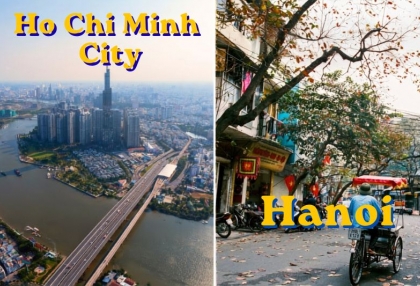
Torn between Hanoi and Ho Chi Minh City? Compare atmosphere, culture, food, weather, and regional gateways to choose the right anchor for your Vietnam trip.
 Hanoi
Hanoi
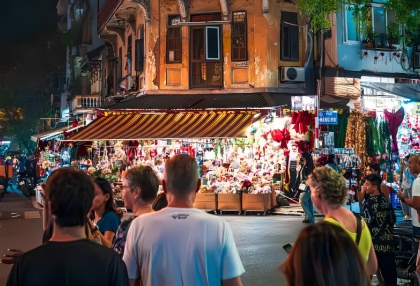
Wondering if Hanoi deserves a spot on your itinerary? An honest look at the culture, food, traffic, and ideal trip length to help you decide.
 Hanoi
Hanoi
Planning your first trip to Hanoi? This 2026 guide covers the Old Quarter, must-try street food, landmark rules, transport, and a 3-day itinerary.