



 Hanoi
Hanoi
Where to Stay in Hanoi: Complete Neighborhood and Accommodation Guide
Discover where to stay in Hanoi. Explore our detailed neighborhood guide covering the best areas, Old Quarter boutique hotels, luxury zones, and family options.
Last updated: July 24, 2026
Quick Summary: Hanoi or Ho Chi Minh City, which should you visit?
Hanoi is the traditional, nostalgic capital, ancient pagodas, French colonial architecture, and the gateway to Halong Bay, Sapa, and Ninh Binh. Ho Chi Minh City (Saigon) is the fast-paced, modern commercial hub, with soaring skyscrapers and easy access to the Mekong Delta and southern beaches. Many first-time visitors fly into one and out of the other rather than picking just one.
For anyone planning a Vietnam itinerary, one of the most enduring debates is Hanoi vs Ho Chi Minh City. These two cities anchor opposite ends of the country and act as the primary gateways for international arrivals. In a straight line they're about 1,137 km apart, though the actual road trip between them runs closer to 1,757 km, and the differences go far beyond geography. Each city has a distinct personality, architectural style, culinary identity, and rhythm of daily life, reflecting the diverse history of north versus south Vietnam.
The northern capital is the cultural, political, and historical soul of the nation, clinging proudly to tradition. The southern metropolis, still affectionately called Saigon, is a high-octane commercial powerhouse driven by cosmopolitan energy, modern skyscrapers, and an entrepreneurial spirit. Your choice depends heavily on your travel style.
The contrast in atmosphere between these two cities is immediate and striking.
Hanoi, the nostalgic capital: feels intimate, romantic, and rooted in the past. Shaded by ancient trees, filled with scenic lakes, and laced with narrow alleys, it invites you to slow down, explore on foot, and watch life unfold at a measured pace on the sidewalks.
Ho Chi Minh City, the cosmopolitan engine: a roaring, hyper-modern mega-city defined by rooftop bars, massive shopping complexes, and a sleek skyline dominated by landmarks like the Bitexco Financial Tower and Landmark 81. The energy is electric, youthful, and fast-paced, closer in feel to Bangkok or Kuala Lumpur.
The two cities tell completely different historical stories, which heavily shapes what you'll actually spend your days doing.
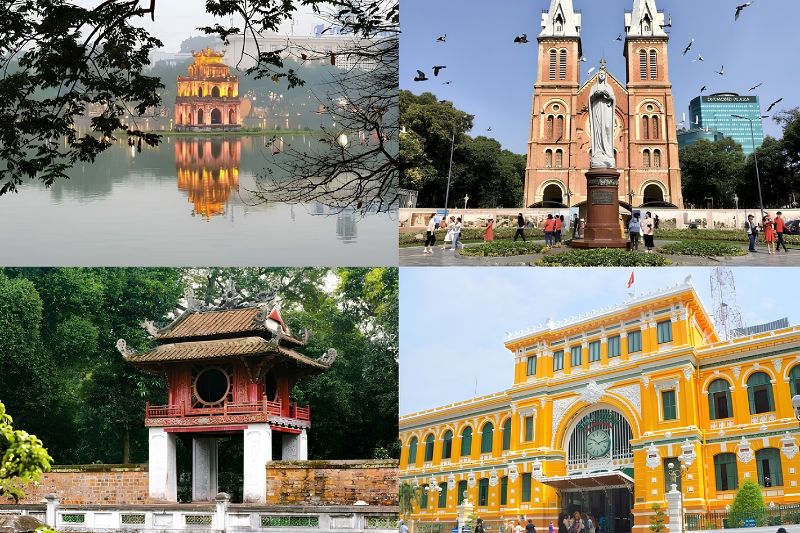
Hanoi's heritage: a treasure trove of ancient architecture reflecting over a millennium of imperial history and French colonial rule. The Old Quarter's 36 traditional guild streets, the 11th-century Temple of Literature, and ancient pagodas showcase rich spiritual foundations.
Saigon's modern history: centered on 20th-century conflict and rapid transformation. Major sites include the War Remnants Museum, the Independence Palace, and grand French colonial structures like the Notre-Dame Basilica and Central Post Office.
This is often the deciding factor for when to book, and it shouldn't be an afterthought.
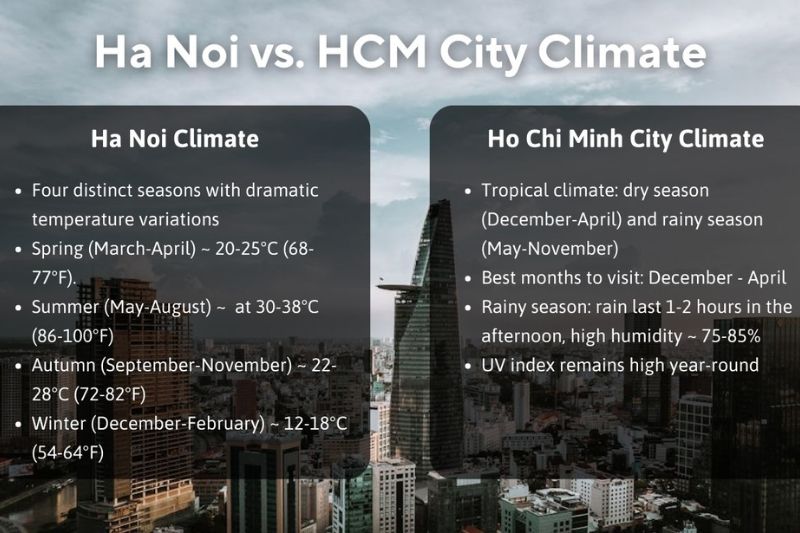
Hanoi experiences four distinct seasons, including a cool, damp winter from November to February when temperatures can drop significantly, pack layers if you're visiting during this window.
Ho Chi Minh City stays tropical year-round, split into two main periods: the dry season (December to April) and the wet season (May to November), with consistently warm temperatures throughout.
In practice, this means Hanoi requires more seasonal planning around your packing list, while Ho Chi Minh City is a more predictable, warm-weather destination any time of year, just expect afternoon downpours if you travel during the wet season.
The culinary divide between the two regions is a source of pride for locals and a major highlight for food lovers.
Northern cuisine: traditional, subtle, and delicate, relying on natural freshness with minimal sugar or heavy spice. Perfected in Hanoi's clear-broth pho and charcoal-grilled bun cha. Hanoi is also the birthplace of egg coffee (ca phe trung).
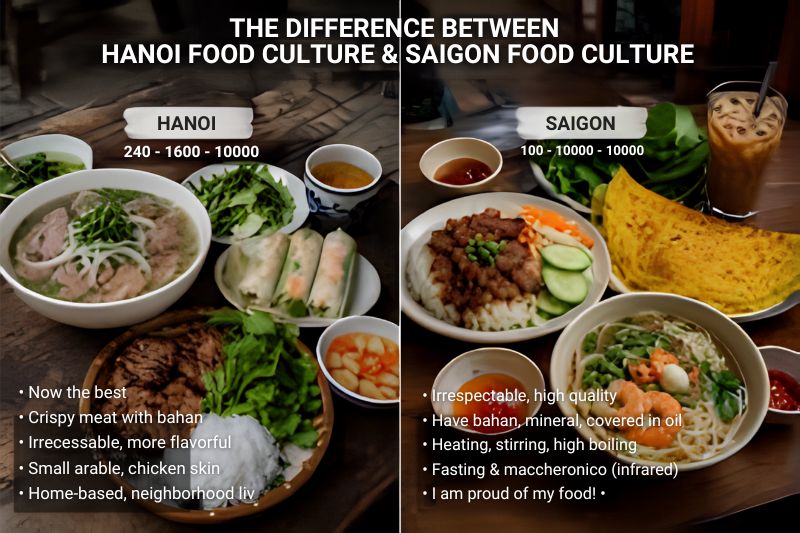
Southern cuisine: bold, sweet, and experimental, shaped by tropical ingredients and regional trade. Signature dishes include broken rice (com tam) with sweet grilled pork chops, alongside iced coffee with sweetened condensed milk enjoyed on low plastic stools. The food scene here also leans more international and fusion-forward, blending regional Vietnamese cuisines with global influences.
Your decision may ultimately come down to the regional attractions you want to explore beyond the city itself.
Northern gateway (Hanoi): the premier launchpad for upper Vietnam, the limestone karsts of Halong Bay, the terraced rice mountains of Sapa, and the river valleys of Ninh Binh. Plan your northern leg with our Hanoi to Halong Bay transport guide.
Southern gateway (Ho Chi Minh City): the ideal base for lower Vietnam, boat tours through the waterways and floating markets of the Mekong Delta, or coastal destinations like Mui Ne, Vung Tau, and Phu Quoc.
| Feature | Hanoi (the capital) | Ho Chi Minh City (Saigon) |
| Vibe | Traditional, nostalgic, relaxed pace | Fast-paced, modern, cosmopolitan |
| Architecture | Ancient pagodas, French colonial villas | Soaring skyscrapers, grand colonial monuments |
| Climate | Four distinct seasons, cool damp winter | Tropical year-round, dry vs. wet season |
| Signature food | Pho, bun cha, egg coffee | Com tam, bold fusion street food |
| Best regional gateway | Halong Bay, Ninh Binh, Sapa | Mekong Delta, southern beaches, Cu Chi Tunnels |
There's no wrong answer, many travelers fly into one and out of the other. If Halong Bay or Sapa are on your list, start in Hanoi, if the Mekong Delta or southern beaches are the priority, start in Ho Chi Minh City.
Yes, and most first-time visitors do. A common route flies into one city, travels overland or by domestic flight to see central Vietnam, and flies out of the other, avoiding a long backtrack.
Hanoi's autumn (September to November) offers the most comfortable walking weather. Ho Chi Minh City is walkable year-round but hot and humid, with the dry season (December to April) being the most comfortable.
Still finalizing your route? Explore our dedicated guides on the Hanoi Travel Guide 2026 or read Is Hanoi Worth Visiting? to fine-tune your itinerary, and browse more Hanoi travel guides as we add them.
Hanoi
Discover where to stay in Hanoi. Explore our detailed neighborhood guide covering the best areas, Old Quarter boutique hotels, luxury zones, and family options.
 Hanoi
Hanoi
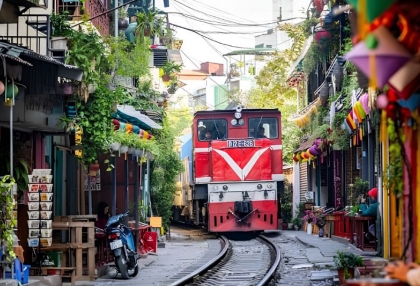
Discover the Hanoi Train Street schedule for weekdays and weekends. Learn how to visit legally, find the best trackside cafes, and stay safe.
 Hanoi
Hanoi
Only 48 hours in Hanoi? This 2-day itinerary covers the Old Quarter, Train Street, the Mausoleum, and the Temple of Literature without feeling rushed.
 Hanoi
Hanoi
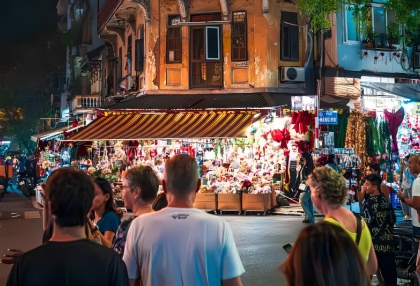
Wondering if Hanoi deserves a spot on your itinerary? An honest look at the culture, food, traffic, and ideal trip length to help you decide.
 Hanoi
Hanoi
Planning your first trip to Hanoi? This 2026 guide covers the Old Quarter, must-try street food, landmark rules, transport, and a 3-day itinerary.
