





 Cat Ba
Phà Cát Bà Mùa Bão Có Dừng Không Và Cách Xử Lý
Phà Cát Bà mùa bão có chạy không và ai quyết định cấm biển. Hướng dẫn cách đổi sang tàu cao tốc và chính sách xử lý tour từ Beka Travel.
Last updated: July 23, 2026
Quick Summary: A direct overnight sleeper or cabin bus runs from Sapa to Cat Ba Island without a transfer in Hanoi, taking about 10-12 hours and costing roughly $28-37 per person, ferry included. A slower DIY route via Hanoi is the budget alternative.
Sapa to Cat Ba is one of the longer overland hops in northern Vietnam — roughly 500km of mountain roads followed by a sea crossing. A few operators have simplified it into a single overnight ticket, though it pays to know exactly what "direct" means before you book.
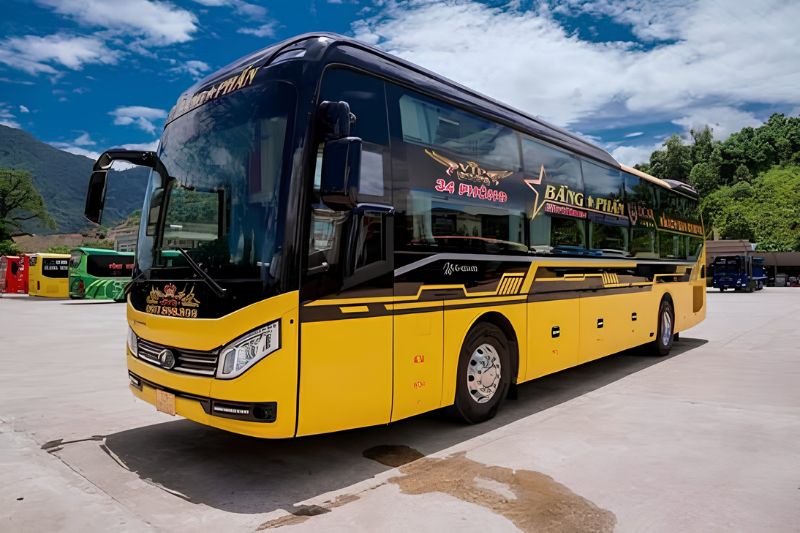
Yes, on paper — several operators sell a single overnight ticket that covers the whole 500km route, including the ferry crossing, without making you change buses in Hanoi. The bus does pass through the city on the highway, but you stay on board.
| Route | Total duration | Price | Best for |
|---|---|---|---|
| Direct overnight sleeper bus (no Hanoi transfer) | 10–12 hours | $28–37 per person | Travellers who want one ticket and are happy to sleep through the ride |
| DIY: night train or day bus to Hanoi, then the Cat Ba combo bus separately | 12–13 hours with a break in Hanoi | $15–20 + $12–15 | Travellers who want to break up the trip or prefer the train |
Third-party operator pricing, checked July 2026 — confirm current fares and seat availability when booking, as prices change without notice.
Buses typically depart Sapa in the late evening, around 21:00, and drive overnight along the highway toward the coast. Instead of stopping in Hanoi, the coach continues to Hai Phong, drives onto a ferry or speedboat for the sea crossing, and drops passengers at their hotel in Cat Ba town the following morning.

Take a night train from Lao Cai, near Sapa, into Hanoi — about 8 hours — or a daytime bus instead. From Hanoi, join the separate Cat Ba combo bus for the final leg. Beka Travel's own service on that leg departs the Old Quarter at 07:30, 10:30 and 14:00 — full details, including the ferry schedule, are in the Hanoi to Cat Ba transport guide.
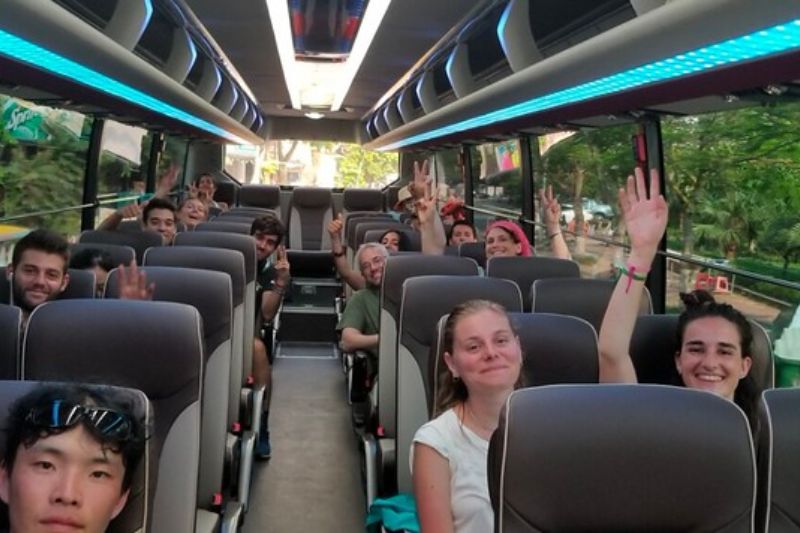
For most travellers, yes — one ticket, no daytime hours lost, and you wake up on the island. The DIY route via Hanoi suits people who want to break the trip with a night in the city, are prone to motion sickness on long overnight rides, or simply prefer the train for part of the way.
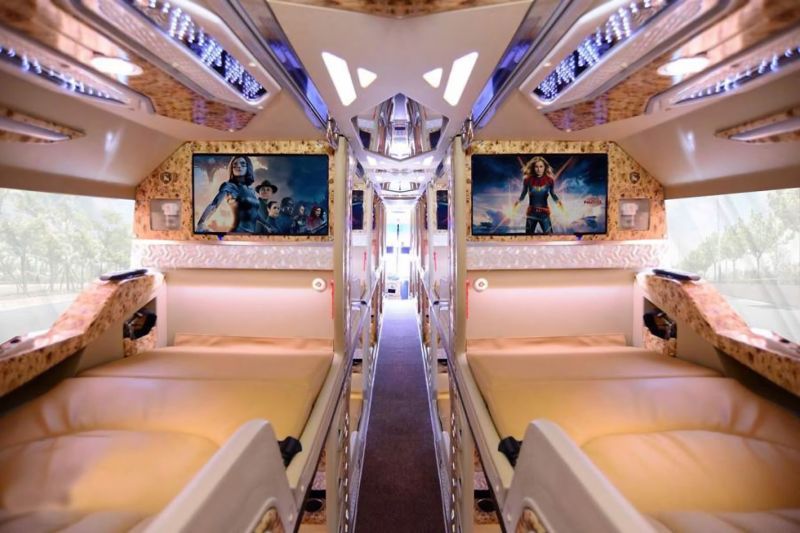
The Sapa to Cat Ba trip covers roughly 530km of road plus a 40km sea crossing, so it is one of the longer overland hops in northern Vietnam. Direct sleeper coaches usually leave Sapa between 9 and 10pm and reach Cat Ba town the following morning around 7 to 8am, a total of about 10 to 11 hours including the ferry.
The first stretch descends the mountain roads out of Sapa before joining the expressway network toward Hai Phong. When the coach reaches the coast it boards the ferry with passengers still on board, so you do not handle luggage or buy a separate ticket for the sea leg.
Modern sleeper buses on this route generally offer reclining berths, air conditioning, Wi-Fi, and USB charging, though mobile signal fades on the mountain sections. A light jacket, an eye mask, and motion-sickness tablets are worth packing, since the early hours wind through hilly terrain before the road flattens out.
Travellers who prefer not to spend the whole night on a coach sometimes split the journey instead. One option is an overnight train from Lao Cai, near Sapa, down to Hanoi, then a separate bus and ferry combo out to Cat Ba the next day.
That route trades a single ticket for more flexibility and a real bed on the train, but it adds a transfer in Hanoi and usually a longer total travel time. The direct sleeper remains the simplest choice if your priority is reaching the island in one move without changing vehicles, and it typically costs in the region of 25 to 37 US dollars per person.
Seats fill up fastest in the summer months and around Vietnamese public holidays, when demand for the coast peaks. Reserving a day or two ahead is usually fine outside those windows, but lock in holiday dates as early as you can.
Because you arrive on Cat Ba in the morning, an early tour booking lets you move almost straight from the bus onto a day cruise rather than losing hours waiting. Keep your passport and confirmation handy, as staff may check tickets at the ferry terminal.
No. Beka operates tours and transport within Cat Ba and Lan Ha Bay; the Sapa to Cat Ba journey is run by independent long-distance operators.
You avoid changing buses there. The coach still passes through on the highway, but you stay on board through the sea crossing to Cat Ba.
Around 500km by road, plus a short sea crossing — roughly 10 to 12 hours door to door on the direct sleeper.
The bus drives onto the ferry or speedboat for a crossing of about 20 to 30 minutes. If you are prone to seasickness, ask your operator whether luggage and passengers transfer smoothly between the bus and the boat.
No. Neither Sapa nor Cat Ba has an airport, so flying is not an option for this route — road and a sea crossing are the only way.
Beka's guests stay on Cat Ba for an average of just 1.2 nights, so it is worth locking in the onward tour date before you set off from Sapa rather than deciding on arrival. Browse the Lan Ha Bay day tour or the full Lan Ha Bay tour lineup for options once you land.
Cat Ba
Phà Cát Bà mùa bão có chạy không và ai quyết định cấm biển. Hướng dẫn cách đổi sang tàu cao tốc và chính sách xử lý tour từ Beka Travel.
 Cat Ba
Review du thuyền vịnh Lan Hạ ngủ đêm, bảng giá cập nhật 2026, lịch trình từng ngày và kinh nghiệm đặt phòng để không mất tiền oan.
 Cat Ba
Hướng dẫn thực tế về Đảo Khỉ Cát Bà: cách di chuyển, đàn khỉ bán hoang dã, leo núi ngắm cảnh và nên đi riêng hay ghép tour.
 Cat Ba
Bảng giá thuê tàu đi vịnh Lan Hạ 2026 cho nhóm đông, phân biệt tàu riêng và tour ghép, gợi ý lịch trình nửa ngày và cả ngày cùng lưu ý khi đặt cọc.
 Cat Ba
Kinh nghiệm đi Cát Bà cuối tuần 2026 gồm khung giờ phà vắng nhất, quy định hạn chế ô tô mùa hè và bốn cách di chuyển thay thế khi phà quá tải.
 Cat Ba
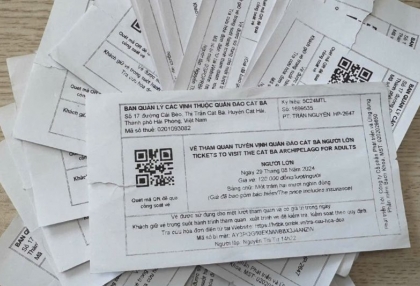
Cập nhật giá vé tham quan vịnh Lan Hạ mới nhất năm 2026. Tìm hiểu vé 120.000đ gồm những gì, phí ngủ đêm và quy định miễn giảm cho trẻ em.
 Cat Ba
Đảo Cát Bà có gì chơi năm 2026? Khám phá 15 trải nghiệm đáng tiền nhất như chèo kayak đêm phát sáng, và 3 điểm đến bạn nên cân nhắc bỏ qua.
 Cat Ba
Around 90 Cat Ba langurs are left in the wild, all on one island. What they are, why you probably won't see one, and how to visit responsibly.
 Cat Ba
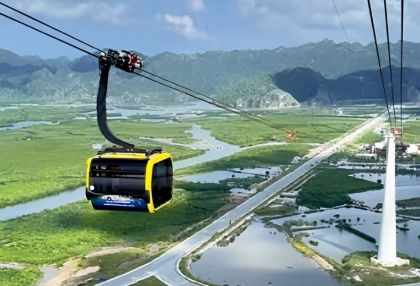
Tuyến cáp treo Cát Bà hiện nay chính là giải pháp hoàn hảo nhất để du khách thoát khỏi cảnh tắc phà mệt mỏi! Không chỉ giúp gia đình bạn tiết kiệm đáng kể thời gian chờ đợi, hệ thống hiện đại này còn mở ra một tầm nhìn tuyệt mỹ bao trọn vịnh biển. Bằng sự thấu hiểu và kinh nghiệm thực tế, Beka Travel sẽ bóc tách chi tiết từng khoản chi phí để bạn tự tin lên đường.
 Cat Ba
Kinh nghiệm đi chợ Cát Bà 2026. Cập nhật bảng giá hải sản, mẹo tránh cân điêu, ăn sáng ngon và cách đóng thùng xốp bảo quản mang về Hà Nội tươi rói.