
The journey from the bustling streets of Hanoi to the misty, mountainous landscapes of Sapa is an adventure in itself. With improved infrastructure, getting to the highlands has never been easier, yet the abundance of options can be overwhelming for first-time visitors, a topic our complete Sapa travel guide also covers.
Quick Summary: Hanoi to Sapa transport
Bus is the fastest and cheapest option at 5.5-6 hours and roughly 280,000-720,000 VND depending on cabin class. Private car takes about 5 hours and costs $130-230 depending on vehicle size, best for groups. The overnight train takes around 8-9 hours door-to-door but saves a night of accommodation.
Whether you prefer the comfort of a sleeper bus, the romance of the train, or the flexibility of a private car, choosing the right transport is key to starting your trip on the right note.
Choosing your transportation method

There are three primary ways to travel from Hanoi to Sapa: sleeper bus, train, or private car. Each offers a different experience, cost, and level of comfort. Sleeper buses are the most popular and frequent option, with many companies offering "limousine" or VIP sleeper buses that provide a relatively comfortable ride, often with reclining seats or full beds. They are direct, taking you from central Hanoi to Sapa town in about 5 to 6 hours.
The train is a classic choice, although it is important to note that the train stops in Lao Cai city, not Sapa town itself. From Lao Cai station, you will need to take a shuttle bus or a taxi for the final 30-40 kilometers, which winds up the mountain. While the train ride itself is charming and safer than road travel for some, the additional transfer in Lao Cai adds time and logistical effort to your journey.
For those who value privacy, speed, and flexibility, a private car or van is the best option. This allows you to set your own departure time, take breaks whenever you need, and enjoy the scenic drive without sharing space with others. It is the most expensive method, but for families or groups, the convenience of door-to-door service is often worth the extra cost, especially after a long flight to Hanoi.
Comparing the bus and train experience

Buses have become the preferred choice for most modern travelers due to the newly opened highways. The travel time is significantly shorter than in the past, and you arrive directly in the heart of Sapa. Modern sleeper buses often come with amenities like Wi-Fi, USB charging ports, and privacy curtains, making the overnight or day-long journey quite bearable. They run almost continuously throughout the day, providing maximum flexibility.
Trains provide a more nostalgic and spacious experience. If you opt for an overnight train, you can book a soft-sleeper cabin, which allows you to lie down and get a decent night's sleep. The movement of the train is often smoother than the winding bus ride, which is a major advantage for travelers who suffer from motion sickness. However, the requirement of the secondary transfer at Lao Cai can be tiring, especially if you arrive early in the morning.
Ultimately, the decision comes down to your personal preference for comfort versus convenience. If you want to maximize your time in Sapa and avoid the hassle of switching vehicles, the sleeper bus is the logical choice. If you prefer a more classic travel experience and don't mind an extra transfer, the train offers a unique, albeit longer, journey through the northern countryside.
Essential tips for booking your tickets
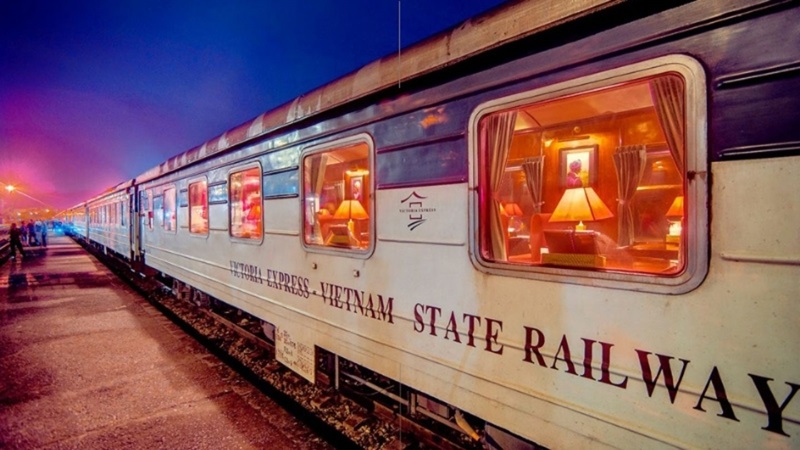
No matter which option you choose, it is highly recommended to book your tickets in advance. This is especially true during weekends, holidays, or the peak harvest season (September and October). Booking ahead guarantees you a seat, allows you to pick preferred locations (like the lower bunks on a bus), and helps you avoid last-minute availability issues at the bus station or train counter.
Use reputable online booking platforms or book directly through a trusted travel agency. Be wary of "too good to be true" prices found on unverified websites, as these can sometimes lead to poor-quality vehicles or last-minute cancellations. If you are staying at a hotel in Hanoi, the concierge is often able to book tickets for you, ensuring that you get a reliable service and that the bus will pick you up or drop you off at a convenient location.
Always double-check your pickup and drop-off points. Some buses depart from the My Dinh or Giap Bat stations, which are further from the Old Quarter, while others provide door-to-door service from central Hanoi. Know exactly where your vehicle leaves from to avoid missing your trip. Additionally, keep a digital or printed copy of your ticket handy, and have your passport ready for check-in at the train station or bus terminal.
Making the journey comfortable
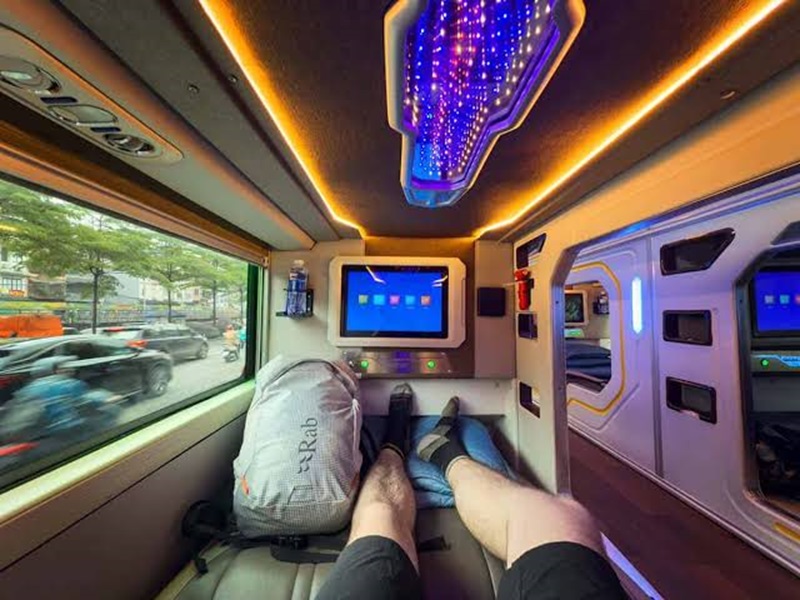
The road to Sapa involves steep mountain passes, so if you are prone to motion sickness, be prepared. Take medication before departure and try to book a seat in the middle of the bus or train to minimize the feeling of movement. Avoid reading or looking at screens during the winding sections of the drive, and keep your focus on the horizon if you start to feel unwell.
Dress in comfortable layers. The temperature can drop significantly as you ascend into the mountains, so even if it is warm in Hanoi, you will want a jacket or a sweater for when you arrive in Sapa. Pack a small carry-on bag with your essentials—chargers, a bottle of water, snacks, and any necessary toiletries—so you don't have to open your main luggage while on the bus or train.
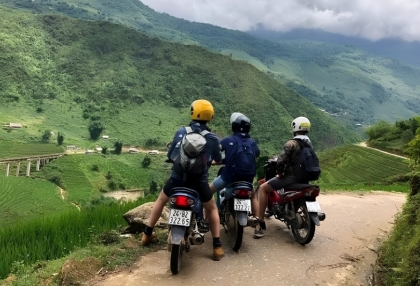
Finally, embrace the journey. The drive to Sapa takes you through some of Northern Vietnam's most beautiful landscapes, from lush green lowlands to dramatic mountain vistas. Instead of focusing only on the destination, take a moment to appreciate the changing scenery out the window. It is the perfect introduction to the wild and beautiful nature of the highlands that you are about to explore.
Frequently asked questions
What is the fastest way from Hanoi to Sapa?
A private car, at around 5 hours, is technically fastest, but a limousine bus at 5.5-6 hours is a close second and much cheaper, making it the most popular choice for most travelers.
Is the overnight train worth it?
It can be, especially if you want to save a night of hotel costs and enjoy a slower, scenic journey. Factor in the roughly one-hour transfer from Lao Cai station to Sapa town, which brings total travel time to around 8-9 hours door-to-door.
Should I book a private car instead?
For groups of 3-4 people, a private car's cost per person becomes competitive with buying multiple bus seats, plus you get door-to-door convenience and flexible stops along the way.
Let us take the stress out of your travel planning. Browse our Sapa tours or contact us to arrange your comfortable and reliable transport to Sapa, ensuring your highland journey begins with ease and peace of mind.