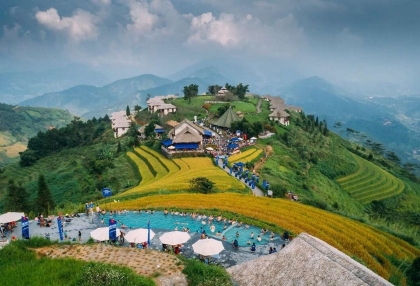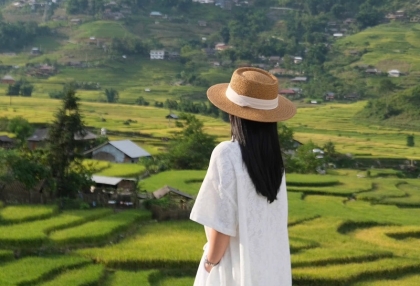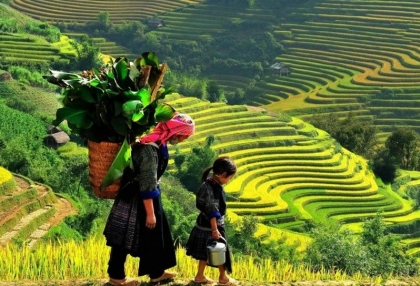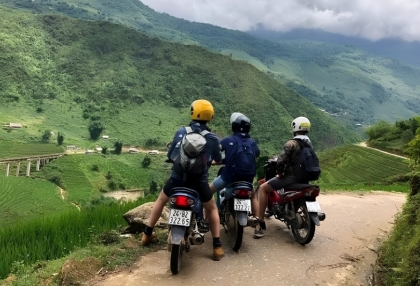

Sapa is widely known for its stunning rice terraces, but the most rewarding experiences often lie just beyond the well-trodden paths that most tourists follow, some of which are covered in our complete Sapa travel guide.
Quick Summary: Hidden trekking routes in Sapa
Most day treks cover 12-15km and take about 5-6 hours at an easy-to-moderate pace, passing through less-visited villages beyond Cat Cat and Ta Van. A local guide is a practical necessity on these unmarked trails (and a legal requirement for the Fansipan ascent), opening access to homestays, farmland paths, and conversations with locals that solo travelers would miss.
For the adventurous soul, stepping away from the main trails opens up a world of untouched landscapes, quiet villages, and genuine cultural encounters. Trekking off-the-beaten-track is the best way to see the real Sapa, away from the hustle of the main town and the busy sightseeing spots.
Why you should choose hidden routes
The primary benefit of choosing a lesser-known trekking route is the authenticity of the experience. On main trails, you may find yourself surrounded by other travelers, which can sometimes dilute the sense of discovery and quiet connection with nature. Hidden routes, however, offer the solitude needed to truly appreciate the grandeur of the Hoang Lien Son range and the intricate beauty of the terraced fields.
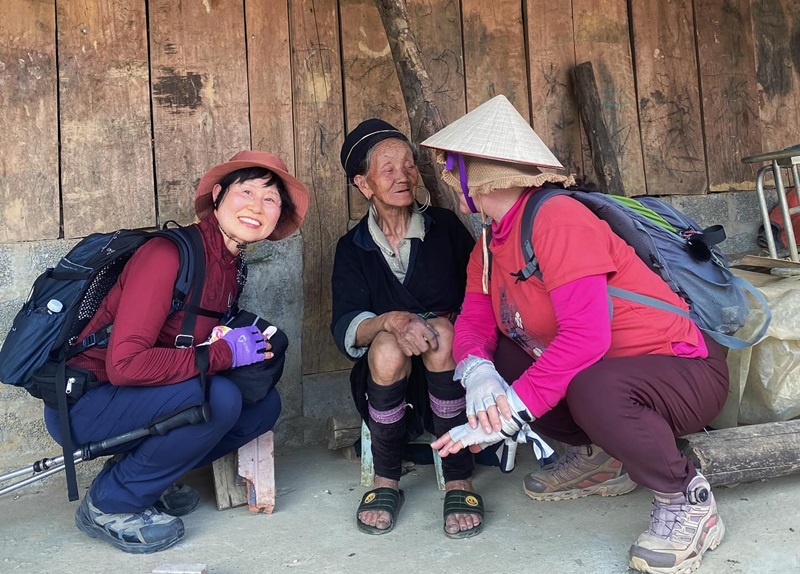
Moreover, these routes bring you into closer contact with local communities that are less accustomed to heavy tourist traffic. This often leads to more natural and unscripted interactions. You might find yourself sharing a cup of tea with a farmer in a remote hamlet or watching traditional weaving processes without the pressure of commercial sales, providing a deeper understanding of the local way of life.
Finally, there is the undeniable appeal of the landscape itself. Off-the-beaten-path trails often take you through high mountain ridges, pristine forests, and valleys that remain perfectly preserved. These areas offer vantage points and photographic opportunities that simply don't exist on the standard tourist maps, ensuring your memories of Sapa are uniquely your own.
Five incredible hidden trekking routes
- The Nam Cang Loop: This route takes you deep into the remote village of Nam Cang, home to the Red Dao people. It is a challenging but rewarding trek that winds through dense forests and along rushing mountain streams. It is perfect for those who want to escape the valley floor and experience the highland wilderness.
- The Seo My Ty Traverse: This is a spectacular, high-altitude route that is rarely visited by casual trekkers. It offers sweeping views of the entire Muong Hoa Valley and leads you to hidden lakes and isolated farming communities. This route is best suited for trekkers with good fitness levels who want a true mountain adventure.
- The Ban Ho to Thanh Phu trail: This path follows the river systems and connects several distinct ethnic villages. It is less about high mountain climbing and more about river valley exploration. You will pass through lush bamboo forests and have the opportunity to swim in local waterfalls along the way, making it a refreshing trek in warmer months.
- The Ta Phin Ridge Walk: While Ta Phin is somewhat known, the ridge paths above the village are rarely explored. These trails offer a unique perspective, allowing you to walk above the clouds and look down upon the expansive valley. It is an ideal route for photography enthusiasts looking for those perfect "above the mist" shots.
- The Ma Tra Highland Path: This trail winds through less-visited Hmong villages nestled in the hillsides. It is relatively short but steep, providing a great workout and access to traditional homes that still use ancient architectural styles. It is a fantastic option if you have limited time but still want to avoid the main tourist areas.
Safety and preparation for your trek
Trekking in remote Sapa requires more preparation than walking on marked tourist paths. The trails can be steep, muddy, and sometimes poorly marked. It is highly recommended to hire a local guide, even if you are an experienced trekker. They possess an intimate knowledge of the terrain, weather patterns, and local trail conditions that are invaluable for your safety.
Your gear should be up to the task. Wear sturdy, broken-in trekking boots with excellent grip, as the mountain paths can be slippery, especially during or after rain. Dress in breathable, moisture-wicking layers, and always carry a waterproof jacket. The weather in Sapa can change rapidly, and being prepared for rain and wind is essential for your comfort.
Furthermore, ensure your fitness level matches the route you have chosen. Some of these hidden trails involve significant elevation changes. Pack plenty of water and high-energy snacks, as you will not find shops or kiosks along these remote paths. Always share your planned route and expected return time with your host or hotel staff before you head out, and ensure your phone is fully charged.
Respecting the environment and local culture
When you venture into remote areas, your impact on the environment becomes even more critical. Follow the "Leave No Trace" principle strictly. Carry all your trash back with you to Sapa town, and avoid disturbing local flora or fauna. These areas are fragile ecosystems that have been carefully managed by the local ethnic groups for generations.
Respect local customs and privacy when passing through remote villages. These are residential areas, not public parks. Be mindful of where you walk, and ask for permission before taking photos of people or their homes. Remember that you are a guest in their territory, and your behavior influences how they view future travelers.
Supporting the local economy through responsible tourism is also vital. When you hire a local guide or stay in a homestay, the money goes directly to the people who maintain these lands. It incentivizes the community to protect their natural heritage and helps them thrive economically without having to rely on industries that might harm the environment. Every step you take on these hidden trails can be a positive contribution to the region.
Frequently asked questions
How long are these treks?
Most day treks cover 12-15km and take around 5-6 hours at an easy-to-moderate pace, though multi-day homestay treks let you cover more ground at a gentler rhythm.
Do I need a guide for off-the-beaten-path trekking?
Yes, practically speaking. Trails are often unmarked, cross private farmland, and change with the seasons, so a local guide keeps you safe and opens access to homestays and villages you would not find alone. A guide is also a legal requirement for the Fansipan summit trek.
Are multi-day treks with homestays available?
Yes, many trekkers combine a day of hiking with an overnight stay in a H'Mong or Dao family homestay before continuing to new villages the next day.
Ready to explore the untouched corners of Sapa? Join our professional, community-focused Sapa trekking tours and discover the hidden beauty of the highlands with a local guide who knows every secret path.